





More Than Just a Summer Treat
For many, the mango is an emotion—a nostalgic marker of summer holidays and childhood memories. Annual mango festivals, like the long-running International Mango Festival in Delhi, channel this collective affection into vibrant, large-scale events. These
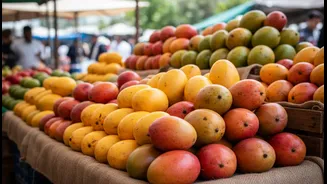
gatherings are far more than just food fairs; they are a cultural phenomenon. Organised by tourism and agricultural bodies, they serve as a modern evolution of traditional harvest celebrations, linking urban consumers with India's rich agricultural landscape. With hundreds of mango varieties on display, live music, and mango-eating competitions, these festivals create an immersive experience that celebrates not just the fruit, but the entire culture surrounding it.
An Education in Diversity
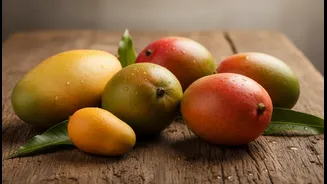
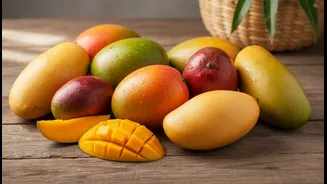
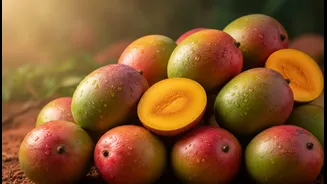
How many types of mango can you name? For most people, the list is short, dominated by popular varieties like Alphonso, Dasheri, and Langra. Mango festivals powerfully challenge this limited perspective. By showcasing hundreds of varieties—some events feature up to 500—they offer a dazzling education in crop diversity. Visitors can see, taste, and learn about rare and heirloom mangoes like Husnara, Ramkela, and even the purple Miyazaki, which they would likely never encounter in a regular market. This exposure is critical. It reminds consumers that the world of produce extends far beyond what is commercially mainstream, creating curiosity and an appreciation for the genetic heritage that farmers have cultivated over centuries.
Connecting Consumers with Growers
One of the most significant impacts of these festivals is the direct connection they forge between consumers and farmers. In a typical supply chain, multiple intermediaries separate the grower from the end buyer. Festivals eliminate these layers, allowing farmers from across the country—from Uttar Pradesh to Karnataka—to present their produce directly to thousands of visitors. This interaction is invaluable. Shoppers can ask questions, learn about different cultivation practices, and put a face to the food they eat. For farmers, it offers a platform to build a reputation, gain direct feedback, and retain a much larger share of the profits, boosting rural incomes and empowering their communities.
Strengthening the Habit of Seasonal Eating
In an age of year-round supermarket availability, it is easy to forget that food has a natural rhythm. Indian food traditions have always been deeply tied to the seasons, with specific foods consumed to align with the body's needs during different times of the year. Mango festivals are a powerful, tangible reminder of this wisdom. By putting a single fruit on a pedestal at the absolute peak of its season, they reinforce the simple truth that food is best when it is fresh, local, and consumed at the right time. The intense, joyful focus on one seasonal star product helps recalibrate consumer thinking, subtly encouraging them to seek out other seasonal produce long after the festival has ended.
A Ripple Effect for Local Food Culture
The success of mango festivals inspires a broader interest in local food systems. When consumers experience the superior taste and variety of seasonal produce firsthand, they are more likely to seek out farmers' markets and local vendors in their own communities. These events also have a direct economic impact by promoting agritourism and encouraging the sale of value-added products like jams, pickles, and juices, creating a bustling micro-economy. Ultimately, the festival is a gateway. It uses the universal appeal of the mango to draw people in, but the lesson they leave with is much bigger: that supporting local, seasonal agriculture is not just a responsible choice, but a delicious and joyful one, too.