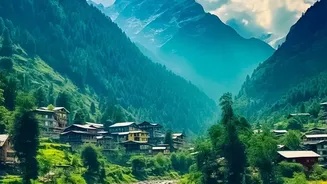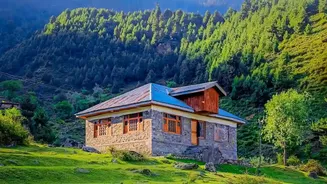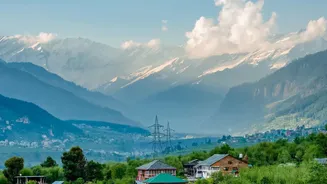





The Rise of the Mountain Office
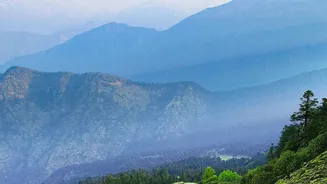
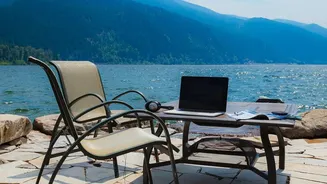
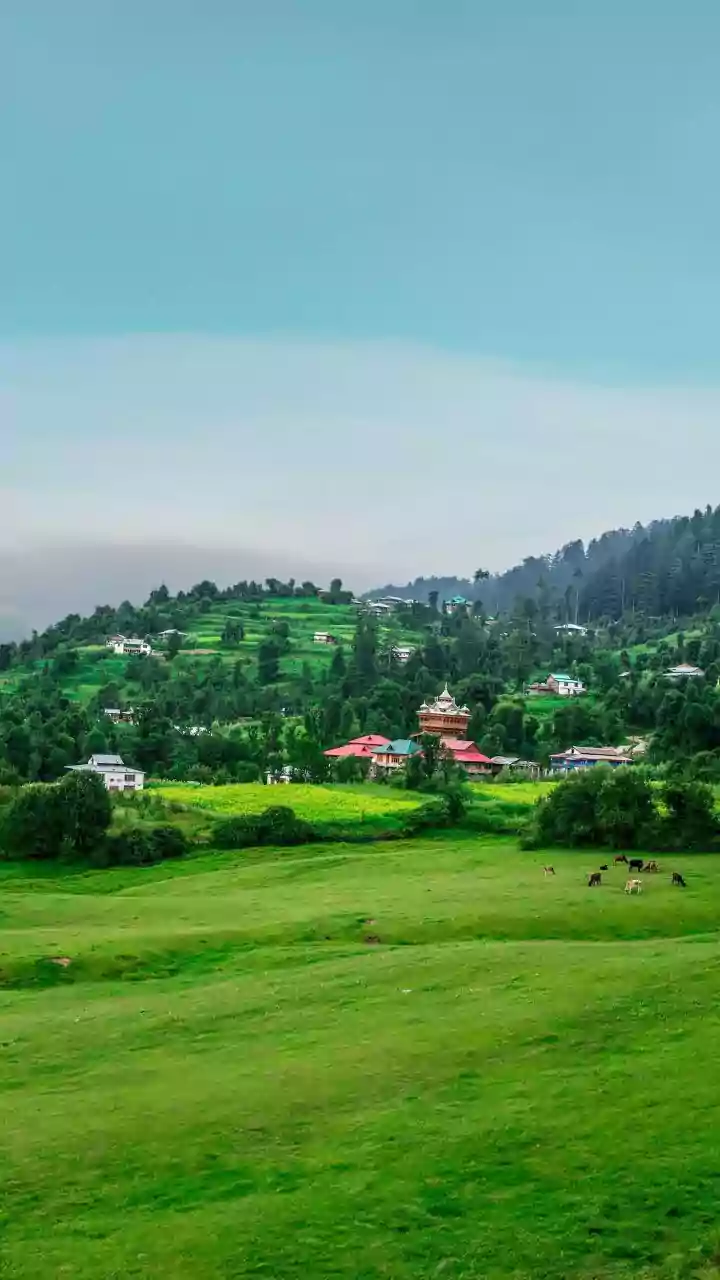
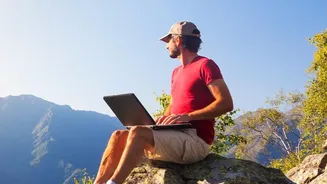
For a growing number of tech professionals, the ideal workspace is no longer a slick corporate campus but a quiet café with mountain views. Hill stations across Himachal Pradesh and Uttarakhand have seen a surge in long-stay visitors, but Bir has emerged
as a clear favourite. Initially known as India's paragliding capital, this small village in the Kangra district now boasts a reputation as a haven for digital nomads. They come for a week and, as the local saying goes, forget to leave. This isn't just about escaping the city; it's about plugging into a lifestyle that balances productivity with profound peace. The shift is so significant that local businesses, from guesthouses to cafes, have adapted their offerings to cater specifically to these long-stay remote workers.
The Non-Negotiable: Reliable Connectivity
The dream of working from the mountains is impossible without one crucial element: stable, high-speed internet. A few years ago, this would have been a deal-breaker in most Himalayan towns. However, Bir has cracked the code. The town's cafes, hostels, and co-living spaces have invested in reliable Wi-Fi, with many offering speeds that can comfortably handle video calls, cloud applications, and large file transfers. The proliferation of 4G and even 5G networks serves as a solid backup, ensuring that a Teams meeting never drops mid-flow. Cafes like Silver Linings and June 16 have become unofficial coworking hubs, known for good coffee and even better bandwidth.
Finding a Tribe: The Community Factor
While the idea of solitary work in a serene landscape is appealing, what truly sets Bir apart is its community. A month-long stay allows remote workers to move beyond being tourists and integrate into a vibrant network of like-minded individuals. Hostels and co-living spaces like Zostel and The Bunker Bir are designed to foster this connection, with common areas where coders, designers, and marketers can collaborate and socialise. This ready-made community combats the isolation that can sometimes accompany remote work, offering a support system and social life that a shorter trip could never provide. The vibe is creative, collaborative, and distinctly relaxed.
The Wellness Dividend and the Cost Equation
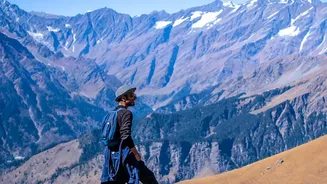
The benefits of a month in the mountains extend far beyond work. Swapping polluted city air for crisp, clean mountain air has tangible health benefits. The lifestyle encourages physical activity, with weekends often spent on treks to nearby waterfalls, exploring monasteries, or learning to paraglide. This focus on wellness is a major draw for tech workers looking to escape burnout. Financially, the decision is surprisingly practical. The cost of living for a month in Bir, including accommodation in a comfortable hostel or guesthouse, food, and weekend activities, is often significantly lower than the expense of living in a metro like Bangalore or Mumbai. Budget-friendly stays can be found for as little as ₹400-700 per night, with monthly deals making it even more affordable.
The Bir Blueprint: A Model for Modern Work
Bir is not an isolated case but rather the most prominent example of a nationwide trend. Other mountain towns like Dharamkot, Manali, and Jibhi in Himachal, and Rishikesh in Uttarakhand, are also developing into remote work hotspots. They are all following a similar blueprint: leveraging their natural beauty while building the necessary digital and social infrastructure to support a community of long-stay professionals. This movement reflects a fundamental shift in what tech workers want from their careers—not just a good salary, but a good life. It's a recognition that with the right setup, the office can be anywhere, and a view of the Dhauladhar range is a powerful productivity tool.