



Long before kombucha and kimchi became global wellness staples, Indian kitchens were quietly mastering the art of fermentation. Now, this ancient wisdom is making a comeback as science validates these regional dishes as powerful superfoods.
The Science Behind the Magic
Fermentation
is a natural process where microorganisms like bacteria and yeast break down sugars and starches in food. This transformation does more than just preserve ingredients; it unlocks a wealth of health benefits. The process creates probiotics—beneficial live bacteria that support a healthy gut microbiome, which is crucial for everything from digestion to immunity. Fermentation also makes nutrients easier for the body to absorb by breaking down complex compounds and deactivating 'antinutrients' that can block the absorption of essential minerals like iron and zinc. This ancient technique essentially pre-digests food, making it gentler on the stomach while boosting its nutritional profile.
Beyond the Well-Known Staples
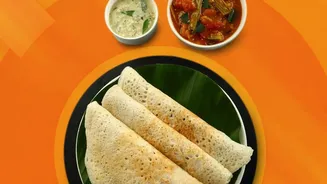
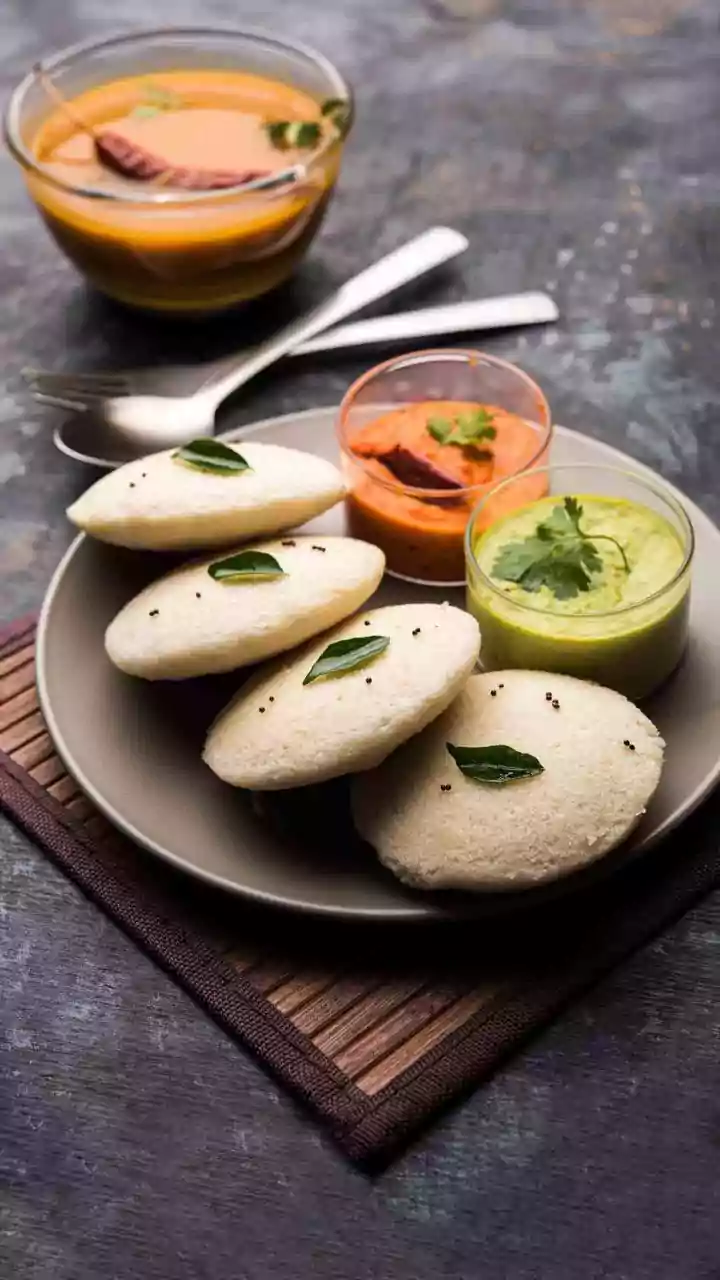
When people think of Indian fermented foods, idli, dosa, and dhokla often come to mind. The fermented batters of rice and lentils give these dishes their signature fluffy texture and make them easier to digest. But India's fermented landscape is incredibly diverse, with countless regional specialties that are now gaining recognition. These foods were born from practicality—a way to preserve food without refrigeration and get the most nutrition out of local ingredients. From the Himalayan belt to the southern coasts, these dishes reflect a deep, time-tested understanding of food science.
Gems from the Northeast
The northeastern states are home to a treasure trove of fermented foods. 'Gundruk', popular in Sikkim and the surrounding Himalayan region, is made from fermented and sun-dried leafy greens like mustard or radish leaves. Historically used to preserve vegetables for the winter, gundruk is rich in probiotics and has a unique tangy flavour, often enjoyed in soups. Another marvel is 'Hawaijar' from Manipur, a fermented soybean product with a pungent aroma and sticky texture, similar to Japanese natto. Packed with protein and known for its antioxidant and anti-inflammatory properties, it's a key ingredient in traditional chutneys and stews.
Comfort from the South and East
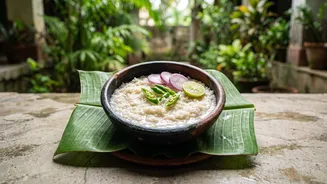
In the south, 'Pazhamkanji' or 'Pazhaya Soru' is a humble yet powerful breakfast dish from Kerala and Tamil Nadu. It’s made by soaking leftover cooked rice in water overnight. This simple fermentation process enriches the rice with B vitamins and iron, creates probiotics, and has a cooling effect on the body, making it ideal for hot climates. Traditionally consumed by farmers for sustained energy, this 'poor man's breakfast' is now being celebrated by nutritionists for its gut-friendly benefits. Similarly, 'Pakhala Bhata' in Odisha is a fermented rice dish that serves as a cooling summer staple.
From Ancient Kitchens to Modern Menus
The renewed interest in these traditional foods is driven by a growing awareness of gut health and a desire for natural, clean-label foods. What was once considered old-fashioned is now seen as a sophisticated, scientifically-backed wellness trend. Urban consumers and health enthusiasts are rediscovering dishes like 'Kanji', a North Indian fermented drink made from black carrots, for its antioxidant and probiotic qualities. This revival isn't just happening in homes; chefs are also incorporating these traditional ferments into modern restaurant menus, celebrating India's rich culinary heritage while offering diners a taste of authentic, nutrient-dense superfoods.