






The Foundation: Roasting is Key
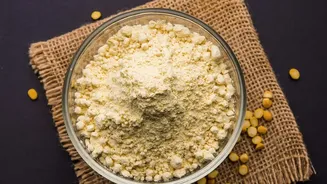
Before we even get to cooling, the foundation of any great besan ladoo is the roasting of the gram flour (besan). This is a step that requires patience. Roasting the besan in ghee on a low, steady flame is non-negotiable. This process, which can take
anywhere from 20 to 45 minutes, is what cooks out the raw taste of the flour and develops a deep, nutty aroma. Rushing this part by using high heat will burn the besan, making it bitter, while under-roasting will leave an unpleasant, pasty taste. You'll know it's ready when the mixture loosens, turns a consistent golden-brown colour, and your kitchen is filled with a wonderfully toasted fragrance. Once perfectly roasted, it's crucial to remove the mixture from the hot pan to a separate plate or bowl to stop the cooking process.
The Science of Cooling
This brings us to the most critical phase: cooling. Adding sugar to a piping hot besan mixture is a recipe for disaster. The intense heat will cause the powdered sugar to melt instantly, rather than just incorporating into the flour. This dissolved sugar turns the mixture into a loose, greasy slurry that is impossible to shape. As this syrupy mixture eventually cools, the sugar recrystallizes, resulting in ladoos that are hard, brittle, or undesirably crunchy instead of soft and tender. By allowing the roasted besan to cool down, you ensure the powdered sugar crystals remain intact, providing the correct structure and the signature, slightly grainy, melt-in-your-mouth texture.
How Cool is 'Cool Enough'?
The key is to let the mixture cool until it is just warm to the touch, not completely cold. A good rule of thumb is to wait about 10 to 15 minutes after transferring it from the pan. You should be able to comfortably handle a small amount in your hand without it feeling unpleasantly hot. If the mixture is too cold, the ghee will solidify, making the mixture dry and crumbly, which also makes it difficult to bind and shape the ladoos. The mixture needs to be at that perfect 'lukewarm' stage where the ghee is still soft and pliable, allowing the sugar to mix in beautifully and help bind everything together for shaping.
Bringing it all Together
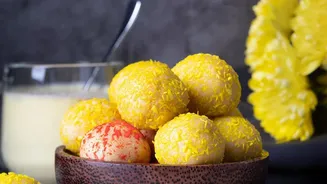
Once your besan mixture has reached the ideal warm temperature, it's time to add your powdered sugar and any flavourings like cardamom powder or chopped nuts. Use your hands to thoroughly combine everything. The warmth from your palms will help the ghee and sugar bind with the besan, forming a cohesive, pliable dough. If you find your mixture is still too dry and won't hold its shape, it may mean you were a little short on ghee. You can fix this by adding a tablespoon of warm, melted ghee to the mix. Conversely, if the mixture feels too greasy or soft, you can let it cool a little longer or even refrigerate it for 10-15 minutes to help the ghee firm up before you try shaping again.