




A New Space Age for India
A quiet revolution is reshaping India's relationship with space. Once the exclusive domain of the Indian Space Research Organisation (ISRO), the sector has been opened to private enterprise, sparking an unprecedented startup boom. Since 2020, reforms
have led to the birth of over 400 private space companies. The establishment of the Indian National Space Promotion and Authorisation Centre (IN-SPACe) as a single-window agency is central to this shift. IN-SPACe's role is to promote, authorise, and supervise the activities of private companies, from building rockets and satellites to providing space-based services. This has transformed the landscape, creating a vibrant ecosystem where private firms like Skyroot Aerospace, Agnikul Cosmos, and Pixxel collaborate with and complement the pioneering work of ISRO. The Indian space economy, valued at $8.4 billion in 2022, is projected to surge to $44 billion by 2033, creating a massive demand for a wide range of skilled professionals.
Technology: Beyond Aerospace Engineering
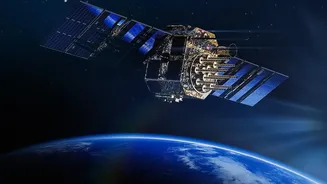
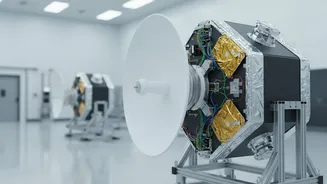
While aerospace and mechanical engineers remain crucial, the modern space industry is heavily reliant on a diverse set of tech skills. The most in-demand roles now include software developers, data scientists, and AI/ML engineers. Companies like Pixxel, which is building a constellation of hyperspectral imaging satellites, and SatSure, which uses satellite data for agricultural and climate analytics, are fundamentally data companies. They hire professionals who can build platforms to process vast amounts of satellite imagery and turn it into actionable insights. Furthermore, as spacecraft and ground systems become more complex, there is a growing need for specialists in cybersecurity, embedded systems, avionics, and robotics. Startups like Agnikul Cosmos are even using advanced manufacturing techniques like 3D printing to build entire rocket engines, creating roles for material scientists and manufacturing specialists.
The Business of the Cosmos
With hundreds of startups entering the fray, the business side of space has become as important as the technology. These new companies need professionals in finance, marketing, sales, and business development to thrive. Venture capital is flowing into the sector, with dedicated funds being established to support space-tech innovation. This creates opportunities for finance professionals who understand the unique challenges and long-term potential of space investments. Moreover, companies need to sell their services, whether it's launching a satellite for a client or providing data analytics. This requires skilled marketing teams to communicate complex technologies and business development managers to forge partnerships. As the industry grows, so does the need for project managers who can oversee complex missions from conception to launch and beyond, coordinating across engineering, legal, and finance teams.
Research, Law, and Policy
The expansion of the space sector has opened up new avenues in research and academia beyond traditional government roles. Universities and private research institutions are increasingly involved in space-related projects. However, one of the most significant emerging fields is space law and policy. With hundreds of private satellites being launched, questions of orbital debris, spectrum allocation, and international treaties become paramount. This has created a demand for lawyers and policy analysts who can navigate the complex regulatory environment, both domestically and internationally. IN-SPACe itself recruits from the private sector for roles in its legal and program management directorates, highlighting the need for professionals who can bridge the gap between technology and regulation. These roles are vital for ensuring the sustainable and safe growth of India's space activities.
The Creative Frontier
Making space exciting and accessible to the public requires a different kind of talent. As the space sector becomes more commercial, the need for strong communication and creative professionals is growing. Companies are hiring science communicators, digital marketing specialists, and video editors to tell their stories and build their brands. Startups like Dhruva Space explicitly mention looking for communicators to join their teams. Even ISRO hires for roles in media and library services, including candidates with degrees in multimedia and animation. As space tourism and downstream applications become more mainstream, there will be an even greater need for designers to create user interfaces for space applications and for marketing professionals to craft compelling narratives about humanity's future in the cosmos.