






Sharper Forecasts and Earlier Warnings
One of the most significant impacts of AI is in weather and climate modeling. Traditional models rely on immense computing power to solve complex physics equations, which is both time-consuming and expensive. AI models, particularly those using machine
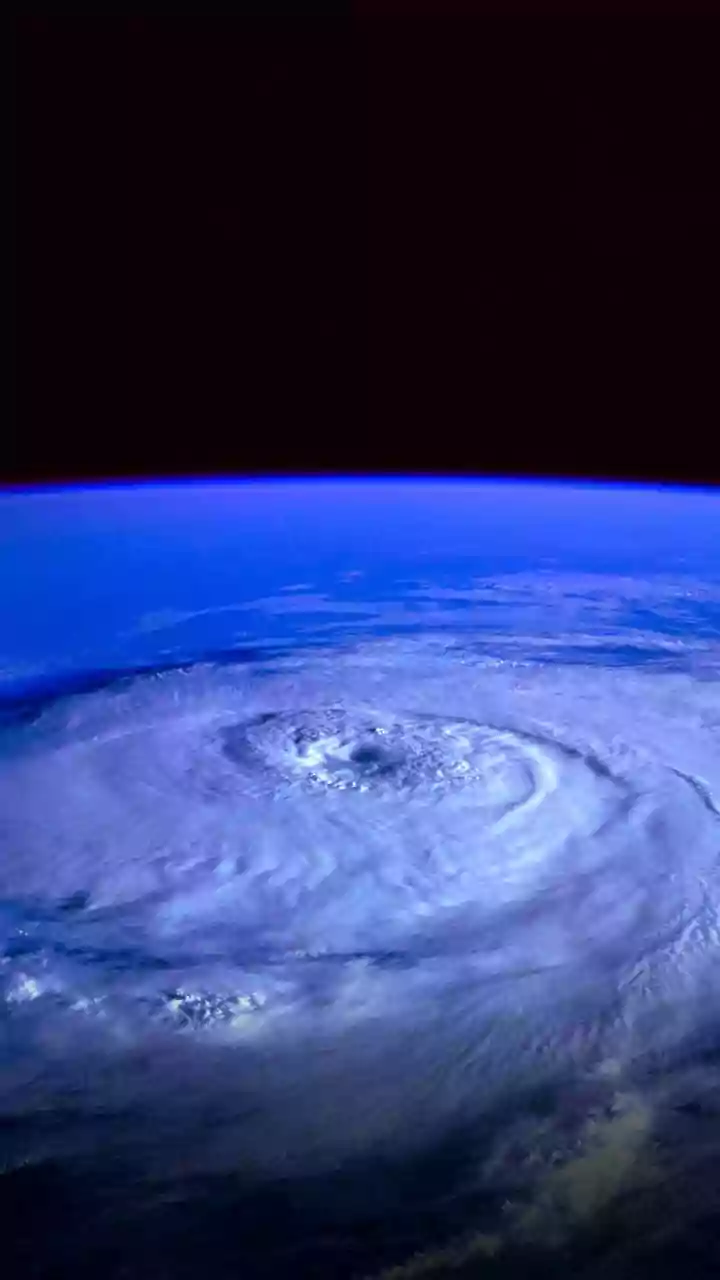
learning, take a different approach. They are trained on decades of historical weather data, learning to recognize intricate patterns in atmospheric pressure, temperature, and wind. This allows them to generate forecasts much faster and at a fraction of the computational cost. For instance, some AI models can now outperform traditional methods for medium-range forecasts. This speed allows for running hundreds of different scenarios, or ensembles, providing a better sense of a forecast's certainty and improving warning times for extreme events like hurricanes, floods, and droughts.
Predicting Extreme Weather with Precision
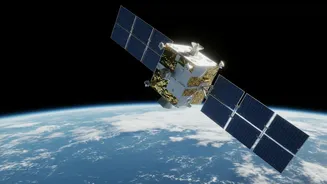
Beyond general forecasting, AI is being specifically tailored to predict extreme weather, a growing threat in a warming world. By processing real-time data from satellites, radar, and ground sensors, AI-driven systems can deliver high-resolution, localized predictions within minutes. This capability is critical for proactive governance, enabling early warnings, optimizing evacuation plans, and helping communities prepare for events like flash floods or intense storms. In the United States, the National Oceanic and Atmospheric Administration (NOAA) uses AI to improve hurricane track and intensity predictions. In parts of Africa, AI-enhanced rainfall forecasts are helping communities prepare for severe weather, showcasing the technology's potential in regions most vulnerable to climate change.
A Digital Watchdog for the Planet
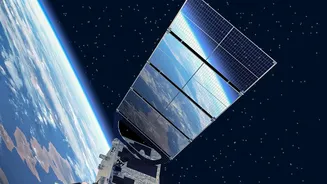
AI's ability to analyze vast quantities of visual data has made it an invaluable tool for monitoring planetary health. Algorithms can now sift through millions of satellite images to track environmental changes with unprecedented speed and accuracy. This is a game-changer for monitoring deforestation. AI systems can identify the tell-tale signs of new logging roads or clearings in near real-time, alerting conservation groups and local authorities to threats. Similarly, AI is being used to automate the painstaking process of measuring glacier retreat. One recent study used AI to analyze millions of satellite images of glaciers in Svalbard, revealing that they are shrinking faster than ever. This ability to monitor deforestation, ice melt, and land-use changes provides crucial data for holding polluters accountable and shaping conservation policy.
Accelerating the Discovery of Green Solutions
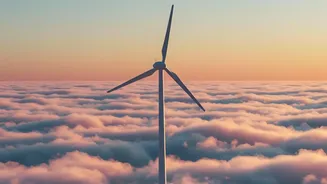
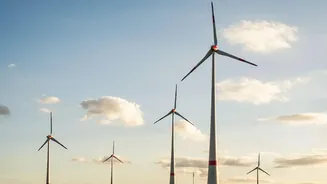
The fight against climate change isn't just about tracking damage; it's also about innovating solutions. Here, too, AI is playing a vital role by accelerating scientific discovery. Researchers are using AI to find and design new materials for green technologies. This includes identifying more sustainable and cost-effective components for next-generation batteries, developing more efficient materials to capture carbon dioxide, and improving the performance of solar cells. Beyond materials, AI is also being deployed to make our existing systems more efficient. It can help optimize complex electrical grids, better integrating renewable energy sources like wind and solar by predicting supply and demand. Some companies are even using AI to autonomously manage HVAC systems in large commercial buildings, reducing energy consumption and related emissions significantly.