





From Annual Leave to ‘Work from Anywhere’
Not long ago, the highlight of the corporate calendar was the annual sanctioned leave, a precious block of 10 to 15 days spent trying to decompress from a year of stress. This often resulted in rushed trips, with more time spent travelling between destinations
than actually enjoying them. The goal was to cover as much ground as possible, returning with a camera full of pictures but often feeling more exhausted than refreshed. The widespread adoption of remote and hybrid work models has fundamentally disrupted this pattern. No longer chained to a physical office, a growing number of Indian professionals have the freedom to decide where they work, and many are choosing to do it from a location with a better view.
The Rise of the ‘Workation’
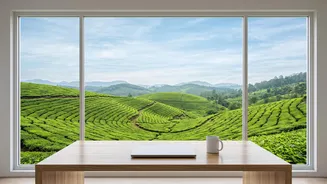
Enter the 'workation'—a portmanteau of work and vacation that has become one of the defining travel trends of the post-pandemic era. It’s a simple but powerful concept: travel to a destination for an extended period, work during your regular office hours, and use your evenings and weekends to explore, relax, and immerse yourself in the local culture. According to a report by Thrillophilia and FICCI, about a third of travellers now prefer working from a natural setting. This has spurred a movement towards destinations that offer a blend of productivity and peace. Hill stations like Manali and Dharamshala, and coastal towns in Goa and Gokarna, have become popular hubs, attracting professionals with reliable internet and a vibrant cafe culture. The key non-negotiable? A strong Wi-Fi connection, which has become the new luxury for the remote worker.
Blending Business with Leisure
Another trend gaining significant traction is 'bleisure,' where professionals extend their business trips for a few days of personal leisure. Instead of flying back immediately after a conference or client meeting, employees are taking the opportunity to explore the city or a nearby destination on their own time and expense. Companies are increasingly recognizing this trend, with some large Indian firms like TCS, Infosys, and Wipro even codifying bleisure policies. A 2026 report from Thomas Cook-SOTC India noted that 68% of Indian corporates have seen employees extend work trips for leisure, highlighting a clear shift towards integrating personal travel with professional obligations. This practical approach allows for more frequent, if shorter, leisure opportunities without eating into dedicated vacation time.
Slow Travel Over Sightseeing
This newfound flexibility is also fuelling a broader move towards 'slow travel'. Instead of a whirlwind tour of a state, travellers are choosing to stay in one place for longer, prioritising rest and meaningful experiences over a packed itinerary. A Booking.com report found that 71% of Indian travellers are extending their trips to properly enjoy a destination. This shift is also changing accommodation preferences. Travellers are increasingly opting for homestays and apartments over traditional hotels, seeking more authentic local experiences and better value for longer stays. The focus is no longer on simply seeing the sights, but on living in a place, even if just for a few weeks.
New Destinations and New Demands
The demand from remote workers is reshaping the hospitality industry. Homestays and resorts are adapting by offering 'workation packages' complete with high-speed internet, ergonomic chairs, and quiet workspaces. This trend is also putting new and previously overlooked destinations on the map. In 2025, Yakten in Sikkim was declared India's first 'digital nomad village,' specifically designed with facilities for remote workers. The improved internet connectivity in even remote parts of the country has been a major enabler, with some digital nomads reporting that a basic mobile 5G plan works reliably in most locations. This is allowing travellers to explore beyond the usual tourist circuits, bringing economic benefits to smaller towns and rural areas.