





Setting Up for Success
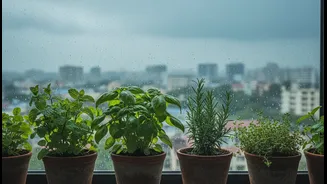
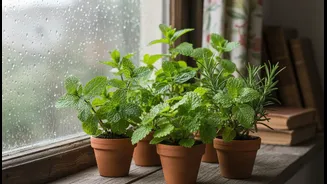
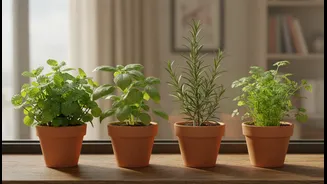
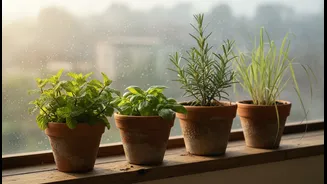
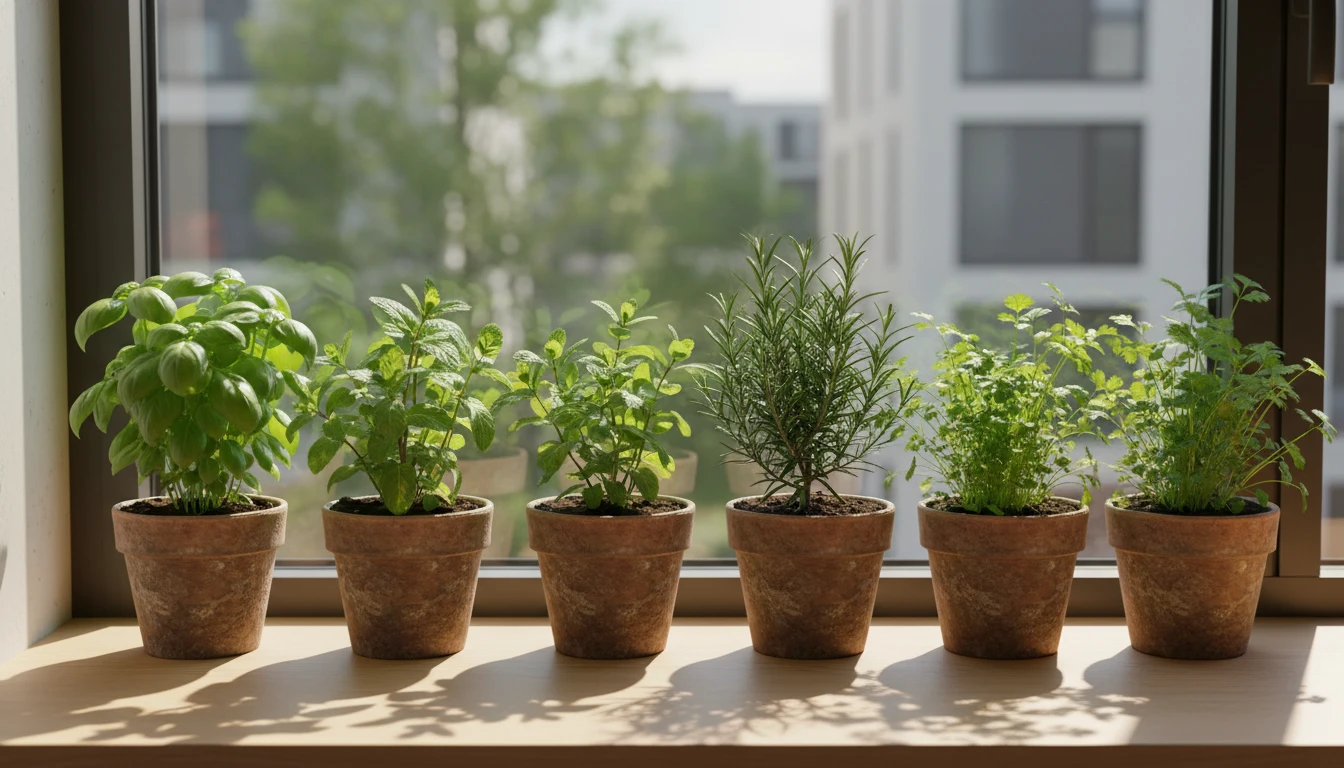
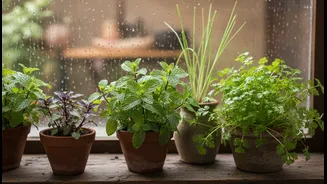
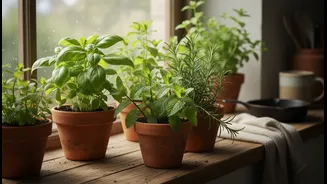
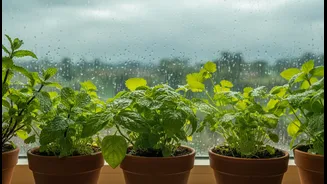
The key challenge during the monsoon is managing excess water and low light. Start with the right foundation. Choose terracotta pots that are at least 6-8 inches deep, as they allow soil to breathe and excess moisture to evaporate. Ensure every pot has
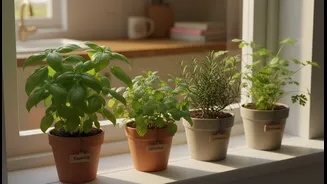
drainage holes at the bottom. For soil, create a light, well-draining mix. A fantastic combination for the humid Indian monsoon is one part garden soil, one part compost for nutrients, and one part coarse sand or cocopeat to prevent waterlogging. This mixture ensures roots get oxygen and don’t rot in the damp conditions. Place your pots on a windowsill that gets the maximum possible light, ideally a south or west-facing one, for the 4-6 hours of sunlight herbs crave.
1. Mint (Pudina)
Mint is famously resilient and loves moisture, which makes the humid monsoon weather ideal for it. It’s one of the easiest herbs to start with. You can simply take a healthy stem from a bunch bought at the market, place it in a glass of water, and watch roots appear in about a week. Once rooted, plant it in your prepared potting mix. While it loves moisture, its roots can rot if left in standing water, so the well-draining soil is crucial. Keep the soil consistently moist but not soggy. Place it where it receives a few hours of gentle morning sun. Pruning mint regularly encourages it to become bushier, giving you a continuous supply for chutneys, raitas, and refreshing drinks all season long.
2. Holy Basil (Tulsi)
A staple in most Indian households, Tulsi is revered for its medicinal properties that are especially beneficial during the monsoon to help fend off colds and coughs. This herb is hardy and thrives in the warmth of the Indian climate. You can grow it from seeds or a cutting. For seeds, sprinkle them on the soil surface and cover lightly, as they need some light to germinate. If using a cutting, let it root in water for about two weeks before planting. The biggest mistake with Tulsi care is overwatering. Wait until the top inch of the soil feels dry to the touch before watering again. Pinching off the flowering buds will direct the plant's energy into producing more lush, aromatic leaves.
3. Coriander (Dhania)
Fresh dhania is non-negotiable in Indian kitchens, but it can be tricky to grow in the monsoon's heat and humidity. The secret lies in a few key steps. Use whole coriander seeds from your spice box. Gently split the seeds into two halves and soak them overnight to improve germination rates. Coriander does not like being transplanted, so sow the seeds directly into a wide, shallow pot. It prefers cooler conditions and partial sun, so an east-facing windowsill that avoids the harsh afternoon sun is perfect. Keep the soil consistently moist. In just a few weeks, you'll see delicate seedlings sprout. You can start snipping the leaves as soon as the plant is a few inches tall, ensuring you have a fresh garnish for your dals and curries.
4. Lemongrass
The refreshing, citrusy aroma of lemongrass is a wonderful addition to monsoon teas and soups. This herb is relatively easy to grow and loves the sun. You can propagate it from store-bought stalks. Just place a few stalks in a glass of water, and roots should appear in a couple of weeks. Once they do, transplant them into a deep pot with your well-draining soil mix. Lemongrass is a sun-worshipper and needs at least six hours of direct sunlight a day to develop its flavorful oils, so a west-facing window is ideal. As an added bonus, the grassy foliage acts as a natural air freshener and is known to repel mosquitoes, a common problem during the rainy season.
Monsoon Care and Troubleshooting
High humidity can invite fungal infections and pests. To prevent this, ensure good air circulation around your plants. Avoid clustering them too tightly. Always water the soil at the base of the plant, not the leaves, to prevent fungal diseases. Check the underside of leaves for common pests like aphids or spider mites. If you spot any, a simple spray of diluted neem oil solution can work wonders. Yellowing leaves can be a sign of overwatering, a common issue in the monsoon. Always check that the top layer of soil is dry before you water again.