





The All-Important Fibre Factor
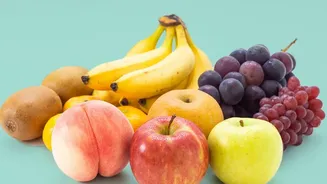
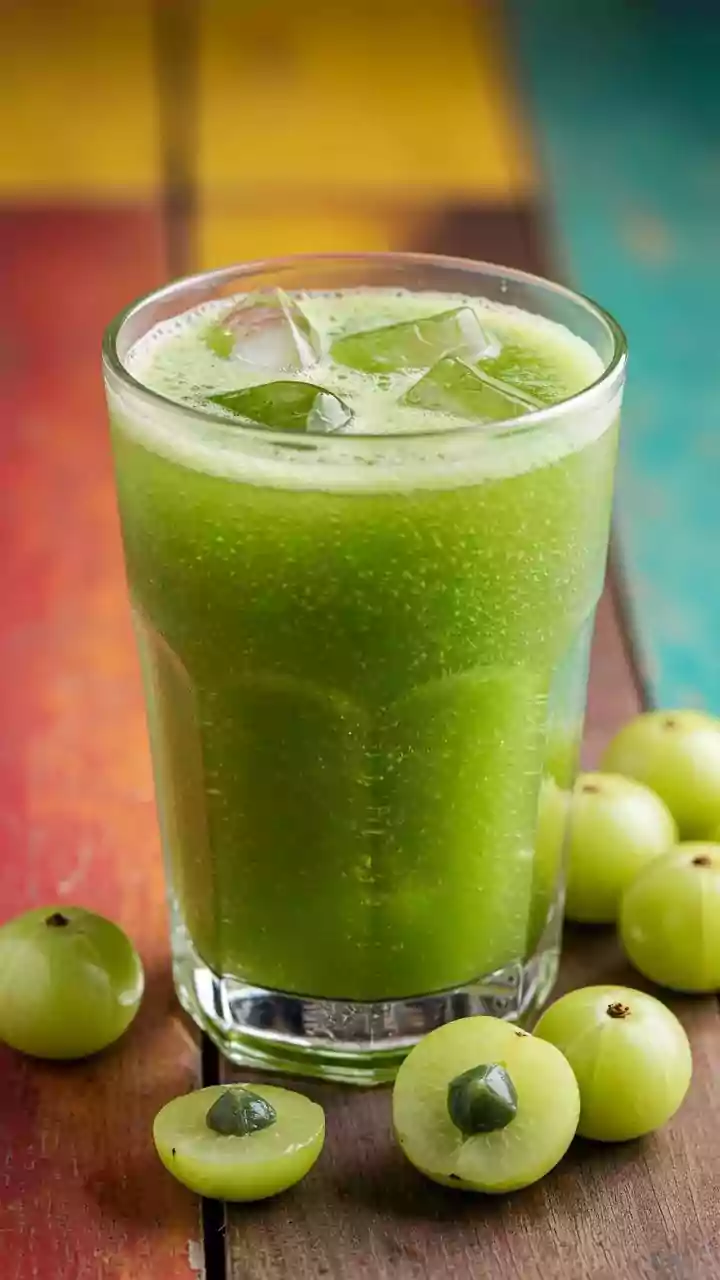
The most significant difference between whole fruit and fruit juice lies in their fibre content. Whole fruits are packed with dietary fibre, which is found in the skin, pulp, and flesh. This fibre is crucial for digestive health, helping to prevent constipation
and promote regular bowel movements. The juicing process, however, separates the liquid from the fibre-rich pulp and skin, meaning most of this beneficial component is lost. Soluble fibre, found in fruits like apples and oranges, forms a gel-like substance in the gut that slows digestion, helps manage cholesterol, and regulates blood sugar levels. Insoluble fibre adds bulk to stool, aiding its passage through your digestive system. By drinking juice, you miss out on these critical benefits that contribute to feeling full and support overall gut health.
A Tale of Two Sugars
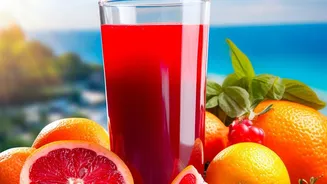
While both options contain natural fruit sugars, the way your body processes them is vastly different. In whole fruit, the sugars are 'intrinsic', meaning they are bound within the fruit's cellular structure along with fibre. This structure requires your body to work harder to break it down, leading to a slower, more gradual release of sugar into the bloodstream. Conversely, juicing breaks down these cell walls, transforming the sugars into 'free sugars', similar to those added to processed foods. These free sugars are absorbed very quickly, which can cause a rapid spike in blood sugar and insulin levels. This is why studies have consistently linked higher consumption of whole fruit with a lower risk of type 2 diabetes, while fruit juice consumption is associated with a higher risk.
Satiety and Calorie Consumption
Have you ever noticed that you can drink a glass of juice much faster than you can eat the three or four oranges it took to make it? The physical act of chewing and the bulk from fibre and water in whole fruits play a major role in signalling fullness, or satiety, to your brain. Studies have shown that consuming whole apples leads to greater feelings of fullness and a lower overall calorie intake compared to drinking apple juice. Because juice lacks fibre and can be consumed quickly, it's less filling and makes it easier to consume a higher number of calories and sugar without feeling satisfied. This is often referred to as 'liquid calories', which don't trigger the same satiety responses as solid foods.
What About Vitamins and Nutrients?
Both 100% fruit juice and whole fruits can be good sources of vitamins, minerals, and antioxidants. In some cases, the nutrients in juice can be highly bioavailable, meaning they are easily absorbed by the body. However, the juicing process can also lead to the loss of certain nutrients. Many beneficial plant compounds, called polyphenols and antioxidants, are bound to the fibre in the pulp and skin, which are discarded during juicing. Some vitamins, like vitamin C, are also sensitive to light and air, and can degrade over time after the juice is made. To get the most nutritional value, it's best to drink fresh juice immediately after it's prepared.
Making the Right Choice for You
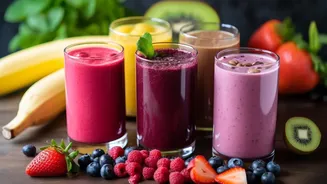
For daily fruit intake, whole fruit is the clear winner due to its superior fibre content, slower sugar release, and greater impact on fullness. Eating a variety of whole fruits ensures you get a wide range of nutrients and the full benefits of their natural structure. However, this doesn't mean juice has no place in a healthy diet. A small glass of 100% fruit juice can be a convenient way to boost your vitamin intake, especially if you find it difficult to eat enough whole fruits. The key is moderation. Think of juice as a supplement or an occasional treat rather than a direct replacement for whole fruit. If you do opt for juice, ensure it is 100% fruit juice without added sugars. Blending a smoothie is another alternative that retains the fibre, offering a middle ground between juicing and eating the fruit whole.