







Jamun (Java Plum): The Antioxidant Powerhouse
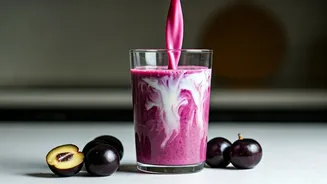
Imagine a fruit with the color of a deep twilight sky. That's Jamun, also known as Java plum. This small, olive-sized fruit has a unique sweet, sour, and slightly astringent flavor that makes your taste buds wake up. It’s a beloved treat during the rainy
season in India. Jamun is loaded with anthocyanins, the powerful antioxidants responsible for its dark purple-black hue, which are linked to heart health and anti-inflammatory benefits. It also has a low glycemic index, meaning it doesn't cause a sharp spike in blood sugar, making it a topic of interest in managing blood glucose levels. For a traditional snack, try them with a tiny pinch of black salt to balance the flavors. Look for fresh or frozen Jamun in Indian or South Asian grocery stores during the summer months.
Lychee: The Sweet, Floral Treat
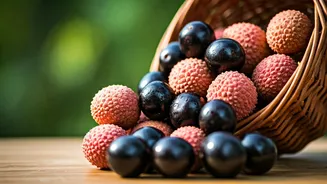
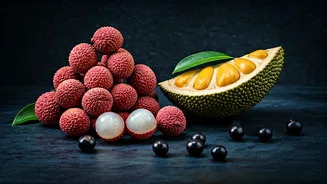
While lychees have become more familiar in the U.S., they are a classic monsoon-season fruit in Asia. Peeling back the bumpy, pinkish-red skin reveals a translucent, pearly white flesh that’s juicy, fragrant, and bursting with a floral sweetness unlike any other fruit. It’s like a solid drop of rose-scented nectar. Lychees are an excellent source of Vitamin C, a crucial antioxidant for immune support and skin health, and also provide a good amount of potassium, which is important for maintaining healthy blood pressure. They are best eaten fresh and chilled. Simply peel and pop them in your mouth, being mindful of the single seed in the center. You can find them in most Asian markets and even some larger supermarkets when in season, typically from May to July.
Pomegranate: The Jewel-Toned Superfruit
Pomegranates are a global favorite, and in many regions, their harvest aligns with the end of the monsoon season. Breaking one open feels like uncovering a treasure chest of ruby-like seeds, called arils. Each aril is a tiny explosion of sweet and tart juice. Pomegranates are celebrated for their potent antioxidants, particularly punicalagins and anthocyanins, which contribute to their powerful anti-inflammatory properties. They are fantastic for heart health and packed with fiber. While getting the arils out can be a project, the payoff is worth it. Sprinkle them over salads, yogurt, or oatmeal for a burst of color and flavor, or simply enjoy them by the spoonful. Pomegranates are widely available in U.S. grocery stores, especially in the fall.
Jackfruit: The Versatile Gentle Giant
Famous in the U.S. mostly as a plant-based meat substitute when unripe, ripe jackfruit is a completely different experience—and a true star of the monsoon season. The world's largest tree-borne fruit, a ripe jackfruit contains sweet, yellow pods with a flavor often described as a blend of pineapple, mango, and banana. Its texture is fibrous yet tender. Ripe jackfruit is a good source of dietary fiber, which aids digestion, as well as Vitamin C and potassium. The sweet pods are typically eaten fresh as a dessert or snack. While finding a whole, fresh ripe jackfruit can be a challenge, many Asian markets sell it pre-cut in sections or canned in syrup, offering an easy way to try this tropical delight.
Star Fruit (Carambola): The Crisp, Juicy Star
True to its name, this fruit creates perfect little stars when sliced, making it one of the most visually appealing additions to any fruit platter. Native to Southeast Asia, Carambola has a crisp, juicy texture similar to a grape, with a complex sweet-sour flavor that can vary from tart to mildly sweet depending on the variety. It’s low in calories and a good source of Vitamin C and fiber. Its unique shape makes it a fun, edible garnish for drinks and desserts, but it's equally delicious eaten on its own. One important note: individuals with kidney problems should avoid star fruit due to its high concentration of oxalic acid. You can often find it in the tropical fruit section of well-stocked supermarkets or at Asian and Latin American grocers.