






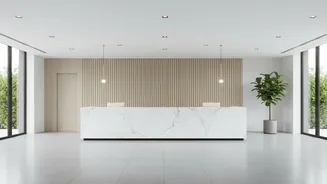
The Power of a Perfect Picture
Hotels are in the business of selling an experience, and professional photography is their most powerful tool. Online listings often use images of the property’s best rooms—the spacious suite, the one with the panoramic ocean view, or the recently renovated
floor—to represent the entire hotel. This isn't necessarily meant to deceive, but it can be misleading. Two rooms in the same hotel can look identical in photos but offer vastly different experiences based on their location, size, and noise level. Travellers often book based on these idealised images, assuming that what they see is what they will get. This oversight is a common pitfall that can lead to significant disappointment upon arrival, turning the start of a much-awaited trip into a moment of frustration.
Decoding Room Category Jargon
The key to avoiding this disconnect lies in the fine print: the room category. Hotels use a wide range of terms that can be confusing. A 'Standard' room is typically the most basic, while 'Deluxe' or 'Superior' might imply a better view, more space, or upgraded amenities, though definitions vary wildly between properties. 'Executive' rooms are often geared towards business travellers with perks like desk space and lounge access. One of the most ambiguous terms is 'Run of House', which essentially means you will be assigned whatever room type is available upon your arrival. Understanding these distinctions is crucial. When you book, you are paying for a specific category, not the specific room in the marketing photo. Paying attention to this detail is the first step in ensuring your expectations align with reality.
Your Pre-Booking Diligence
To become a savvier traveller, you need a pre-booking checklist. First, read recent guest reviews on multiple platforms, not just the hotel's website. Reviewers often post their own, unedited photos, which provide a more realistic glimpse into what standard rooms actually look like. Look for recurring comments about room size, cleanliness, and views. Next, scrutinise the room description. Look for specific details like square footage, bed configuration (e.g., king vs. two doubles), and listed amenities. If a view is important, ensure the category explicitly states 'Sea View', 'Mountain View', or 'City View'. Don't just rely on a photo that shows a balcony overlooking the beach; the room you book might be on the other side of the building.
When in Doubt, Pick Up the Phone
In an age of one-click booking, a direct phone call can feel old-fashioned, but it's an invaluable tool for clarification. If you have a specific requirement—a quiet room away from the elevator, an upper-floor room for a better view, or an accessible layout—calling the hotel directly is the best way to make your needs known. You can ask specific questions about the room category you are considering and confirm what it includes. This personal touch not only helps you get clarity but also allows the hotel to note your preferences in the reservation. For special occasions like an anniversary or honeymoon, a direct conversation can sometimes lead to a complimentary upgrade or a room that better matches your celebratory mood, something an algorithm-driven booking site can't offer.
What to Do if Your Room Disappoints
Even with careful planning, you might still end up with a room that doesn't meet the standards of what you booked. If this happens, it's important to act immediately and calmly. Before you unpack, double-check your booking confirmation to confirm the exact room category you paid for. Then, go to the front desk, politely explain the discrepancy, and show them your confirmation. The first request should always be to be moved to the correct room category. If that's not possible because the hotel is full, you are within your rights to ask for compensation. This could be a partial refund for the downgrade, a credit for hotel services like dining or the spa, complimentary breakfast, or waived resort fees. Document the issues with photos, as this will strengthen your case if you need to escalate the complaint.