



Understanding the Role: Scientist/Engineer 'SC'
The Scientist/Engineer 'SC' is the entry-level position for technical graduates at ISRO. It is a Group 'A' Gazetted post, placing new recruits at Level 10 of the pay matrix. These engineers are the backbone of India's space missions, contributing to the design,
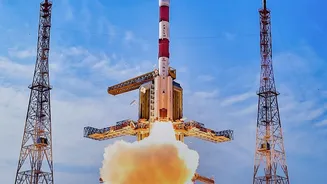
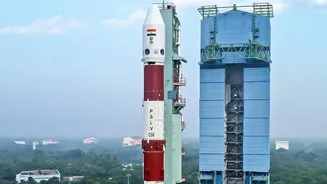
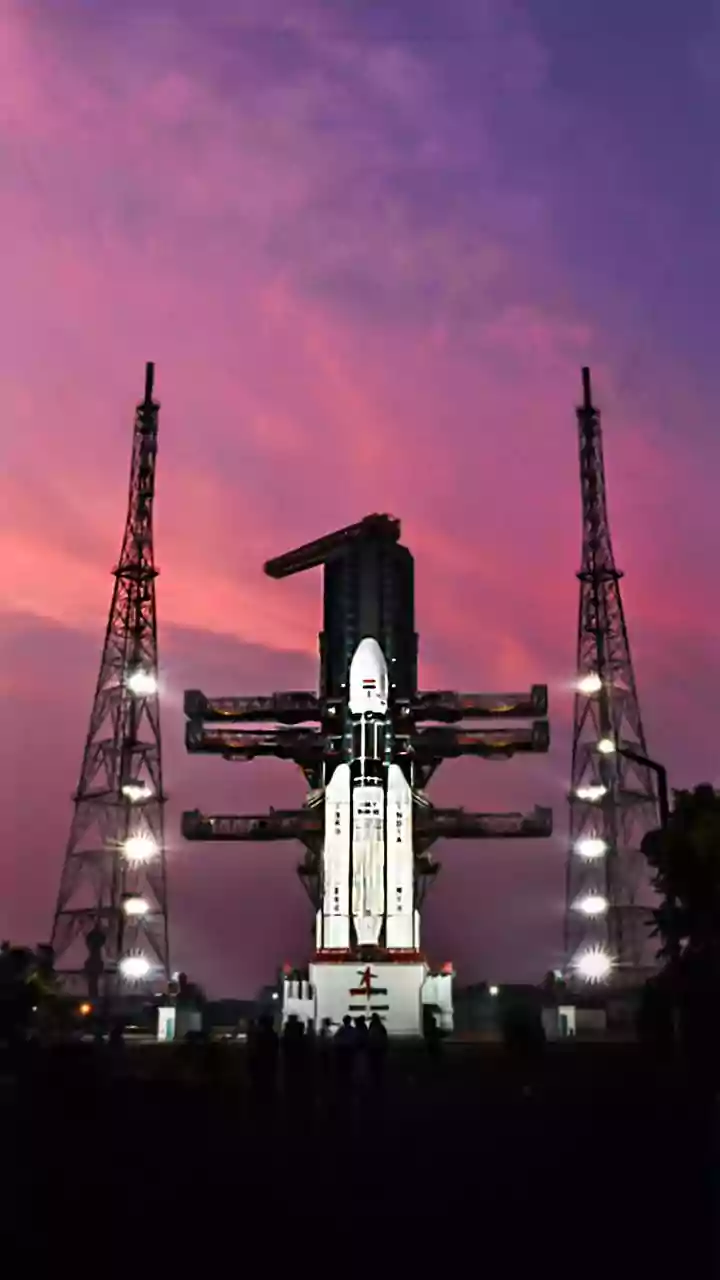
development, and testing of launch vehicles like the GSLV, satellites such as those used for communication and remote sensing, and other critical space technologies. Working across various ISRO centres like the Vikram Sarabhai Space Centre (VSSC) in Thiruvananthapuram or the U R Rao Satellite Centre (URSC) in Bengaluru, they play a vital role in projects of national importance, from Chandrayaan to Gaganyaan.
Core Educational Qualifications
The primary educational requirement for an aspiring ISRO Scientist/Engineer is a B.E./B.Tech degree or an equivalent qualification in a relevant engineering discipline. Crucially, candidates must have secured a first-class degree with an aggregate minimum of 65% marks or a CGPA of 6.84 on a 10-point scale. This high academic bar ensures that candidates possess a strong foundational knowledge in their field. ISRO's notifications also clarify that candidates who have obtained their degree through lateral entry are eligible, provided they meet the same percentage criteria. In many recruitment cycles, final-year students are also eligible to apply, on the condition that they complete their degree and can produce the final results by a specified date before joining.
What Engineering Disciplines Are in Demand?
ISRO recruits for a variety of engineering specialisations based on its project needs. The most common disciplines include Electronics, Mechanical, and Computer Science. However, recruitment drives frequently open vacancies for other fields such as Civil Engineering, Electrical Engineering, Refrigeration & Air-Conditioning, and even Architecture. Each recruitment notification specifies the exact disciplines required for that cycle. For instance, a notification from July 2026 announced vacancies across all these fields. It is essential for applicants to check the official advertisement to ensure their specific B.E. or B.Tech specialisation is listed as an eligible qualification for the post they are targeting.
The Age Limit for Applicants
For the Scientist/Engineer 'SC' position, the standard upper age limit for a general category candidate is typically 28 years as of the closing date of the application. However, there are age relaxations for candidates from reserved categories as per Government of India norms. For posts reserved for them, Other Backward Classes (OBC) candidates are given a relaxation of up to 3 years (making the upper age limit 31), and Scheduled Castes (SC) and Scheduled Tribes (ST) candidates receive a 5-year relaxation (up to 33 years). Persons with Benchmark Disabilities (PwBD) and ex-servicemen are also eligible for age relaxations according to government rules.
The Two Paths to Selection
ISRO has recently been using a two-pronged approach for recruitment to fast-track the hiring process. The first method involves shortlisting candidates based on their scores from the Graduate Aptitude Test in Engineering (GATE). Recent notifications have considered valid scores from the previous two GATE exams. The second method is the traditional ISRO Centralised Recruitment Board (ICRB) written test. Regardless of the initial screening method, shortlisted candidates are called for a personal interview. The final selection is often based on performance in this interview, which assesses technical knowledge, comprehension, and communication skills. Some recent recruitment models have assigned 50% weightage to the GATE score and 50% to the interview performance to prepare the final merit list.