



An Ancient Solution for Modern Gardeners
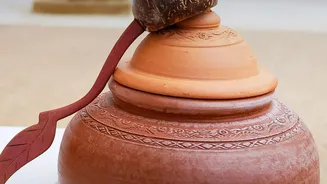
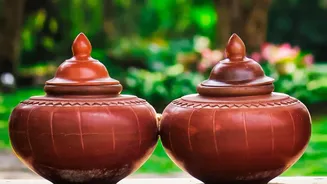
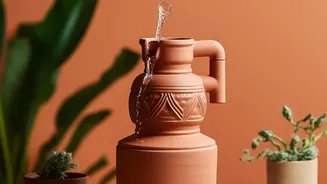
The concept of an olla (pronounced 'oy-yah') is thousands of years old, first used in arid climates across North Africa and China. An olla is simply an unglazed terracotta pot that is buried in the soil and filled with water. Because the clay is porous,
water slowly seeps through the walls to irrigate the surrounding soil. This ancient technique is experiencing a resurgence among modern urban gardeners, especially those with limited space, as it offers a low-tech, highly efficient way to manage watering in containers. Its resemblance to the common 'matka' makes the material instantly familiar, yet its application is a clever twist on traditional use.
The Science of 'Smarter' Watering
The magic of an olla lies in a natural process called soil moisture tension. The porous clay walls of the buried pot act as a membrane. When the surrounding soil is dry, the soil effectively 'pulls' water out of the olla through its tiny pores. Conversely, when the soil is already moist after a rain shower, the water stays inside the olla. This self-regulating system means plants get a consistent level of moisture directly at their roots, on their own schedule, without any timers or electronics. This method prevents the stress cycles of drying out and then being flooded, which can harm plants. It also encourages deeper, healthier root growth as roots are drawn toward the stable water source.
Why Ollas Excel in Balcony Gardens
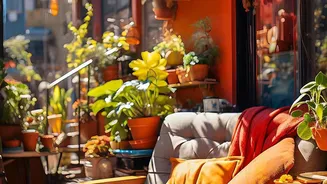
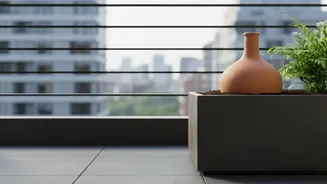
Balcony and rooftop gardens present a harsh environment for plants. They face intense heat radiated from concrete and glass, plus higher wind speeds that strip moisture from leaves and soil. This causes containers to dry out much faster than in-ground beds. Ollas are a perfect solution because they deliver water underground, dramatically reducing water loss to surface evaporation, which can be a major issue in sun-baked pots. This efficiency means you can save up to 70% of the water you might use with surface watering. For the balcony gardener, this translates to less time spent watering and healthier, more resilient plants, even if you go away for a weekend.
A Practical Guide to Using Ollas in Pots
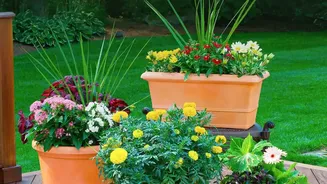
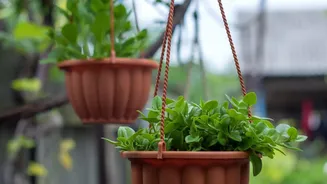
Using an olla in a container is straightforward. For a standard pot under 24 inches in diameter, a single, centrally-placed olla is usually sufficient. It is crucial to choose a container large enough to accommodate both the olla and the plant's root system; a rule of thumb is that the olla should not take up more than 20-25% of the pot's volume. To install, bury the olla in your container so its neck sits an inch or two above the soil line. This prevents soil from washing inside. Pack soil firmly around the olla to ensure good contact, as air gaps will stop the water from seeping out. Plant your seedlings around it, placing the thirstiest plants closest. After planting, fill the olla with water and place a cap or a small stone over the opening to prevent evaporation and keep mosquitoes out.
Best Plants and Other Considerations
Ollas work best with plants that have fibrous root systems and appreciate consistent moisture. Vegetables like tomatoes, peppers, squash, and cucumbers are ideal candidates. The steady water supply helps prevent common issues like blossom end rot and cracked fruit in tomatoes. Many herbs, such as basil and mint, also thrive. For best results, plant your crops within the olla's watering radius, which you will learn with time. Initially, you may need to surface water seedlings until their roots are established enough to find the olla. While very effective, remember that in the tight space of a pot, the olla itself takes up valuable root space, so they are best used in larger containers of at least 20 litres.