
Mathura’s Creamy Offering: Peda
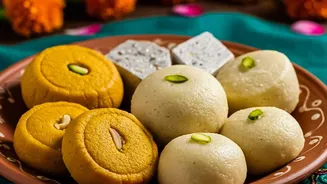
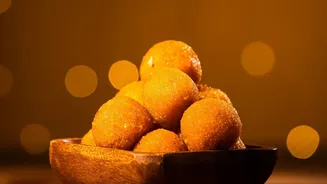
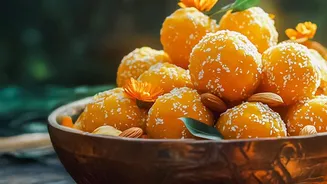
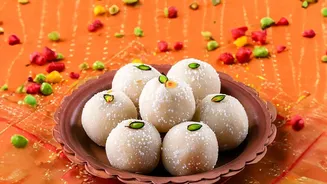
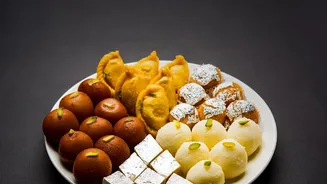
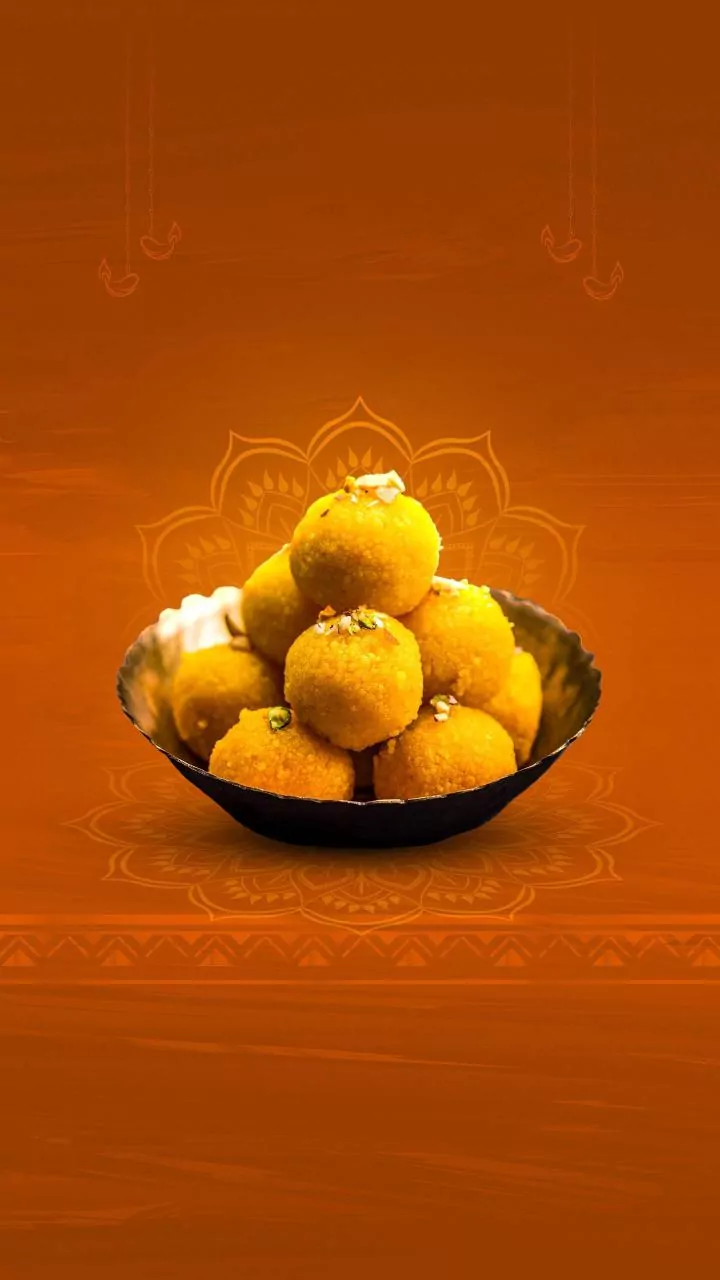
No culinary tour of Janmashtami can begin anywhere but Mathura, the sacred birthplace of Lord Krishna. Here, the celebration is synonymous with the Peda. This iconic sweet is made by patiently simmering milk until it reduces to a thick, caramelised solid
known as khoya. This is then mixed with sugar and flavoured with cardamom before being shaped into soft, round discs. The Mathura Peda is more than just a sweet; it is considered a direct representation of the region's deep-rooted connection to Krishna, who was famously fond of milk and its derivatives. Offering and sharing peda is an essential part of the festivities, turning the sacred geography of Krishna's childhood into a taste that can be shared and savoured by all.
Maharashtra’s Savoury Mix: Gopalkala
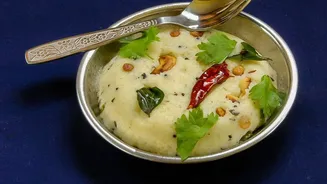
In Maharashtra, the boisterous Dahi Handi celebrations are complemented by a unique savoury dish called Gopalkala. Also known as Dahi Kala, this dish is a rustic mixture of flattened rice (poha), curd, cucumber, grated coconut, and sometimes fruits and peanuts. It is meant to symbolise the meal that Lord Krishna shared with his friends, the 'gopalas' or cowherds, in the fields of Vrindavan. They would pool whatever food they had, creating a communal meal. Gopalkala embodies this spirit of sharing and community. It is a cooling, light, and nutritious dish that is often used to break the Janmashtami fast, perfectly capturing the playful and communal essence of the festival in the region.
Bengal’s Monsoon Delicacy: Taler Bora
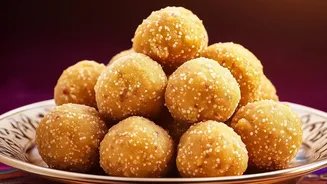
In West Bengal, the flavour of Janmashtami is distinctly seasonal, marked by a sweet fritter known as Taler Bora. These deep-fried delights are made from the pulp of the ripe Asian palmyra palm (taal), which is available in abundance during the monsoon season when the festival occurs. The rich, fragrant pulp is mixed with rice flour, semolina, coconut, and jaggery or sugar to form a thick batter, which is then fried into small, golden-brown balls. A popular Bengali rhyme even describes how Krishna's adoptive father, Nanda, danced with joy after eating these fritters. Taler Bora is a quintessential prasad in Bengali households, a perfect example of how local, seasonal ingredients are woven into devotional traditions.
South India’s Crunchy Offerings: Seedai and Murukku
Across South India, where the festival is known as Krishna Jayanthi or Gokulashtami, the air is filled with the sound of crunching on savoury snacks. The most important of these are Seedai and Murukku. Seedai are small, deep-fried balls made from rice flour, available in both sweet (Vella Seedai) and savoury (Uppu Seedai) versions. Murukku, a spiral-shaped snack, is also made from a dough of rice flour and urad dal flour. Preparing these snacks is a cherished tradition, with families often making them in large batches to offer as neivedhyam (offering) to Krishna and to share with visitors. These crunchy treats, along with offerings of fresh butter and flattened rice (aval), are central to the celebration of Krishna's birth in the southern states.
North India’s Wholesome Prasad: Panjiri
In many parts of North India, particularly in Punjab, Uttar Pradesh, and Haryana, Panjiri is a must-have prasad for Janmashtami. While the everyday version is made with whole wheat flour, the one prepared for Janmashtami fasting often uses roasted coriander seed powder (Dhaniya Panjiri). This gluten-free mixture is cooked in ghee and combined with powdered sugar, makhana (fox nuts), melon seeds, and a generous amount of dried fruits and nuts. The result is a fragrant, crumbly, and highly nutritious sweet that provides energy after a day of fasting. It is a wholesome offering that reflects both devotion and a deep understanding of seasonal nutrition.