



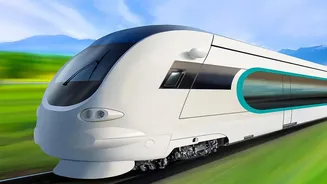
A New Chapter in Connectivity
The introduction of the Vande Bharat Express to Srinagar is the crowning achievement of the Udhampur-Srinagar-Baramulla Rail Link (USBRL), a monumental national project sanctioned in the mid-1990s to connect the Kashmir Valley with the rest of India’s
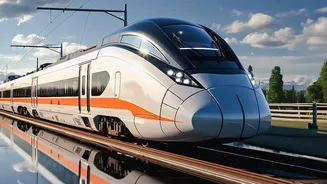
railway network. After decades of construction through challenging Himalayan terrain, this 272-km line is finally operational, providing a reliable alternative to the often-disrupted road and air travel. The Vande Bharat services, which began regular operations between Jammu Tawi and Srinagar in the spring of 2026, mark a significant milestone in this journey. Initially running between Katra and Srinagar from June 2025, the service was extended to Jammu Tawi, creating a direct, seamless link between the two capital cities. Due to high demand, a third Vande Bharat train for the route has already been approved.
The Journey Experience Reimagined
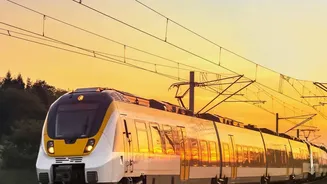
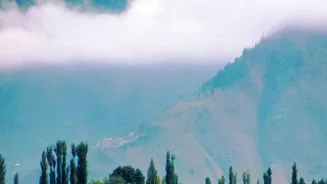
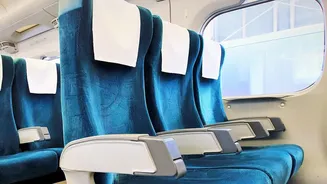
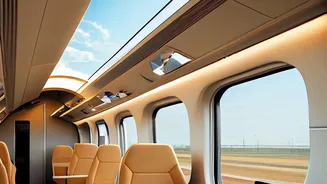
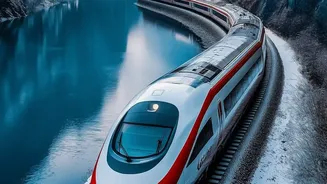
Traveling on the Vande Bharat is a significant upgrade from conventional train journeys. These indigenously built, semi-high-speed trains are designed for comfort, speed, and aesthetics. Passengers can expect fully air-conditioned coaches with large windows perfect for soaking in the breathtaking scenery of the Pir Panjal range. The interiors are inspired by air travel, featuring reclining seats with generous legroom, GPS-based passenger information systems, and onboard Wi-Fi for entertainment. The trains are also equipped with special heating and winterisation technology to ensure smooth operations even in sub-zero temperatures, a crucial feature for Kashmir's climate. With a noticeably smoother ride and automatic doors that enhance safety and reduce noise, the journey itself becomes a key part of the travel experience.
Slashing Travel Time and Boosting Reliability
One of the most immediate benefits of the Vande Bharat service is the dramatic reduction in travel time. The journey between Jammu and Srinagar now takes under five hours by train, a significant improvement over the 6-8 hours or more it can take by road, depending on traffic and weather. This new rail link offers all-weather connectivity, a game-changer for a region where the crucial Jammu-Srinagar national highway is frequently closed during winter due to heavy snowfall and landslides. The increased speed and reliability mean tourists, pilgrims, and business travelers can plan their trips with greater certainty. The Vande Bharat trains on this route have been approved to run at speeds up to 100 km/h on certain sections, further strengthening connectivity and reducing travel duration.
An Engineering Marvel Through the Himalayas
The route to Kashmir is a testament to India's engineering prowess, navigating some of the most difficult geology in the world. The journey takes passengers across incredible structures like the Chenab Rail Bridge, the world's highest railway arch bridge, standing 359 meters above the riverbed—taller than the Eiffel Tower. Another highlight is the Anji Khad Bridge, India's first cable-stayed railway bridge. These bridges, part of a project featuring 38 tunnels and over 900 bridges, are not just infrastructure; they are destinations in themselves. Designed to withstand high wind speeds and major seismic activity, these structures ensure a safe and resilient connection to the valley.
A Transformative Boost for Tourism and Economy
The arrival of the Vande Bharat is set to have a profound impact on Jammu and Kashmir's economy. Easier, faster, and more affordable access is expected to lead to a significant rise in tourist footfall throughout the year, especially promoting winter tourism, which has historically been hampered by poor road connectivity. Beyond tourism, the railway provides a vital economic lifeline for local producers. It enables faster and more cost-effective transportation of Kashmir's famed agricultural products like apples and saffron, as well as handicrafts like Pashmina shawls, to markets across India. This enhanced connectivity supports small businesses, creates new employment opportunities, and fosters greater economic integration with the rest of the country.