






Understand the Warning
First, it's crucial to understand what a 'red alert' from the India Meteorological Department (IMD) actually means. It’s the highest level of warning, issued when extremely heavy rainfall (over 204.5 mm in 24 hours) is expected. This isn't just a signal
for a romantic downpour; it's a 'Take Action' notice, indicating a significant risk to life and property from events like flash floods, landslides, and severe waterlogging. Authorities advise against travel and urge people to stay indoors for their own safety. The alert means you must prioritize safety above all else.
Heed Local Restrictions
During a red alert, local authorities in Lonavala and Maval often impose prohibitory orders to prevent accidents. These orders typically restrict access to popular but risky tourist spots. Places like Bhushi Dam, Tiger Point, Lion's Point, and various waterfalls and forts such as Lohagad and Visapur may be closed to the public. Activities like swimming in waterfalls, taking selfies near cliff edges, and consuming alcohol in public spaces are strictly banned. Always check the social media pages of local police and district administration for the latest updates on closures and traffic diversions before heading out.
Shift to an Indoor Itinerary
If the great outdoors is off-limits, embrace the great indoors. A rainy day in Lonavala can be incredibly cozy if you plan it right. Swap out risky treks for a visit to the Lonavala Wax Museum or explore the shops at a local mall. The main event, however, should be the food. Find a comfortable cafe with a view, order a round of hot bhajiyas or vada pav, and sip on masala chai while watching the rain fall. Many resorts also have indoor game rooms, spas, or a common area where you can relax with a book or play board games with your travel companions.
Travel Smart and Safe
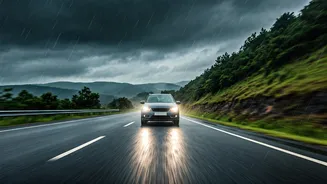
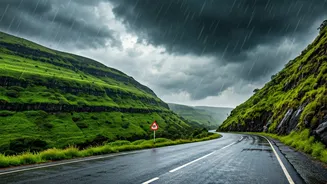
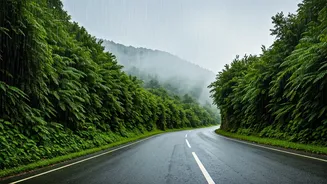
If you are already in Lonavala or must travel, road safety is paramount. Heavy rains drastically reduce visibility and make roads slippery. The Mumbai-Pune Expressway and the old highway are prone to waterlogging and traffic snarls during downpours. Drive slowly, use your headlights, and maintain a safe distance from other vehicles. Avoid driving through waterlogged patches as you cannot gauge their depth. It's also wise to avoid night driving. Given the risk of landslides in the ghat sections, it is often best to stay put and wait for the weather to clear.
Pack for the Downpour
Proper packing can make all the difference. Sturdy, non-slip waterproof footwear is non-negotiable to navigate slippery surfaces. Carry a reliable raincoat or poncho, as umbrellas are often useless against strong winds on hillsides. It's also essential to protect your electronics in waterproof bags. Pack a power bank, a basic first-aid kit, and some non-perishable snacks and drinking water in case you get stranded due to road closures or traffic jams. Having these essentials on hand can turn a potential crisis into a manageable inconvenience.