





The Modern Indian Food Dilemma
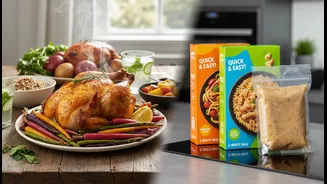
India is in the midst of a massive dietary shift. Urbanisation, rising incomes, and the aggressive marketing of convenience foods have changed what young people eat. Ultra-processed foods (UPFs), high in sugar, salt, and fat, are increasingly becoming
staples. This shift comes at a cost, contributing to a rise in non-communicable diseases like diabetes and obesity, with unhealthy diets now linked to over half of India's disease burden. Young adults, in particular, are consuming more UPFs, which is not only affecting their physical health but also their cognitive and emotional well-being. This creates a confusing landscape where traditional, home-cooked meals are competing with the instant gratification of a packaged snack.
What is Food Literacy, Anyway?
Food literacy is more than just knowing what's healthy. It's the practical ability to make informed decisions about food. This includes planning meals, understanding where food comes from, shopping wisely, and having the skills to prepare it. Crucially, it also involves being able to read and interpret food labels and critically evaluate the marketing claims that bombard us daily. For young Indians, this means having the confidence to navigate a supermarket aisle, resist misleading advertisements, and apply nutritional knowledge to their everyday lives. Initiatives are now emerging to build these skills, moving beyond simple nutrition advice to include hands-on training in schools and communities.
Decoding the Packaged Food Puzzle
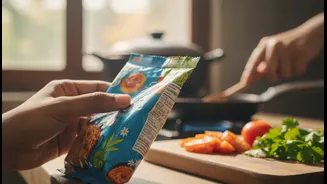
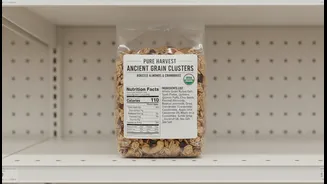
A key change driven by food literacy would be the ability to look beyond the slick packaging. A food-literate individual can decipher nutritional labels, identifying hidden sugars, unhealthy fats, and excessive sodium. They can differentiate between a genuinely healthy product and one that simply uses clever marketing buzzwords. Recognizing this need, the Food Safety and Standards Authority of India (FSSAI) is working on making labels clearer and more transparent, which will help consumers make better choices at a glance. Understanding these labels empowers young consumers to hold brands accountable and choose products that align with their health goals, rather than being swayed by convenience alone.
The Revival of Home-Cooked Meals
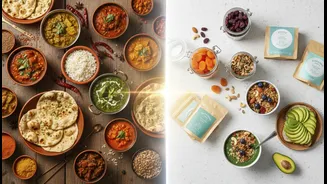
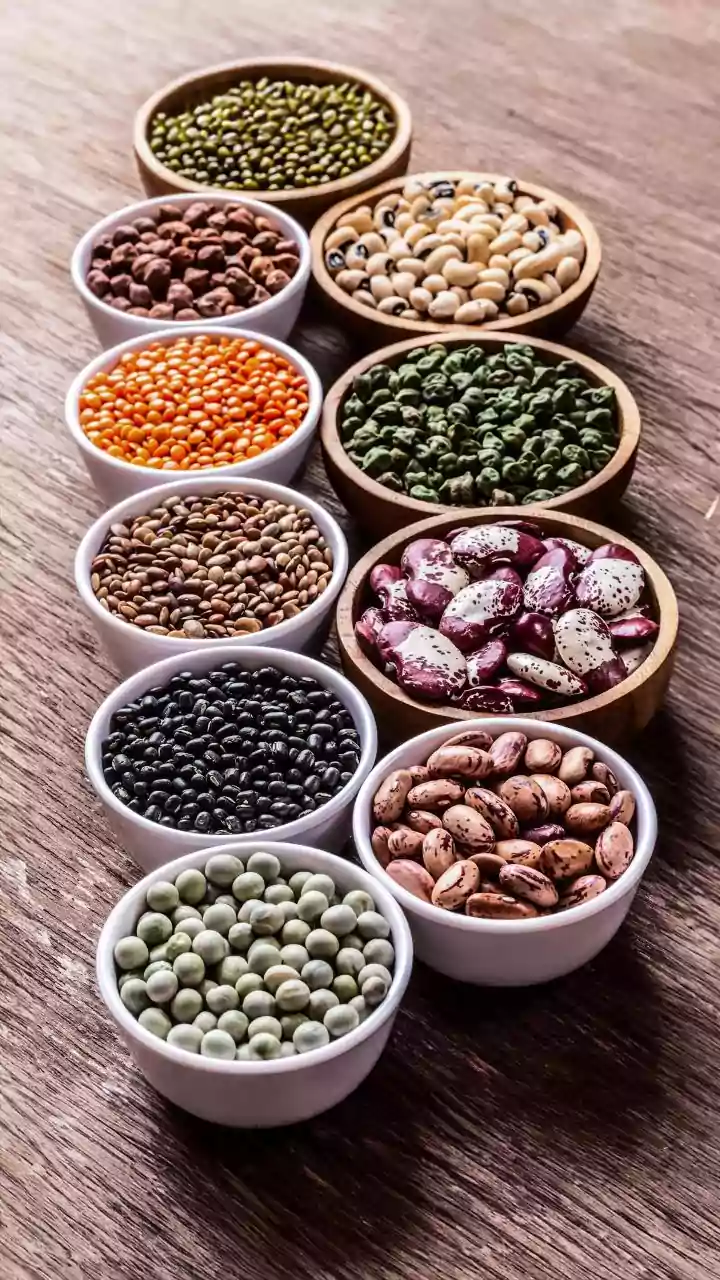
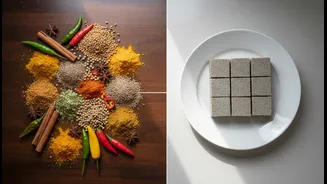
Food literacy isn't just about avoiding the 'bad'; it's also about rediscovering the 'good'. A greater understanding of nutrition is inspiring a return to traditional Indian cooking. Many are realizing that our culinary heritage, with its emphasis on seasonal produce, whole grains, lentils, and spices, is naturally aligned with modern wellness goals. Food literacy can help a new generation appreciate the science behind their grandmother's recipes—the gut-friendly benefits of fermentation in dosa batter, the anti-inflammatory properties of turmeric, or the balanced nutrition in a simple dal and rice. This knowledge transforms cooking from a chore into a conscious act of nourishment and cultural preservation.
Smarter Choices, Healthier Future
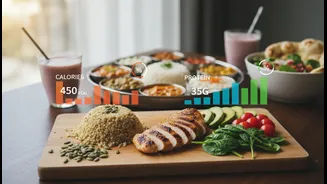
Ultimately, improved food literacy would equip young Indians to strike a healthy balance. They could enjoy convenience without sacrificing their health, knowing how to incorporate packaged foods sensibly into a diet dominated by nutritious, home-cooked meals. This could lead to a generation that demands better products from the food industry and has a lower incidence of lifestyle diseases. It would also help tackle India's 'double burden' of malnutrition—the coexistence of undernutrition and obesity. By understanding both the components of a balanced diet and the pitfalls of modern food environments, young people can build lifelong healthy habits, securing not just their own future but contributing to a healthier nation.