





The Two Faces of Fiber
To understand why this works, we first need to talk about fiber. Dietary fiber is a type of carbohydrate your body can't digest. It comes in two main forms: insoluble and soluble. Insoluble fiber, found in things like whole grains and nuts, adds bulk
and helps keep your digestive system regular. Soluble fiber, however, is the star player when it comes to blood sugar. Found in foods like oats, beans, apples, and many vegetables, it dissolves in water to form a gel-like substance in your gut.
How Fiber Creates a 'Traffic Jam' for Sugar
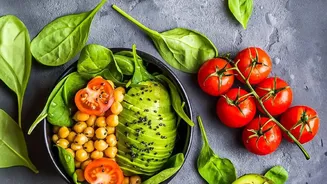
When you eat a salad full of leafy greens, cucumbers, and other non-starchy vegetables, you're getting a good dose of that soluble fiber. This fiber forms a viscous gel in your stomach. Think of this gel as a friendly traffic controller. When the carbohydrates from the rest of your meal (like pasta, rice, or bread) arrive, they get caught in this gel-like matrix. This process physically slows down how quickly your stomach empties and hinders digestive enzymes from breaking down the carbs into glucose, or sugar.
Why Timing Is Everything
This is why the 'vegetable-first' approach is so effective. By eating the fiber-rich salad before the carbohydrates, you give the soluble fiber a head start. It lines parts of your digestive tract and creates that beneficial gel before the bulk of the sugar-releasing foods arrives. Studies have shown that when people eat vegetables before carbohydrates, their post-meal blood sugar levels are significantly lower and more stable compared to when they eat the carbohydrates first. The fiber essentially acts as a buffer, preventing a rapid flood of glucose into your bloodstream.
The Benefits of a Slower Sugar Release
Avoiding a sharp spike in blood sugar isn't just for people with diabetes; it's beneficial for everyone. A rapid rise in glucose is often followed by a crash, which can leave you feeling tired, irritable, and craving more sugar. By slowing down glucose absorption, you get a more gradual, controlled release of energy. This leads to more stable energy levels, reduced cravings, and better overall metabolic health. The improvement in blood sugar and insulin levels can be so significant that some researchers have compared the effect to that of certain medications.
More Than Just Blood Sugar
The 'salad first' strategy has other perks, too. Starting your meal with a high-volume, low-calorie salad can increase your feeling of fullness, or satiety. This can help you naturally eat fewer calories during the main course, which may support weight management goals. Furthermore, consistently feeding your gut fiber promotes a healthy microbiome, which is linked to everything from better digestion to improved immunity. Research has also shown that people who start with a salad tend to eat more vegetables overall during the meal.
How to Build the Ideal Pre-Meal Salad
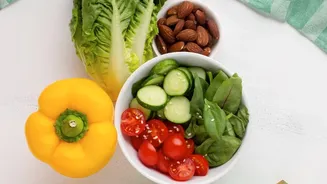
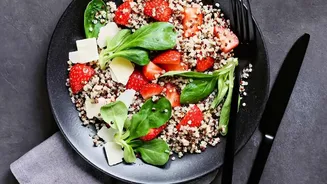
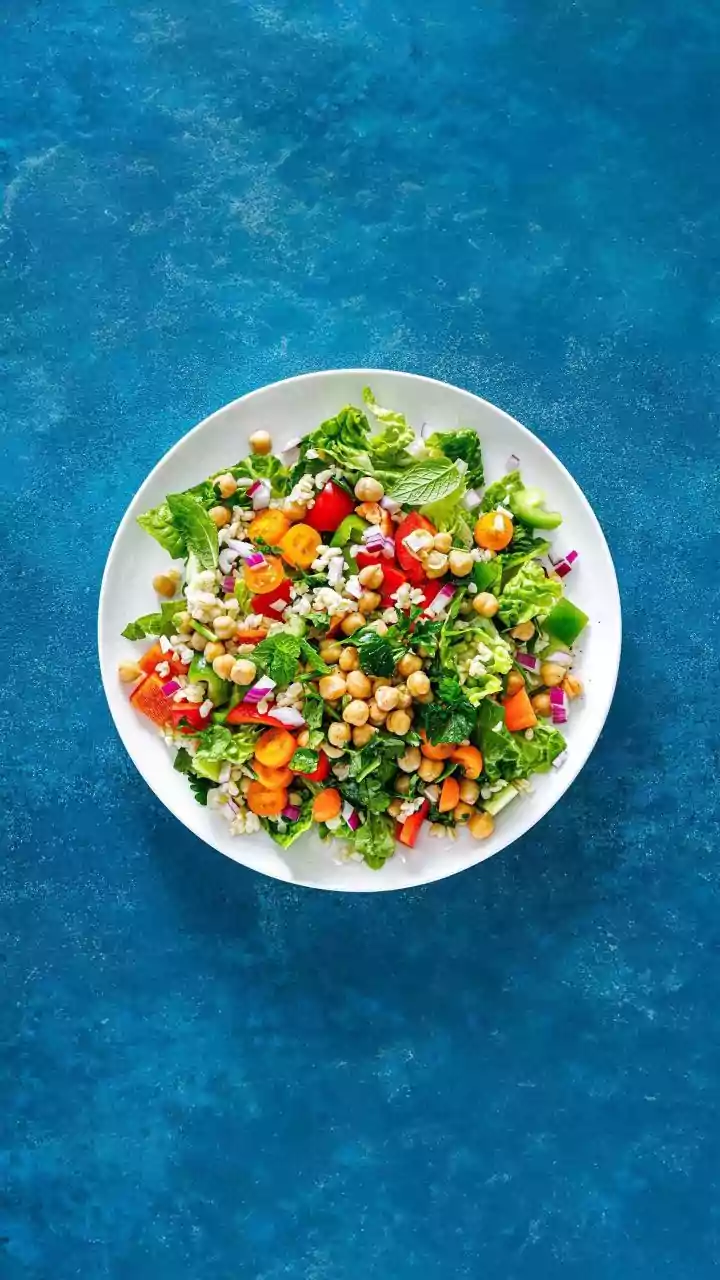
To maximize the benefits, focus on non-starchy vegetables. Leafy greens like spinach and arugula, along with cucumbers, tomatoes, bell peppers, and broccoli are excellent choices. For the dressing, opt for one based on healthy fats like olive oil. Healthy fats can further aid in slowing digestion and help your body absorb the fat-soluble vitamins (A, E, K) from the vegetables. Try to avoid heavy, creamy dressings and sugary additions like candied nuts or excessive dried fruit, as these can counteract the blood-sugar-stabilizing benefits you're aiming for.