

The Humid Haven for Fungi
After the rains subside, the air remains thick with moisture. This period of high humidity, often exceeding 70-80%, is a paradise for microscopic fungi. Organisms like yeast, particularly Malassezia pachydermatis, are naturally present on a dog's skin
in small numbers. However, the warm and constantly damp conditions allow this yeast to multiply uncontrollably, shifting from a harmless resident to a problematic invader. This overgrowth triggers an inflammatory response in the dog's skin, leading to what we recognise as a fungal allergy or yeast dermatitis.
Why Some Dogs Suffer More
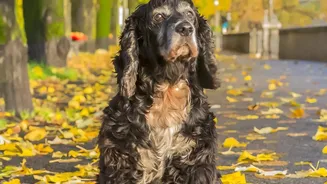
While any dog can be affected, certain factors increase their vulnerability. Breeds with skin folds, like Pugs, Bulldogs, and Shar-Peis, are at higher risk because moisture gets trapped in these areas, creating humid microclimates. Similarly, dogs with floppy ears, long hair, or those who love splashing in puddles are more susceptible as their coats and ears take longer to dry. The paws are another common trouble spot, as moisture gets trapped between the toes. Underlying issues such as food allergies, a weakened immune system, or other skin conditions can also compromise the skin's natural defences, making a fungal takeover more likely.
Recognising the Signs of Discomfort
A fungal allergy is intensely uncomfortable for your dog. The most obvious sign is persistent itching. You may notice your dog constantly scratching, licking, or chewing at their paws, belly, armpits, or ears. The affected skin often appears red, inflamed, and can feel greasy or oily. As the condition progresses, you might see flaky or crusty patches, hair loss, and a thickening or darkening of the skin. A distinct musty or 'cheesy' odour is another classic sign of a yeast overgrowth, especially from the ears or skin folds.
Your Prevention Playbook
Prevention is far easier than treatment. The number one rule during the humid season is to keep your dog as dry as possible. After every walk, especially if it was wet or muddy, thoroughly towel-dry your dog. Pay special attention to their paws, underbelly, skin folds, and ears. For thick-coated dogs, a hairdryer on a low, cool setting can be invaluable for ensuring the undercoat is completely dry. Regular grooming and brushing help to remove loose fur and improve air circulation. Keeping their bedding and living area clean and dry also reduces the environmental fungal load.
How to Help and When to See a Vet
If you notice the first signs of a fungal issue, prompt action can make a big difference. For mild cases, your vet may recommend topical treatments like medicated shampoos containing ingredients such as ketoconazole or miconazole. These require you to leave the shampoo on for about 10 minutes before rinsing to be effective. Antifungal wipes or sprays can also be used for smaller, localised areas. However, if the itching is severe, the skin is broken, or the infection is widespread, a veterinary visit is crucial. A vet can accurately diagnose the problem and may prescribe oral antifungal medications alongside topical therapy for a more aggressive approach. Do not use human antifungal creams, as they may contain ingredients harmful to dogs if licked.