




More Than Just a Numbers Game
Getting enough protein is essential for everything from building muscle to supporting your immune system. However, the amount of protein listed on a food label and the amount your body can actually use can be two different things. This is where digestibility
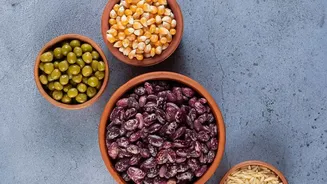
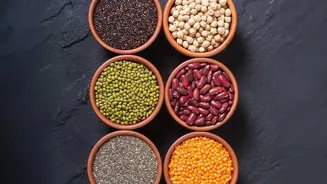
comes in. It refers to how well your body can break down protein and absorb its building blocks, amino acids. Plant-based proteins common in Indian diets, like lentils (dal), chickpeas (chana), and kidney beans (rajma), contain compounds that can sometimes interfere with this process, leading to bloating or discomfort. If your body struggles to digest the protein you eat, you’re not getting its full benefits, no matter how much you consume.
Why Mouthfeel Matters
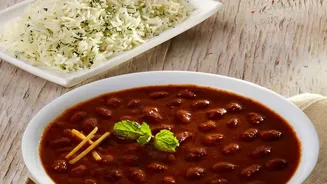
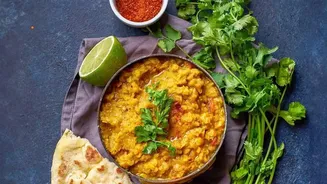
Texture, or mouthfeel, is another critical factor that we often underestimate. It’s not just about whether a food is crunchy, soft, or creamy; texture is a powerful psychological cue for quality and satisfaction. Studies show that foods with more complex and chewy textures can increase feelings of fullness and satiety, potentially helping to prevent overeating. Think about the difference between a smooth, creamy dal and a hearty bowl of whole rajma. The varied texture makes the meal more engaging and can signal to your brain that you are consuming something substantial and nourishing. An unappealing texture, like overcooked, rubbery paneer or mushy dal, can ruin the entire experience and make even the most nutritious meal feel unsatisfying.
The Digestibility Dilemma With Plant Proteins
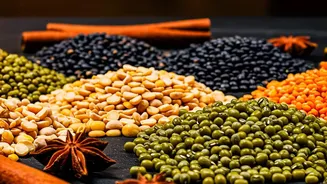
Many staples of the Indian vegetarian diet are legumes and pulses. While incredibly nutritious, they contain anti-nutritional factors like phytates and lectins, which can bind to minerals and make proteins harder to digest. This is a primary reason why some people experience gas, bloating, and indigestion after eating dishes like chole or rajma. The body's ability to break down these complex carbohydrates and proteins determines how many nutrients are ultimately made available for absorption. Poor digestibility not only causes discomfort but also means you're missing out on the very nutrients you’re trying to consume.
Grandma’s Kitchen Was a Nutrition Lab
The good news is that traditional Indian cooking methods are ingeniously designed to solve these very problems. Practices passed down through generations are, in fact, brilliant scientific techniques for improving both digestibility and texture. Soaking legumes like rajma and chana overnight is a crucial first step that helps reduce the compounds that cause gas. Sprouting, used for moong dal and other pulses, not only makes them easier to digest but also increases the bioavailability of vitamins. Fermentation, the process behind idli and dosa batter, introduces beneficial bacteria that pre-digest some of the carbohydrates and enhance B vitamin content. Even the use of specific spices like asafoetida (hing), cumin (jeera), and ginger are not just for flavour; they are known to stimulate digestive enzymes and reduce bloating.
Simple Steps for a Better Protein Experience
You can easily incorporate these age-old techniques into your modern kitchen. Always soak your lentils and beans for at least a few hours, or preferably overnight, and discard the soaking water. Cooking legumes until they are very soft and tender makes them much easier on the digestive system. A pressure cooker is an excellent tool for this. Combining cereals and pulses, as in khichdi or dal with rice, creates a complete protein profile, ensuring you get all essential amino acids. Don't shy away from using traditional digestive spices. Finally, pay attention to how you feel after eating. If a certain preparation of paneer feels too heavy, try a lighter, stir-fried version instead of a rich, creamy curry. Listening to your body is the final piece of the puzzle.