



A Tale of Two Markets
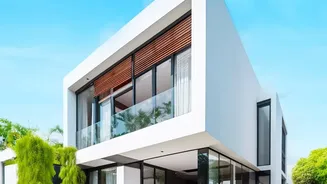
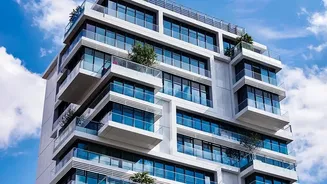
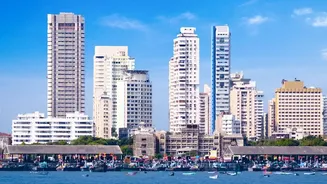
India's residential property market is splitting in two. On one side, the luxury segment is booming. Sales of homes priced above ₹1 crore are growing strongly, with the ultra-luxury bracket (above ₹4 crore) expanding its market share significantly. On the other
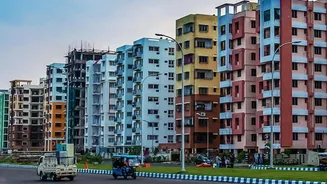
side, the affordable housing segment is shrinking at an alarming rate. According to a report from CareEdge Ratings, homes priced below ₹1.5 crore, which made up 85% of new launches in the first quarter of 2022, fell to just 47% in the first quarter of 2026. Data from Anarock Research paints an even starker picture, showing the share of affordable housing (under ₹50 lakh) in new launches collapsed from over 52% in 2018 to just 6% in the second quarter of 2026. This trend indicates a structural shift where developers are increasingly focused on high-end projects, while the supply of homes for the masses dwindles.
The Economics of Development
Developers are not ignoring the budget segment by choice, but by economic compulsion. The primary driver is profitability. Sharply rising costs for land and construction materials like steel and cement have squeezed margins to unsustainable levels for affordable projects. These projects operate on thin margins to begin with, making them highly vulnerable to cost overruns. In contrast, luxury projects offer much healthier profit margins and attract affluent buyers who are less sensitive to price increases and interest rate hikes. Furthermore, land scarcity in prime urban areas makes it economically unviable for developers to build budget homes; the only way to make a project profitable on expensive land is to build and sell luxury units.
A Shift in Buyer Demand
The COVID-19 pandemic permanently altered homebuyer preferences. The rise of remote and hybrid work models created a surge in demand for larger homes with more space, such as dedicated home offices, balconies, and better amenities. Families that could afford it began prioritizing comfort, wellness, and a better lifestyle over simply being close to the office. This created a powerful demand wave at the premium end of the market, which developers have been quick to meet. Affluent domestic buyers and Non-Resident Indians (NRIs) have been active, viewing real estate as both a lifestyle upgrade and a sound investment, further fueling the luxury boom.
The Widening Affordability Gap
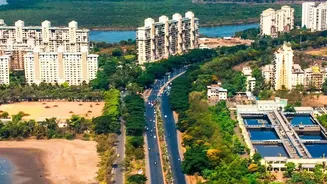
The consequence of this market shift is a widening affordability gap for millions of Indians. As developers launch fewer budget-friendly projects, the available supply of affordable homes is failing to keep pace with demand. This mismatch, coupled with rising property prices across the board, pushes the goal of homeownership further out of reach for first-time buyers and middle-income families. Many are forced to delay their purchase, move to peripheral locations far from city centers, or resign themselves to renting indefinitely. While government schemes like PMAY-Urban have aimed to address this, the on-ground reality shows that market forces are currently favouring the few over the many, posing a significant challenge to inclusive urban development.