






The Unlikely Superfood for Speed
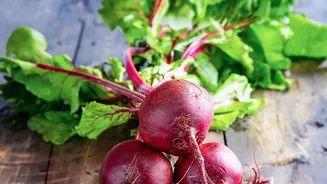
Beetroot, a staple in many Indian households often found in salads and juices, is gaining a formidable reputation in sports nutrition. While its health benefits are well-known, scientists are now focusing on its high concentration of inorganic nitrate.
Recent meta-analyses and studies have reignited interest in this root vegetable, not just for endurance but for short, powerful bursts of activity like sprinting. A comprehensive review in June 2026, which analyzed 33 studies with over 500 athletes, found consistent evidence that beetroot juice can measurably improve performance, including higher sprint power. This has moved beetroot from a simple health food to a scientifically-backed supplement for serious athletes.
How Nitrate Works Its Magic
The performance-boosting secret lies in a simple biological process. After you consume beetroot, bacteria in your mouth convert its dietary nitrate (NO3−) into nitrite (NO2−). This nitrite then circulates in the blood and, particularly in low-oxygen conditions like intense exercise, is converted into nitric oxide (NO). Nitric oxide is a potent vasodilator, meaning it widens your blood vessels. This process enhances blood flow, increases oxygen and nutrient delivery to your working muscles, and improves the efficiency of your mitochondria—the powerhouses of your cells. Essentially, your muscles can do more work with the same amount of oxygen, reducing the overall energy cost of exercise and potentially delaying fatigue.
Micro-Dosing: The 'Little and Often' Approach
The headline's mention of "micro-dosing" refers to a strategy of taking smaller, consistent amounts of nitrate over time, rather than just chugging a large beetroot shot right before a workout. While acute, single doses taken a few hours before exercise have shown benefits, research also supports chronic dosing—taking a supplement daily for several days (3-15 days) leading up to an event. This consistent intake helps maintain elevated levels of plasma nitrite, ensuring the nitric oxide pathway is primed and ready for when you need it most. Studies suggest a minimum daily dose of around 5-9 mmol of nitrate (about 300-600 mg) is effective for seeing physiological benefits, though the ideal dose-response relationship is still being explored. This approach allows the body to adapt and may provide more reliable benefits than a one-off dose.
What Does This Mean for Sprinters?
While much of the early research on beetroot focused on endurance, newer evidence points to significant benefits for anaerobic and high-intensity exercise. A recent meta-analysis highlighted improvements in peak power output and muscular endurance. For a sprinter, this could translate to a more powerful start and better maintenance of speed throughout a race. The mechanism is thought to involve nitrate's effect on fast-twitch muscle fibres, which are crucial for explosive movements. Some studies have shown that nitrate can enhance muscle contractile function, potentially related to how muscles handle calcium, which is vital for every contraction. However, it's important to note the science isn't unanimous; some studies focusing on very short sprints have found no significant improvement, suggesting the benefits may be more pronounced in repeated-sprint scenarios or slightly longer high-intensity efforts.
Practical Takeaways for the Everyday Athlete
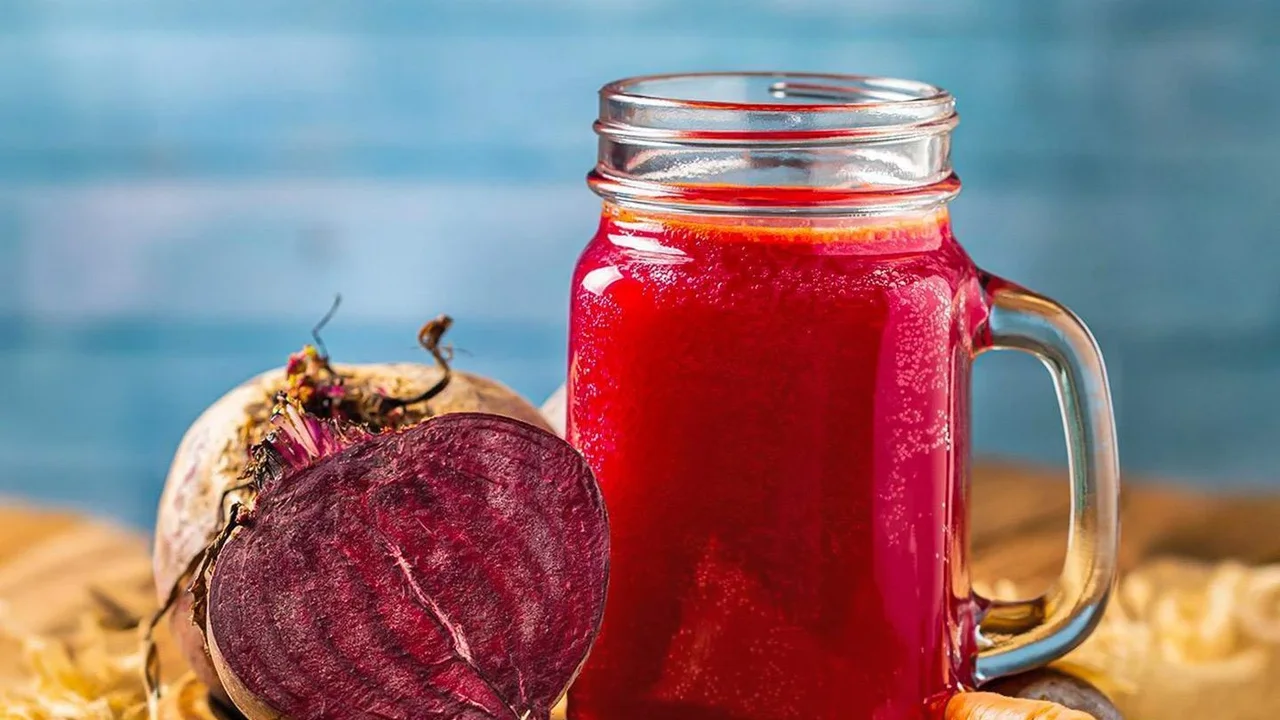
For those in India looking to try this, beetroot (or 'chukandar') is readily available and affordable. While concentrated beetroot shots offer a precise dose of nitrate, incorporating the whole vegetable into your diet through juices or cooked dishes can also contribute to your intake. For a more targeted approach, a daily dose of about 70-140ml of beetroot juice, which provides roughly 300-600mg of nitrate, for a week leading up to a competition or intense training block aligns with scientific findings. It's worth remembering that the effects are supportive, not miraculous. Factors like overall diet, training, and recovery remain the primary drivers of performance. Also be aware of a harmless but sometimes alarming side effect: beeturia, which is red or pink urine or stools.