





The King of Fruits Reigns Supreme
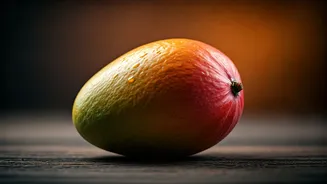
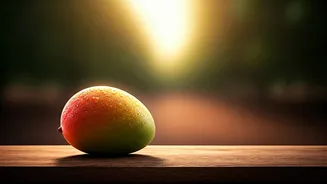
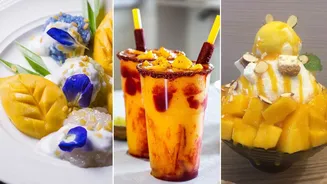
For most Americans, a mango is a delicious, if sometimes stringy, tropical fruit found in the produce aisle year-round. It’s an ingredient in a smoothie, a topping for yogurt, a taste of the exotic. In India, it is something else entirely. It is the undisputed
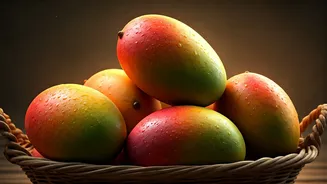
“king of fruits,” an obsession, a cultural marker, and the heart of the sweltering summer months. From late March through July, life revolves around the mango. Markets overflow with dozens of varieties, their intoxicating fragrance filling the air. Newspapers run columns debating the merits of the season’s first crop. Families plan their days around the ritual of eating them. The mango is not just in season; the mango *is* the season.
A Season of Ritual and Fierce Rivalry
To say Indians are passionate about mangoes is a colossal understatement. This isn't a monolithic love affair; it's a landscape of intense regional pride and loyalties. Mentioning the word “mango” is to invite a spirited debate. Is the famed Alphonso from Maharashtra, with its saffron-hued, non-fibrous flesh and hefty price tag, truly the best? Or does that honor belong to the fragrant, honey-sweet Kesar from Gujarat? Perhaps the slender, exquisitely sweet Dasheri from the North? Or the uniquely tangy Langra from Varanasi? Every state, and often every district, has its champion. Gifting a box of the season’s finest mangoes is a gesture of high esteem, more meaningful than a bottle of wine. Entire evenings are dedicated to the simple, messy, glorious act of eating them, with juice running down chins and elbows—a shared, multi-generational joy.
More Than Just a Sweet Treat
The mango’s roots in India run deeper than just taste. The fruit has been cultivated on the subcontinent for thousands of years, earning mentions in ancient Hindu scriptures and Buddhist texts. The iconic paisley pattern, a staple of Indian design, is said to be inspired by the shape of a young mango. It is the national fruit of India, a symbol woven into the country's art, literature, and identity. For millions, the flavor of a mango is inextricably linked to childhood memories: climbing trees in a grandparent’s village, waiting for a crate to arrive from the family farm, or the simple pleasure of a cold slice on a scorching afternoon. It’s a taste of home, a symbol of abundance, and a connection to the past.
The Monsoon's Melancholy Arrival
All good things must come to an end, and so it is with the mango. The season’s closing is not a gentle fade but an abrupt halt, brought on by the dramatic arrival of the monsoon rains in late June or July. While the life-giving rains are desperately needed to cool the parched land, they spell doom for the delicate mango crop, knocking the last fruits from the trees and signaling the end of the party. This is the “sweet goodbye.” A final, frantic rush to buy the last good box is followed by a collective, wistful sigh. The markets, once vibrant with yellow, orange, and green, return to their normal state. The great debate is tabled for another year. The farewell is sweet because the memories of the season are, but it’s a goodbye nonetheless, leaving a void that no other fruit can fill until the sun brings them back next year.