




The Northern Fog Factor
As winter sets in from December to January, dense fog becomes a major challenge across the northern plains, including key travel hubs like Delhi, Jaipur, and cities across Punjab and Uttar Pradesh. This isn't just a minor inconvenience; thick fog can
severely reduce visibility, leading to significant delays and cancellations of flights and trains, often for hours at a time. Past holiday seasons have seen major airports grapple with low visibility, affecting flights that are not equipped with advanced landing systems. If you're travelling to or from the north, especially around Christmas and New Year, it's wise to book morning flights, which are less likely to be affected by the cascading delays that build up during the day. Also, keep extra buffer time in your itinerary for potential disruptions.
Coastal Cyclone and Rain Concerns
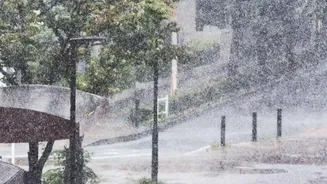
The period from October to December coincides with the northeast monsoon, which primarily affects India's southeastern coast, including Tamil Nadu and southern Andhra Pradesh. This season can bring heavy rainfall and is also the primary season for cyclonic storms to form in the Bay of Bengal. While forecasts for 2026 suggest normal rainfall for the southern peninsula, individual weather systems can still bring spells of heavy rain. For travellers heading to coastal destinations like Chennai or Puducherry, this means a risk of waterlogging and travel disruptions. It's essential to monitor weather alerts from the India Meteorological Department (IMD) and be prepared for last-minute changes to your plans if a storm develops.
Himalayan Snow and Cold Waves
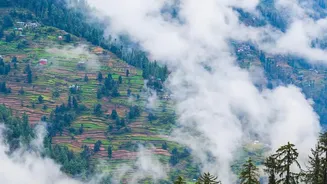
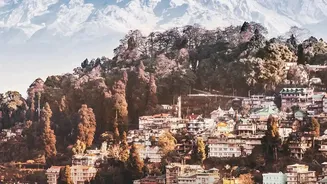
For those seeking a white holiday in the Himalayas, winter brings the allure of snow. Destinations in Himachal Pradesh and Uttarakhand become winter wonderlands. However, this also comes with risks. Heavy snowfall can block roads, leading to travel standstills and isolating popular tourist towns like Manali and Shimla. Cold wave conditions are also a factor, with temperatures dropping significantly, especially during the night. Forecasts for the upcoming winter suggest a likelihood of above-normal cold wave days in parts of northwest India. If you're planning a mountain trip, ensure your vehicle is prepared for snowy conditions, pack heavy winter clothing, and have a flexible schedule that can accommodate potential road closures.
Pleasant Weather in Central and Western India
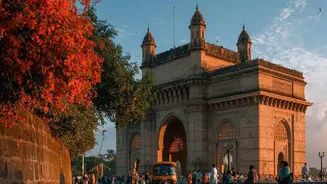
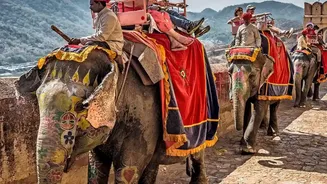
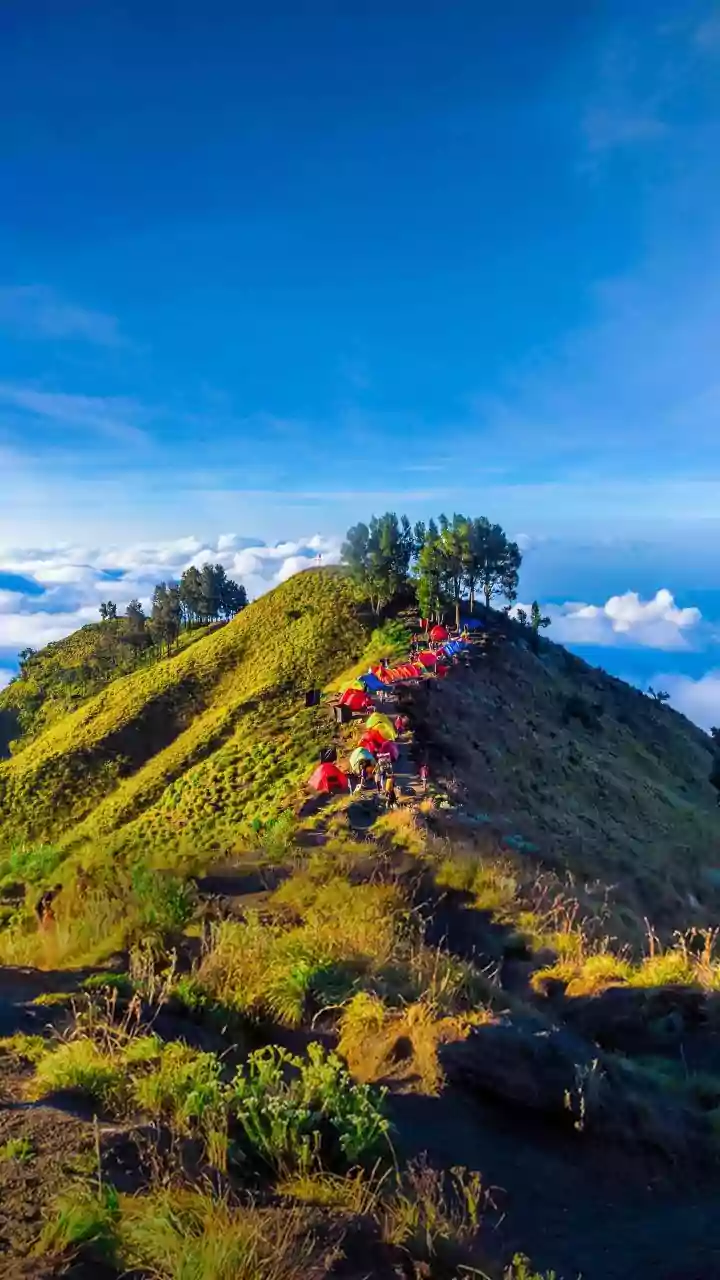
Not all regions pose a weather challenge. Much of central and western India, including Rajasthan, Gujarat, and Madhya Pradesh, typically enjoys pleasant and dry weather from October to March, making it an ideal time for tourism. Daytime temperatures are comfortable for exploring forts, palaces, and wildlife sanctuaries. However, travellers should not underestimate the temperature drop after sunset, especially in desert areas like Rajasthan, where nights can get surprisingly cold between December and February. While most of the country is predicted to have a drier-than-usual post-monsoon season, these regions remain a relatively safe bet for predictable and sunny holiday weather.
Smart Travel and Packing Tips
Regardless of your destination, a few key strategies can help you navigate weather-related uncertainties. First, always check the latest IMD forecasts before and during your trip. Second, consider booking flexible or refundable tickets for flights and trains, especially if travelling to a high-risk region. Packing should be region-specific: carry heavy woollens for the north and mountain regions, and a light jacket or umbrella for potential showers in the south. During major festivals like Diwali, airports and train stations become extremely crowded, and weather delays can amplify the chaos. Having a backup plan, staying updated on travel advisories, and maintaining a flexible mindset are your best tools for a smooth journey.