




The Science of Feeling Fuller for Longer
One of the most significant benefits of whole grains and pulses is their ability to increase satiety, or the feeling of fullness. This is largely thanks to their high dietary fibre content. Unlike refined carbohydrates, which are quickly digested and can lead
to a spike and crash in blood sugar, the fibre in whole grains and pulses slows down digestion. Soluble fibre, found in oats, barley, and beans, forms a gel-like substance in the stomach, which slows the absorption of sugar and helps you feel satisfied for longer. This slow release of energy prevents the dreaded post-meal slump and reduces cravings for unhealthy snacks between meals. Studies have shown that meals containing pulses can increase the feeling of fullness by over 30% compared to equivalent meals without them.
A Key to Stable Blood Sugar
The slow digestion of whole grains and pulses also means they have a low glycemic index (GI). Low-GI foods release glucose into the bloodstream gradually, preventing the sharp spikes in blood sugar associated with refined foods like white bread and sugary drinks. Maintaining stable blood sugar levels is crucial not just for individuals managing diabetes but for everyone. It provides sustained energy for daily activities, improves mood, and supports overall metabolic health. Regularly choosing low-GI foods like lentils, chickpeas, brown rice, and millet can lower the risk of developing metabolic diseases over time.
Unlocking a World of Variety
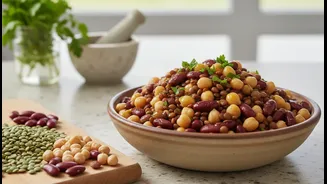
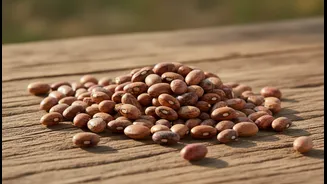
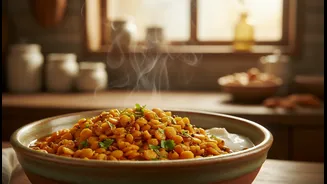
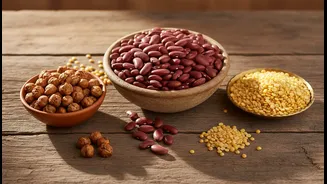
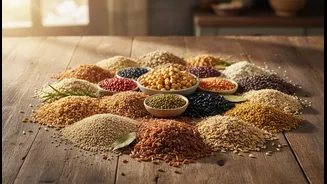
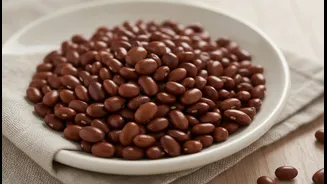
While wheat and rice are common, India has a rich heritage of diverse whole grains and pulses that can make meals more interesting and nutritious. Millets like jowar (sorghum), bajra (pearl millet), and ragi (finger millet) are packed with nutrients like iron, calcium, and protein. They can be easily used to make rotis, dosas, or porridge. Similarly, moving beyond the usual toor or moong dal can introduce new flavours and textures. Explore rajma (kidney beans), chana (chickpeas), or lobia (black-eyed peas) in your curries, salads, and snacks. Combining different pulses with grains creates a complete protein, providing all the essential amino acids your body needs, similar to animal protein.
Simple Swaps for a Healthier Plate
Incorporating more whole grains and pulses doesn’t require a complete dietary overhaul. Start with simple, sustainable changes. Swap your regular atta with a multigrain version that includes jowar, bajra, or ragi. Instead of polished white rice, try brown rice or a millet-and-rice khichdi. Add a handful of sprouts or boiled chana to your salads for extra crunch and protein. When making parathas, use a filling of sattu (roasted gram flour) or mixed dal instead of just potatoes. Snacks can also be upgraded; roasted makhana, peanuts, or chana are far more satisfying and nutritious than fried options. The goal is to gradually change the proportions on your plate to include more of these nutrient-dense foods in meals you already enjoy.
More Than Just Fibre
The benefits extend well beyond fibre and satiety. Pulses are an excellent source of plant-based protein, iron, zinc, and B vitamins. Millets are nutritional powerhouses, rich in antioxidants, magnesium, and phosphorus, which are vital for everything from heart health to energy metabolism. The combination of these foods provides a synergistic effect, enhancing nutrient absorption and supporting a healthy gut microbiome. The fibre in these foods acts as a prebiotic, feeding the beneficial bacteria in your gut, which is essential for good digestion and overall immunity.