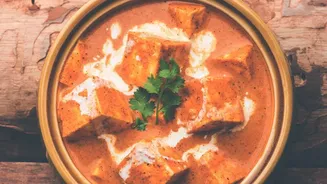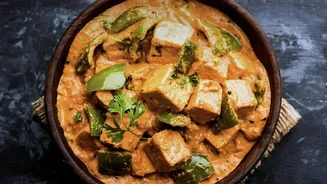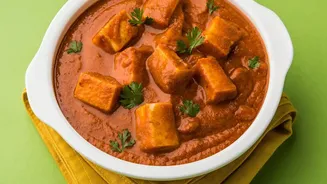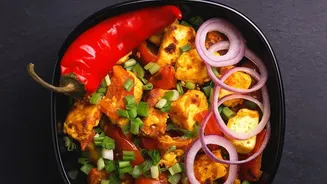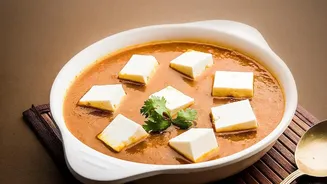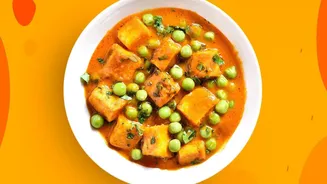




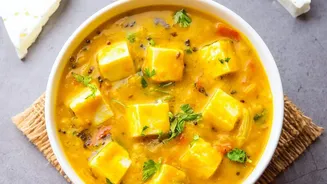
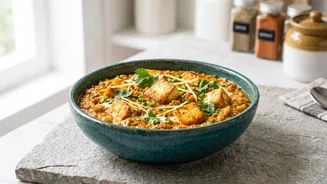
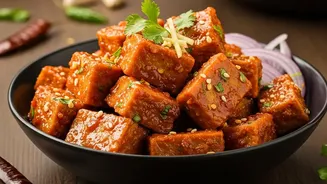
Craving a quick, flavour-packed snack that hits all the right notes? Enter Paneer Ghotala, a beloved street-food sensation from Surat. This messy, buttery, and spicy dish is pure comfort in a bowl and surprisingly simple to whip up at home.
The Story Behind the 'Ghotala'
Before you
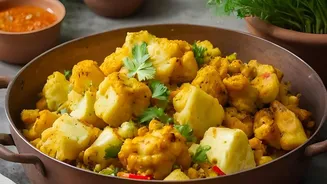
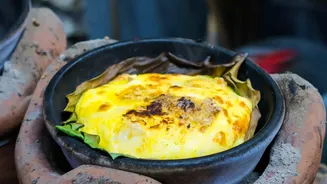
start cooking, it helps to understand the name. 'Ghotala' translates to 'mess' or 'scam' in Hindi and Gujarati. The name perfectly describes the dish's appearance—a delicious jumble of grated paneer, mashed vegetables, and rich, aromatic spices. Originally a vegetarian take on the popular 'Anda Ghotala' (egg ghotala), this paneer version has carved out its own legendary status on the bustling food streets of Gujarat. It’s a dish celebrated for its indulgent texture and bold flavours, traditionally cooked on a large flat griddle called a tawa, which adds a signature char and sizzle.
Essential Ingredients for Authenticity
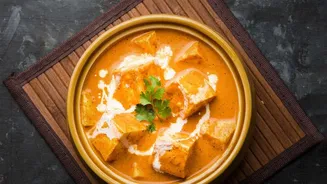
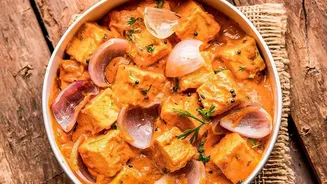
While recipes vary slightly, a few core components are non-negotiable for that true street-style taste. First is the paneer itself; use fresh, soft (malai) paneer for the best creamy texture. You'll need to grate it to achieve the signature 'bhurji' like consistency. The flavour base consists of finely chopped onions, tomatoes, and often capsicum. The real magic, however, lies in the spice blend. While standard spices like turmeric, red chilli powder, and coriander powder are used, the secret weapon is often Pav Bhaji Masala. This specific blend gives Ghotala its distinctive, tangy, and savoury street-food character. Finally, don't skimp on butter and a splash of cream or milk, which bring everything together into a rich, luscious gravy.
Mastering the Ghotala Method
The process is quick and forgiving. Start by heating a mix of oil and butter in a pan—using both prevents the butter from burning while delivering that classic flavour. Sauté finely chopped onions until they soften, then add ginger-garlic paste and green chillies. Next, add the tomatoes (pureed or finely chopped) and cook them down until the oil begins to separate from the masala base. This is a crucial step for developing a deep, rich flavour. Now, it's time for the dry spices. Add your chilli powder, turmeric, coriander powder, and a generous teaspoon of pav bhaji masala, stirring for a minute until fragrant. Finally, add the grated paneer, a splash of water or milk to adjust consistency, and mix vigorously, lightly mashing everything together with your spoon to create the 'ghotala' texture.
Tips for That Street-Style Edge
To elevate your homemade ghotala from good to great, a few pro tips make all the difference. Many street vendors add a small amount of besan (gram flour) to the masala, roasting it for a minute before adding liquids; this thickens the gravy and adds a nutty depth. Another key is using Kasuri Methi (dried fenugreek leaves); crushing them between your palms before adding them to the pan releases their aroma and adds a layer of complexity. For extra richness, some recipes call for a sprinkle of grated cheese mixed in at the end, allowing it to melt into the hot gravy. Don't be afraid to use a potato masher in the pan to gently break down the ingredients for a more cohesive, messy texture.
How to Serve Paneer Ghotala
The classic and most authentic way to serve Paneer Ghotala is with buttered and toasted pav (soft bread rolls). You can take it a step further by making 'masala pav': toast the pav on the same tawa used for the ghotala, pressing them into the leftover buttery, spicy masala. Garnish the ghotala generously with fresh chopped coriander, a dollop of butter, and perhaps some finely chopped raw onions for a crunchy contrast. A final squeeze of lemon juice cuts through the richness and brightens all the flavours. While pav is traditional, this versatile dish also pairs wonderfully with roti, paratha, or even just a simple slice of toasted bread.