




Beyond the Metro Monopoly
For decades, Indian fashion's nerve centre has been firmly planted in Mumbai and Delhi. But as the industry swells, a new creative wave is rising from cities like Jaipur, Bhubaneswar, Nagpur, and Ranchi. Unburdened by the high overheads and trend-chasing
pressures of the metros, a new generation of designers is building brands on their own terms. By setting up shop in Tier 2 cities, they gain direct access to artisanal clusters, fostering closer relationships with weavers and craftspeople. This proximity allows for a more organic design process, where the story of the fabric is as important as the final silhouette. It’s a move away from mass production towards creating something authentic and rooted in a specific place and culture. This shift is reshaping the geography of Indian fashion, proving that cutting-edge style can come from anywhere.
Not Your Grandmother's Saree
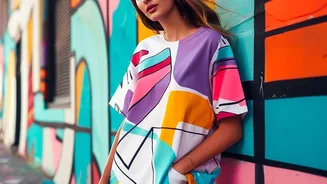
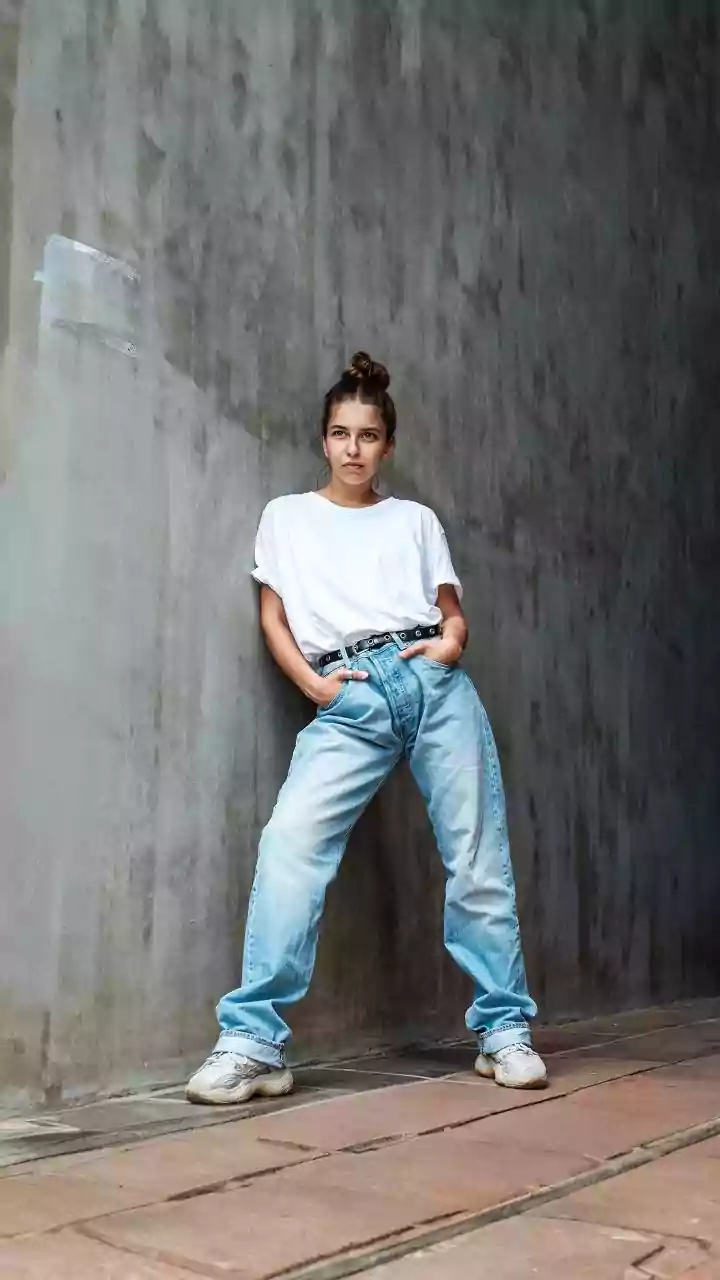
The most significant change these labels are driving is in perception. They are decoupling handloom from its traditional, occasion-wear-only image. Instead of intricate sarees and lehengas, think Sambalpuri Ikat bomber jackets, Khadi denim trousers, and block-printed bucket hats. These designers aren't just making ethnic wear more casual; they are integrating hand-woven textiles into global streetwear archetypes—the hoodie, the cargo pant, the oversized shirt. This fusion resonates deeply with a Gen Z and millennial audience that craves both individuality and sustainability. They want clothes that tell a story and carry meaning beyond a brand logo. By wearing an Ikat co-ord set with sneakers, they are making a statement that is simultaneously modern, global, and deeply Indian.
From Jaipur: A Royal Twist on Street Style
In Jaipur, a city synonymous with royal heritage and exquisite craft, young labels are repurposing these very traditions for the street. Instead of being confined to tourist shops, ancient techniques like Dabu and Bagru block-printing are finding their way onto gender-fluid jackets and relaxed-fit trousers. Brands are collaborating directly with local artisans, taking the centuries-old floral and geometric motifs of Rajasthani textiles and applying them with a minimalist, contemporary aesthetic. The result is clothing that feels both timeless and perfectly current, often sold through Instagram to a national audience. These Jaipur-based designers are proving that the city's craft legacy isn't a relic of the past but a living, evolving language for modern style.
From Bhubaneswar: Ikkat in the Concrete Jungle
Meanwhile, in Odisha, designers are taking the state's iconic Ikat—a GI-tagged textile known for its feathered, hazy patterns—and adapting it for urban life. One notable brand, Johargram, which champions the textiles of neighbouring Jharkhand, has become a torchbearer for this movement, creating classy streetwear that empowers local artisans. Similarly, Odia designers are transforming the complex weave, traditionally seen in sarees, into structured jackets, breathable shirts, and lifestyle accessories. They are playing with scale, using bold, graphic Ikat patterns on unisex pieces that appeal to a younger, trend-conscious consumer. This approach not only provides a new market for the master weavers of regions like Sambalpur but also introduces the craft to a generation that might not have otherwise engaged with it.
The Business of Authenticity
The success of these labels is powered by a distinctly modern business model. Most operate on a direct-to-consumer (D2C) basis, leveraging social media platforms like Instagram to build community and showcase their products. This digital-first approach allows them to bypass the traditional gatekeepers of the fashion industry—department stores and fashion weeks—and speak directly to their audience. It's a lean, agile way of doing business that prioritises storytelling and authenticity over large marketing budgets. By sharing the process behind the craft and the stories of the artisans they work with, these brands build a powerful connection with consumers who are increasingly looking for transparency and ethical production practices in their purchases.