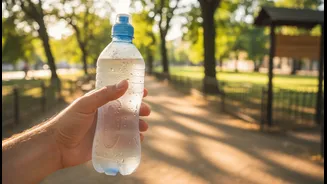









Hydration: More Than Just Water
Staying hydrated is the most critical rule of hot-weather travel, but it involves more than just drinking water when you feel thirsty. By the time thirst hits, you are often already mildly dehydrated. The goal is to drink fluids consistently throughout
the day. Carry a reusable water bottle and aim to drink every 30 to 45 minutes. While water is essential, heavy sweating also depletes your body of electrolytes like salt and potassium. Supplement your water intake with naturally replenishing options widely available in India, such as coconut water, buttermilk (chaach), and nimbu pani. These are more effective at restoring balance than sugary sodas or caffeinated drinks, which can actually contribute to dehydration. Eating fruits and vegetables with high water content like watermelon, cucumber, and oranges also helps you stay hydrated from the inside out.
Strategic Sightseeing: Timing Is Everything
The single most effective strategy for beating the heat is to restructure your day. Avoid being outdoors during the peak heat hours, typically between 12 PM and 4 PM. Plan your outdoor activities, such as visiting monuments or walking through markets, for the early morning (before 11 AM) or late evening (after 5 PM). This approach not only helps you avoid the most intense sun but also lets you experience popular sites with fewer crowds. Use the middle of the day for rest and recovery. This is the perfect time for a long, leisurely lunch in an air-conditioned restaurant, a visit to an indoor attraction, or simply returning to your hotel for a nap. A flexible itinerary that works with the weather, not against it, is key to an enjoyable trip.
Dress for Success: Fabric and Fit Matter
Your choice of clothing can dramatically impact your comfort level. Opt for lightweight, loose-fitting garments made from natural, breathable fabrics like cotton and linen. These materials allow air to circulate and sweat to evaporate, which is your body's natural cooling mechanism. Light-coloured clothing is also preferable as it reflects sunlight rather than absorbing it. Avoid synthetic fabrics like polyester, which trap heat and can become uncomfortable very quickly. Don't underestimate the power of accessories. A wide-brimmed hat provides crucial shade for your face and neck, while sunglasses protect your eyes. A lightweight cotton scarf or dupatta is incredibly versatile; it can be used for extra sun protection or dampened with cool water for instant relief.
Indoor Recovery: Your Midday Sanctuary
The midday hours are your opportunity to explore a different side of your destination—indoors. India's cities offer a wealth of air-conditioned escapes. Consider visiting a museum, such as the National Science Centre in Delhi, or an art gallery to soak up some culture while staying cool. Many cities also have modern shopping malls with food courts, cinemas, and even unique attractions. For more active indoor fun, you could try a bowling alley, an indoor trampoline park, or even an ice-skating rink, like those found in the NCR region. These indoor recovery periods are not wasted time; they are an essential part of your travel strategy, allowing your body to rest and recharge for evening explorations.
Know the Warning Signs: Heat Exhaustion vs. Heat Stroke
It is vital to recognize the symptoms of heat-related illnesses. Heat exhaustion often comes on first, with symptoms including heavy sweating, cool or clammy skin, dizziness, nausea, headache, and muscle cramps. If you or someone you're with experiences these signs, you must act immediately. Move to a cool, shaded, or air-conditioned place, loosen any tight clothing, and sip cool water or an electrolyte drink. Applying cool, wet cloths to the skin can also help. Heat exhaustion can progress to heat stroke if ignored. The signs of heat stroke are more severe and include a very high body temperature, hot and dry skin (the person may stop sweating), a rapid pulse, confusion, and potential loss of consciousness. Heat stroke is a life-threatening medical emergency that requires immediate professional medical help.