






The Unseen Contaminant in Your Pantry
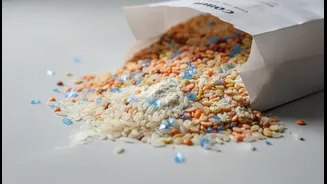
A recent study by the environmental research organisation Toxics Link has sent ripples of concern through Indian households. It revealed that all tested samples of salt and sugar—packaged, unpackaged, and from various brands—contained microplastics. These
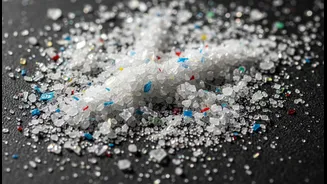
are tiny plastic particles, less than five millimetres in size, that originate from the breakdown of larger plastic items, synthetic fibres, and industrial waste. They are now found everywhere, from oceans to soil, and are making their way into our food chain. The study found these particles in forms like fibres, films, and fragments in the very ingredients we use for daily cooking.
How Pervasive Is the Problem?
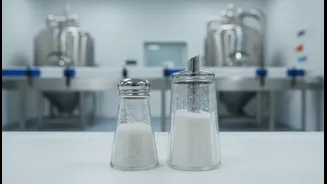
The Toxics Link study tested ten types of salt and five types of sugar, finding microplastics in every single one. The concentration varied, with iodised table salt showing the highest levels (around 89 pieces per kilogram) and organic rock salt showing the lowest (about 7 pieces per kilogram). For sugar, non-organic varieties contained more microplastics than their organic counterparts. Given that the average Indian's consumption of salt and sugar is higher than WHO recommendations, this contamination presents a continuous, low-level exposure that health-conscious individuals are unknowingly subjected to. The sources are numerous: plastic packaging, contamination during processing, and environmental pollution of raw materials like sea water for salt.
What Are the Health Implications?
This is the question on everyone's mind, but the scientific community is still building a complete picture. Current research is limited, but concerning. Microplastics themselves are often considered low in toxicity, but they can act like sponges, absorbing harmful chemicals, heavy metals, and pathogens from the environment and releasing them into our bodies. Studies have suggested potential links between microplastic exposure and health issues like inflammation, digestive problems, and disruption to the endocrine (hormone) system. Particles smaller than 20 micrometres may even penetrate organs, while the smallest nanoparticles could potentially cross into the brain or placenta, though more research is needed to confirm the long-term effects on humans.
A Dilemma for the Health-Conscious
For urban Indian families who invest time and money in maintaining a healthy lifestyle, this news is particularly jarring. They are already making conscious choices, from reading nutritional labels to seeking out natural and organic products. The discovery of microplastics in such fundamental ingredients undermines these efforts, creating a sense of frustration. It highlights a systemic problem that individual purchasing power cannot entirely solve. The very act of choosing a packaged, branded product for reasons of hygiene and safety is now complicated by the fact that this packaging and the industrial processes involved may themselves be sources of contamination.
Can You Reduce Your Exposure?
While eliminating microplastics entirely is currently impossible, you can take steps to minimise your intake. Opting for rock salt (sendha namak) over sea salt may be a prudent choice, as studies consistently show lower contamination levels in mined salts. Whenever possible, choose products packaged in glass or cardboard instead of plastic. At home, reduce your reliance on plastic kitchenware, especially for cooking and heating food. Store food in glass or stainless steel containers, and avoid microwaving food in plastic. These small changes in daily habits can collectively reduce your household's overall exposure.
Looking Beyond the Kitchen Shelf
Individual actions are important, but the issue of microplastics requires a larger, systemic solution. Regulatory bodies like the Food Safety and Standards Authority of India (FSSAI) have taken notice and launched projects to develop standardised methods for detecting microplastics in food and assessing exposure levels among the population. This is a crucial first step toward setting safety standards and holding manufacturers accountable. Public awareness and pressure for policy changes—such as reducing single-use plastics and improving waste management—are essential to tackle the problem at its source and ensure the safety of our entire food supply.