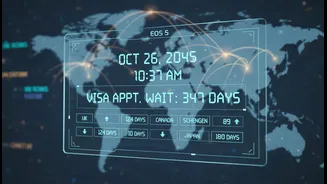









Why Wait Times Dictate Your Plans
Before you book flights or map out your American itinerary, understanding the U.S. visa appointment wait time is essential. This single piece of data determines your entire timeline. The wait time refers to the estimated number of calendar days from when
you pay your visa fee to the date of your in-person interview at a U.S. consulate or embassy. With demand from India at an all-time high, these waits can range from a few months to nearly a year for popular visa categories. Ignoring this initial check can lead to misaligned travel dates, non-refundable booking losses, and unnecessary stress. For students, it can mean missing an intake deadline, and for business travellers, a lost opportunity. Making this the first step of your planning process shifts you from being reactive to proactive.
How to Check Official Wait Times
Speculation and outdated forum posts can be misleading. The only reliable source for visa appointment wait times is the U.S. Department of State's official website. You can find this by searching for "U.S. Department of State Visa Appointment Wait Times." This tool provides estimates for various non-immigrant visa categories at every embassy and consulate worldwide. The table shows the estimated wait time in calendar days for an interview appointment. It's crucial to understand these are estimates that are updated periodically. The actual availability you see when you log in to the scheduling portal may vary. The official portal for scheduling in India is ustraveldocs.com, which you will use after filling out your DS-160 application and paying the fee. Always refer to these official sources, as they reflect the most current information based on consular workload and staffing.
A Look at India's Major Consulates in Mid-2026
As of July 2026, wait times for first-time B1/B2 visitor visa interviews vary significantly across India's five consular posts. These waits have seen substantial fluctuations, but recent data shows a clear pattern. Hyderabad and Mumbai currently have the longest average wait times, estimated at around 9.5 months. New Delhi follows with a wait of approximately 7 to 7.5 months. Applicants in Chennai face a shorter, but still considerable, delay of about 5.5 months. The consulate with the most favorable wait time is often Kolkata, with an estimated wait of around 4 months. It is important to note that these figures are for interview-required applicants. Student (F-1) and work visas (H, L) often have separate, prioritized queues with shorter waits, especially during peak seasons. Those eligible for an interview waiver, or 'dropbox,' face a much shorter process, typically between two to six weeks for their application to be processed and passport returned.
Strategies for Navigating Long Waits
While the numbers may seem daunting, applicants have several official strategies to manage long waits. The most important rule is to book the first available appointment, even if it is months away. Securing a slot gives you access to the rescheduling tool on the visa portal. Consulates regularly release new appointment slots due to cancellations or added capacity. Proactive applicants log in frequently—often at unconventional hours like late at night or early in the morning—to check for earlier openings and reschedule. Another powerful strategy is flexibility with location. An applicant from Mumbai, facing a 9.5-month wait, is permitted to book an appointment in Kolkata, where the wait might only be four months. For those with documented, urgent needs, such as a medical emergency or an imminent school start date, requesting an expedited appointment is an option after a regular appointment has been booked. Finally, carefully check your eligibility for an interview waiver, as this is the fastest route, though eligibility rules have become stricter.
Planning Beyond the Appointment Date
Securing an interview date is a major milestone, but it's not the end of the process. The wait time estimate only covers the period until your interview. After a successful interview, you must also account for visa processing and passport return. While many applicants receive a decision on the day of the interview, some cases may require further 'administrative processing,' which can add days or weeks. Following the interview, the printing of the visa and its dispatch via courier services can take several business days. You can track your passport's status on the same portal where you scheduled your appointment. Therefore, when planning your travel, it's wise to build a buffer of at least two to three weeks after your scheduled interview date to avoid any last-minute issues.