




Why Darkness Is Your Best Friend
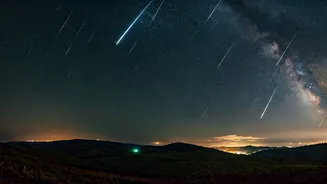
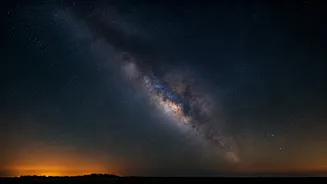
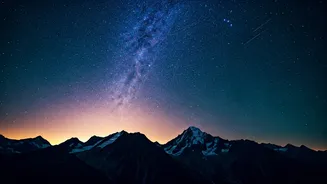
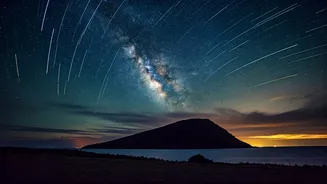
The single biggest obstacle between you and a spectacular meteor shower is light pollution. Streetlights, glowing office buildings, and the general haze of urban life create a bright veil that washes out the night sky. Most meteors are faint streaks of light,
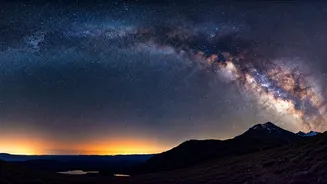
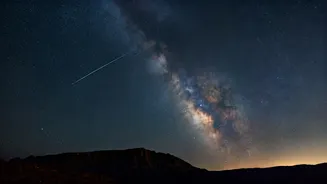
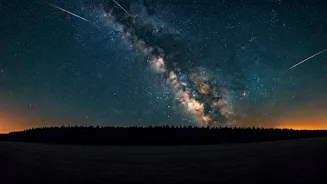
and they simply can’t compete. Seeing a meteor shower from a city is like trying to hear a whisper at a rock concert. You might catch a few of the brightest “fireballs,” but you will miss the dozens of fainter meteors that make the experience feel truly immersive. To see the show as intended, you need darkness. It takes about 20 to 30 minutes for your eyes to fully adapt to the dark, and only then will you begin to see the fainter meteors and the rich tapestry of stars they streak across.
Mark Your Calendar: India's Top 2026 Showers
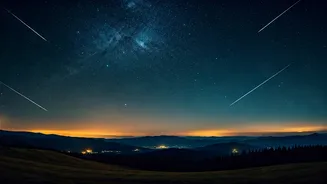
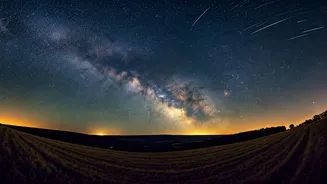
Not all meteor showers are created equal, and 2026 has two standout events for viewers in India, both with excellent moon conditions. First, the famous Perseids peak on the night of August 12-13. This shower can produce up to 100 meteors per hour and, crucially, the peak aligns with a new moon, promising perfectly dark skies. The main challenge for the Perseids in India is the monsoon, so the best viewing spots will be in drier regions like Ladakh, Spiti Valley, or parts of Rajasthan. The undisputed champion for India in 2026 is the Geminid meteor shower, peaking on the night of December 13-14. Clear post-monsoon skies are common across the country, and a faint crescent moon will set early, leaving the night dark for the main event. The Geminids are known for being bright and plentiful, with rates up to 120 meteors per hour from a dark location.
How to Find the Perfect Viewing Spot
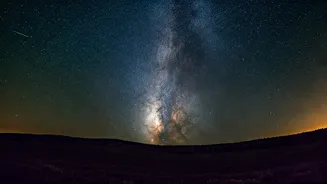
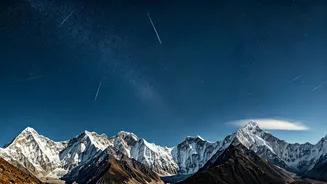
The rule of thumb is simple: drive away from the city in any direction for at least 60-90 minutes. Your goal is to find a location with a wide, open view of the sky, far from direct sources of light. National parks, forest reserves, and remote agricultural areas are excellent choices. For those seeking the absolute best experience, India has several world-class dark-sky locations. Hanle in Ladakh is India's first official Dark Sky Reserve, offering some of the clearest skies on the planet. Other prime locations include Spiti Valley in Himachal Pradesh, the Rann of Kutch in Gujarat, and Jaisalmer in Rajasthan. Even if you can't travel to a formal reserve, a local park, a quiet beach, or the outskirts of your town can offer a dramatic improvement over your rooftop.
Your Meteor Shower Checklist
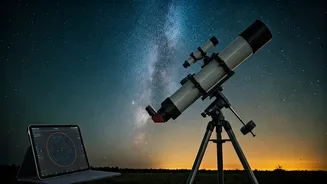
Once you have your spot, you don’t need any special equipment. In fact, telescopes and binoculars are not recommended for meteor watching because they restrict your field of view; your naked eyes are the best tool for the job. The key is comfort and patience. Lie back on a blanket, a reclining chair, or a yoga mat so you can look straight up without straining your neck. Dress in warm layers, as nights can get chilly even in summer. Bring along a thermos with a warm drink and some snacks. Most importantly, put your phone away. The bright screen will ruin your night vision, which is essential for seeing the fainter meteors. If you need a light, use a torch with a red filter to preserve your dark adaptation.