







Taming the Blood Sugar Rollercoaster
After you eat, your body breaks down carbohydrates into glucose, which enters your bloodstream. This causes your blood sugar levels to rise. In response, your pancreas releases insulin to help your cells absorb this glucose for energy. However, large,
quick meals can cause a sharp spike in blood sugar, followed by a crash that leaves you feeling tired and foggy. This is where a post-meal walk works its magic. When you engage in light physical activity like walking, your muscles need energy and begin to pull glucose directly from your bloodstream to fuel the movement. This process helps blunt the sharp rise in blood sugar, leading to more stable energy levels. Studies show that even a two- to five-minute walk can have a positive effect, but a 10- to 15-minute stroll offers significant benefits for managing these post-meal glucose peaks.
The Science of Muscle Contraction
The mechanism behind this is surprisingly direct. Exercise activates a pathway that allows your muscles to take up glucose without needing a large amount of insulin. Think of your working muscles as a sponge, soaking up the excess sugar from your meal before it has a chance to rise too high in your bloodstream. This not only helps prevent the immediate energy dip but also improves your body's overall insulin sensitivity over time. By making your body more efficient at using glucose, you reduce the strain on your pancreas and support long-term metabolic health. This is particularly beneficial for individuals looking to manage prediabetes or type 2 diabetes, as consistent post-meal walks can contribute to better glycemic control.
What About Muscle Soreness?
The headline's second claim, regarding muscle soreness, is more about relieving general stiffness and promoting recovery than curing intense, exercise-induced soreness. Sitting for long periods, especially after a meal, can lead to feelings of stiffness and achiness in the muscles and joints. A gentle walk increases blood flow throughout the body, delivering oxygen and nutrients to your muscles. This enhanced circulation can help alleviate the tightness that comes from inactivity. Furthermore, the gentle movement acts as a form of active recovery, helping to reduce the build-up of metabolic byproducts that can contribute to discomfort. While it won't erase the delayed onset muscle soreness (DOMS) from a strenuous gym session, a light stroll is an excellent way to combat the lethargy and physical stagnation that often follows a meal, keeping your body feeling limber and mobile.
Perfecting the Timing and Intensity
To get the most benefit for blood sugar control, timing is key. Research suggests the optimal window to start your walk is within 30 to 90 minutes after finishing your meal. This is when blood glucose levels are typically at their highest. Walking too long after this window means you'll have missed the peak, and the effect won't be as pronounced. As for intensity, a 'stroll' is the right idea. A light to moderate pace is all that's needed. You should be able to hold a conversation comfortably. The goal isn't a strenuous workout but consistent, gentle movement. Studies have shown that three separate 15-minute walks after meals can be just as effective at managing blood sugar over 24 hours as a single 45-minute walk.
How to Make It a Habit
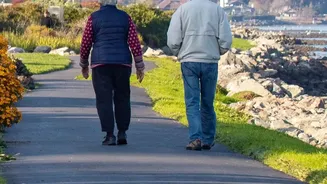
Incorporating this practice into your daily routine doesn't have to be complicated. If you're at work, use your lunch break to walk a few laps around the building or a nearby park. If you're at home, make it a habit to walk around the block right after dinner. You can even combine it with other activities, like walking the dog or listening to a podcast. The key is to start small and be consistent. Even a five-minute walk is better than none. By linking the new habit (walking) to an existing one (finishing a meal), you make it easier for your brain to adopt the routine. Focus on how you feel afterward—the steadier energy and reduced sluggishness will be your best motivation to stick with it.