




The 90-Minute Day
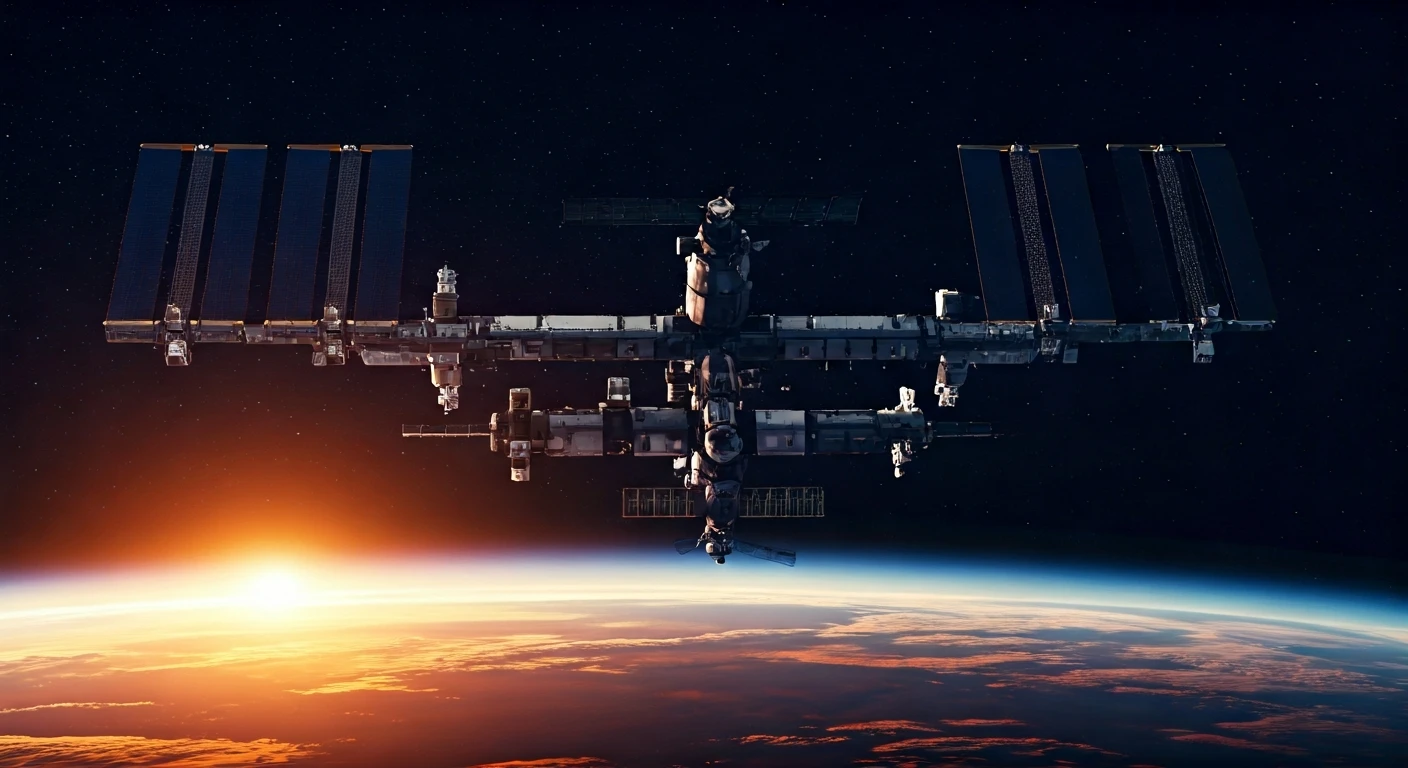
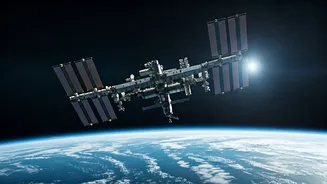
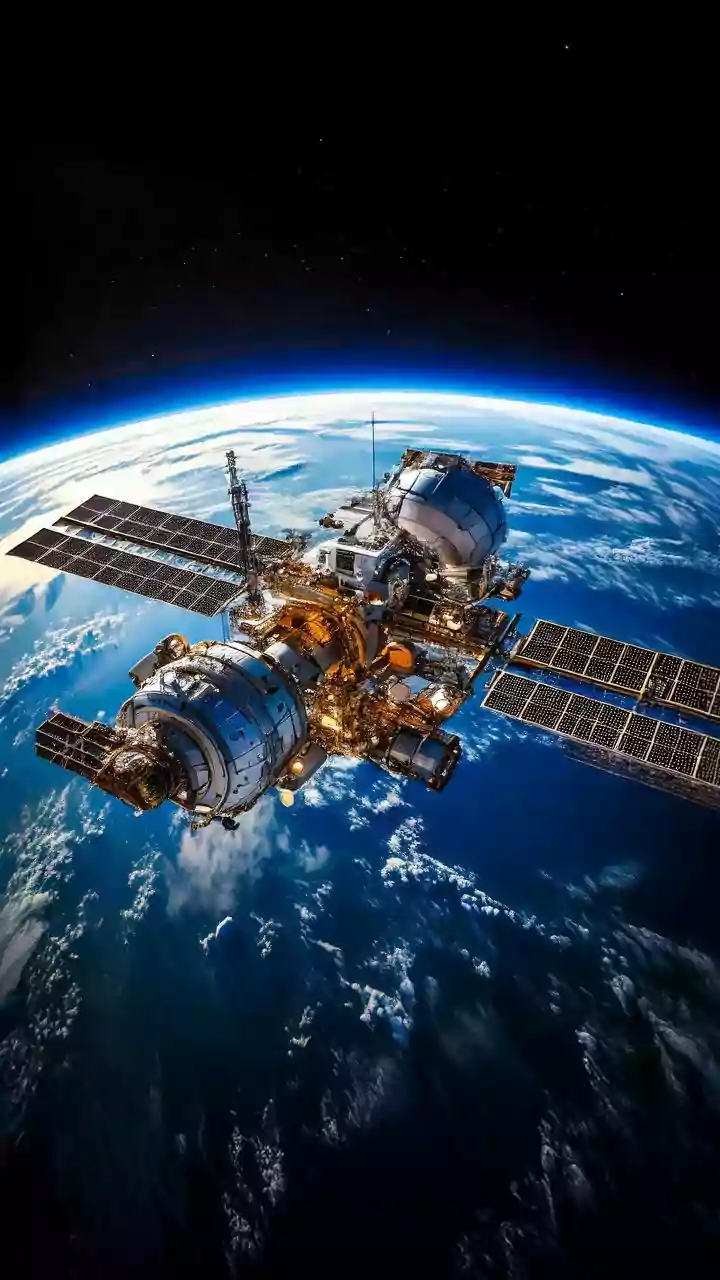
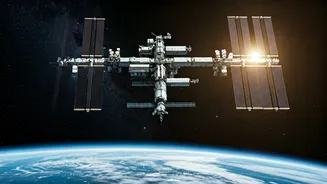
The core reason for this phenomenon is the incredible speed of the International Space Station (ISS). The station orbits the Earth at an altitude of about 400 kilometres, travelling at a blistering pace of roughly 28,000 kilometres per hour. That's about 8 kilometres every
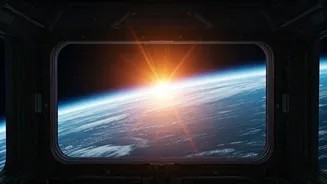
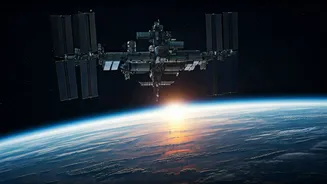
second. At this velocity, the ISS completes a full lap around our planet in approximately 90 minutes. As it circles the globe, it continuously passes from the sunlit side of Earth into its shadow and back again. Each of these transitions creates a sunrise or a sunset for the crew on board, culminating in about 16 of each every 24 hours.
A View From The Window
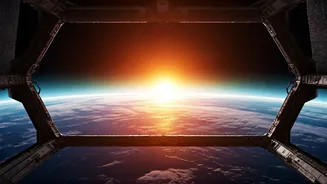
For the astronauts, this rapid cycle provides a visual experience few humans will ever witness. The entire event of a sunrise or sunset is compressed into just a few minutes. From the station's seven-windowed Cupola observatory, astronauts describe seeing the terminator—the line between day and night—sweep across the planet's surface. A thin, brilliant band of blue and orange light appears on the horizon, and then the sun either leaps above the curve of the Earth or plunges below it in a matter of moments. This breathtaking view offers a constant reminder of Earth's beauty and fragility, an experience often called the "overview effect."
Life on a Cosmic Clock
While visually stunning, living with 16 sunrises and sunsets presents a unique biological challenge. On Earth, our bodies are governed by a 24-hour cycle known as the circadian rhythm, which is regulated by light. The constant, rapid shifts between light and dark on the ISS would wreak havoc on an astronaut's internal clock, disrupting sleep and affecting performance. To counteract this, life on the station is meticulously scheduled. Astronauts follow a standardized 24-hour clock, Coordinated Universal Time (UTC), regardless of where they are over the planet. Their daily routines for work, meals, and rest are strictly planned to maintain a sense of normalcy.
Tricking the Body Into Sleeping
To further manage the disorienting light cycle, the ISS is equipped with specialized systems. The windows have shutters that can be closed to block out sunlight during scheduled sleep periods. Furthermore, the station's interior lighting has been upgraded to a tunable LED system. This system changes its colour and intensity throughout the UTC-based day, providing bluer, more energizing light during work hours and shifting to a warmer, reddish hue in the evening to help astronauts wind down. Despite these measures, sleep in space can still be challenging, with many astronauts reporting they get less sleep than their scheduled 8.5 hours. It's a constant adaptation to an environment for which the human body was not designed.
A Unique Perspective on Time
This orbital dance is more than just a peculiar fact; it fundamentally alters the human perception of time and place. While we on the ground experience the slow, steady progression of a single day, astronauts witness continents and oceans gliding by in minutes. Their unique vantage point allows them to observe global weather patterns, auroras, and the sprawling network of city lights on the night side of the planet. In the span of one 90-minute orbit, an astronaut might cross over Europe, the Sahara desert, and the Pacific Ocean. This experience provides a profound sense of Earth as a single, interconnected system without borders, a lesson brought home by every one of the 16 daily sunrises.