


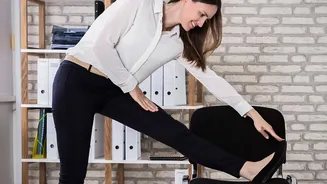


Being tied to a desk for hours can leave you feeling stiff, tired, and uninspired. The good news is you don't need a gym membership to counteract the effects of a sedentary job. Small, consistent movements can make a world of difference.
Embrace Micro-Breaks and Movement Snacks
The most crucial
step is to break up long periods of sitting. Research shows that prolonged sitting can increase the risk of various health issues, including heart disease and diabetes. Set a timer to remind yourself to stand up, stretch, or walk for a few minutes every hour. These 'movement snacks' boost circulation, improve focus, and prevent the stiffness that sets in from being in one position for too long. Instead of emailing a colleague, walk over to their desk. Take the stairs instead of the elevator. These small choices add up, turning your workday from sedentary to subtly active.
Master a Few Simple Desk Exercises
You don't need any equipment to get your blood pumping. Try incorporating a few bodyweight exercises into your breaks. Perform chair squats by hovering over your seat for a few seconds before sitting back down, which engages your leg and gluteal muscles. For your upper body, use your desk for pushups by placing your hands on the edge and leaning in. Another great option is tricep dips using a sturdy, non-wheeled chair; sit on the edge, place your hands beside your hips, and lower your body in front of the chair before pushing back up. Even simple calf raises while standing can improve circulation in your lower legs.
Turn Meetings into Motion
Not every meeting needs to happen in a conference room. Suggest 'walking meetings' for one-on-one discussions or brainstorming sessions. Walking can stimulate creativity and make conversations more dynamic. If you're on a phone call, use it as an opportunity to pace around your office or even march in place. This habit is an easy way to accumulate steps and break the monotony of sitting without interrupting your workflow. Using a headset frees up your hands and makes moving during calls much more manageable.
Prioritise Posture and Stretching
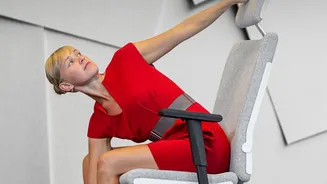
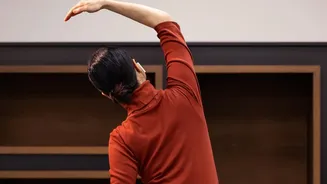
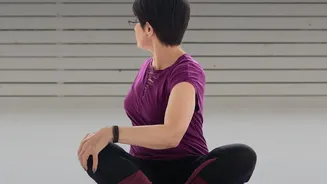
Hours spent hunched over a keyboard can lead to neck, shoulder, and back pain. Counteract this by performing simple stretches throughout the day. Try seated spinal twists by gently rotating your torso to look over your shoulder, using your chair for support. Open up your chest by clasping your hands behind your back and squeezing your shoulder blades together. Relieve neck tension with chin tucks and gentle head tilts. For your lower back and hips, the seated figure-four stretch—crossing one ankle over the opposite knee and gently leaning forward—is excellent for releasing tightness caused by sitting.
Hydrate and Reposition
Staying hydrated is key to maintaining energy and focus, and it can also encourage more movement. Keeping a water bottle at your desk prompts you to drink more, and getting up to refill it provides a natural, regular break. Beyond just standing up, make a point to change your position often. Fidgeting, shifting your weight, and doing ankle circles while seated can improve circulation and prevent your muscles from becoming static. If possible, an adjustable standing desk allows you to alternate between sitting and standing every hour, which can burn more calories and improve posture.