


Step 1: Designate and Prep Your Zone
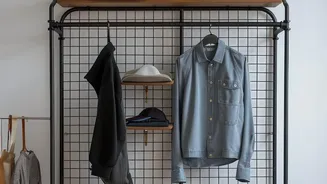
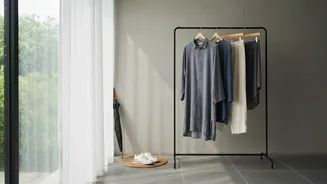
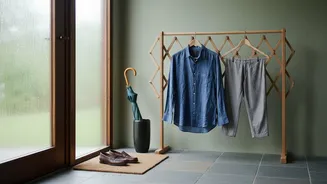
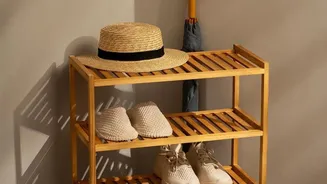
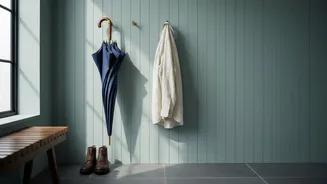
The first step is to decide where your monsoon station will live. This “drying zone” should be as close to your home’s entrance as possible to prevent water from being tracked through the house. An ideal spot might be a corner of your entryway, a covered
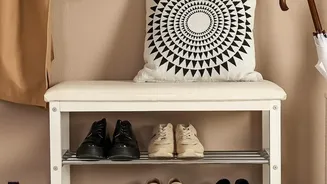
balcony, or a utility area. Once you’ve chosen your location, prepare it. Place a highly absorbent, non-slip doormat right at the door. Inside your designated zone, consider using a waterproof tray or a mat with a raised edge. These are excellent for catching drips from umbrellas and runoff from shoes, protecting your floors from water damage and preventing slips. For smaller apartments, even a small corner outfitted with a wall-mounted rack and a boot tray can serve as a highly effective drying zone. The key is to contain the mess to one manageable area.
Step 2: Solve the Umbrella Problem
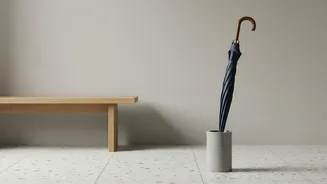
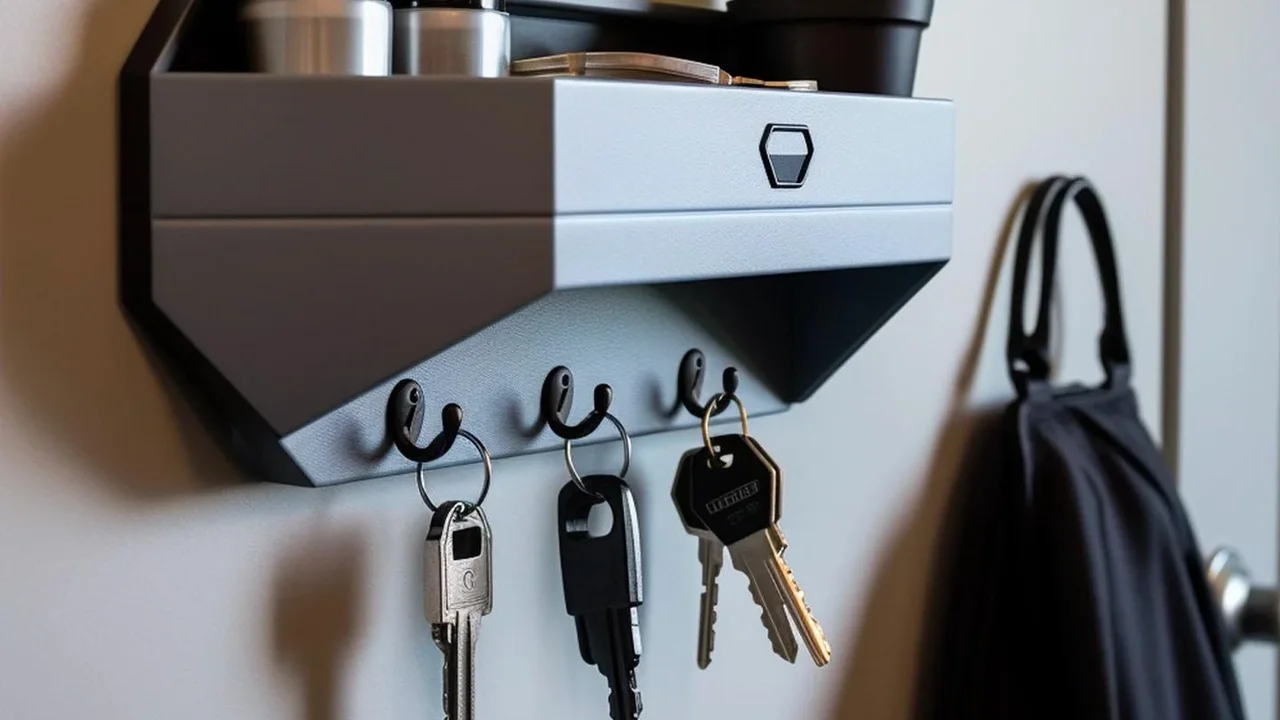
A wet umbrella left leaning against a wall is a puddle waiting to happen. Thankfully, umbrella storage has evolved beyond a simple bucket. For homes with enough floor space, a freestanding umbrella stand with a weighted base is a classic choice. Many modern designs come with excellent ventilation to help umbrellas dry faster and prevent musty smells. If floor space is a luxury, look to your walls. Wall-mounted umbrella holders are fantastic space-savers, often made of plastic or metal, and can be installed at the perfect height. Some even come with a small, detachable drip tray at the bottom for easy cleaning. For a truly minimalist approach, a few sturdy, well-placed hooks can work wonders. You can hang your folded umbrellas by their straps, allowing them to drip-dry directly onto the waterproof mat below. This keeps them off the floor and out of the way.
Step 3: Master Your Shoe-Drying Strategy
Soaked shoes are perhaps the biggest monsoon challenge, leading to bad odours and potential damage. The trick is to act fast. As soon as you take them off, wipe away any excess mud and water. Then, remove the insoles and laces if possible; this opens up the shoe and helps it dry faster from the inside out. The age-old method of stuffing shoes with crumpled newspaper is still one of the best. The paper absorbs a remarkable amount of moisture and helps the shoe keep its shape. Replace the damp newspaper every few hours. For faster drying, place the stuffed shoes in a well-ventilated area, preferably in front of a fan. Never place shoes, especially leather ones, in direct sunlight or use a hairdryer on high heat, as this can cause the material to crack and warp. Once mostly dry, a sprinkle of baking soda left overnight can absorb any lingering moisture and neutralise odours.
Step 4: Choose the Right Footwear
Prevention is always better than cure. Investing in the right footwear can make a world of difference. Materials like rubber, neoprene, and treated leather are naturally water-resistant and durable. Many brands now offer stylish waterproof shoes that use advanced materials like Gore-Tex, which block water from entering while allowing your feet to breathe. While materials like canvas and suede are best avoided on heavy rain days, some can be treated with water-repellent sprays for added protection. Applying a thin layer of petroleum jelly can also create a temporary water-resistant barrier on leather and synthetic shoes. A practical strategy for many office-goers is to wear rain-proof footwear like Crocs or rubber sandals for the commute and change into a pair of dry work shoes kept at the office.
Step 5: Keep It Clean and Mould-Free
A zone dedicated to drying wet things can quickly become a breeding ground for mould and mildew if not managed properly. High humidity is the main culprit. Ensure your drying zone has good air circulation. If it’s in an enclosed area, run a fan to keep the air moving or use an exhaust fan in a nearby bathroom or kitchen. On days when it isn't raining, open windows to air out the space. Regularly clean the boot trays and drip catchers to prevent standing water. Placing naphthalene balls or moisture-absorbing silica gel packets in your shoe storage area can also help combat dampness. These small maintenance steps will ensure your drying zone remains a clean, functional part of your home, not a source of musty smells.