




The Problem with Polished White Rice
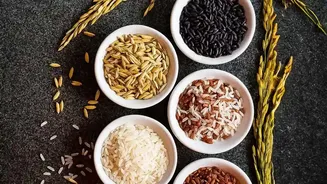
White rice is a beloved staple in countless Indian households. It's comforting, versatile, and easy to cook. However, the polishing process that gives it that pearly white appearance strips away most of its fiber, vitamins, and minerals. What’s left is primarily
starch, which breaks down quickly in the body. This leads to a rapid spike in blood sugar levels, often followed by a crash that leaves you feeling tired and hungry again soon after. For gut health, this lack of dietary fiber is a major drawback. Fiber is essential for promoting regular bowel movements and feeding the beneficial bacteria that live in our gut, which are crucial for overall health. A diet low in fiber can contribute to issues like constipation and an imbalanced gut microbiome.
Meet Foxtail Millet (Kangni): The Fiber Hero
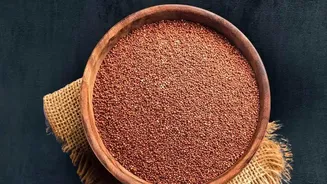
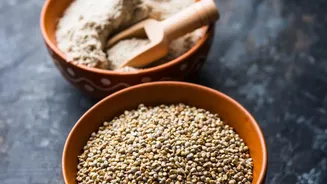
Enter foxtail millet, known as 'kangni' in Hindi or 'thinai' in Tamil. This tiny, golden grain is a nutritional powerhouse and a fantastic alternative to white rice. The most significant difference lies in its fiber content. Foxtail millet contains around 6.7 to 8 grams of dietary fiber per 100 grams, whereas polished white rice has a mere 0.2 to 0.4 grams. This high fiber content acts as a prebiotic, providing nourishment for your good gut bacteria and helping to maintain a healthy digestive system. Furthermore, foxtail millet has a low glycemic index (GI) of around 50, compared to white rice's high GI of over 70. This means it releases sugar into the bloodstream slowly, providing sustained energy without the sharp spikes and crashes associated with refined grains.
Say Hello to Sorghum (Jowar): The Nutrient-Dense Staple
Sorghum, or 'jowar', is another ancient grain making a well-deserved comeback. Like foxtail millet, it is naturally gluten-free and boasts an impressive nutritional profile. It is particularly rich in dietary fiber, with about 6 to 7 grams per 100 grams, which aids in digestion and promotes a feeling of fullness. Some of the starch in sorghum is also considered 'resistant starch', which escapes digestion in the small intestine and travels to the colon to feed beneficial gut microbes. This process can help improve the gut environment and support overall digestive wellness. Sorghum is also a good source of protein, iron, and antioxidants, making it a far more nutrient-dense choice than its polished white counterpart.
Making the Switch: Practical Tips and Simple Ideas
Incorporating foxtail millet and sorghum into your diet is easier than you might think. You don't have to give up your favourite dishes, just adapt them. A crucial first step for cooking most millets is to rinse and soak them. Soaking for at least 30 minutes for foxtail millet, and potentially longer for whole-grain sorghum, helps soften the grain, reduce cooking time, and improve digestibility.
Here are some simple ways to make the swap:
Start with a Blend: Begin by mixing 1 part millet with 3 parts white rice. Gradually increase the millet ratio as your family gets used to the new taste and texture.
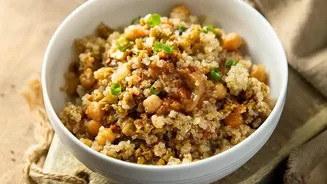
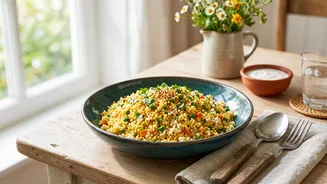
Millet Pulao or Biryani: Substitute rice with cooked foxtail millet in your favourite vegetable pulao recipe. Its slightly nutty flavour complements the spices beautifully.
Sorghum Upma: Use sorghum rava (semolina) instead of wheat rava to make a hearty and healthy upma for breakfast.
Pongal and Khichdi: Foxtail millet works wonderfully in dishes like Pongal or Khichdi, creating a creamy and comforting meal that is also incredibly nutritious.
* Millet Curd Rice: Use cooked and cooled little millet, which has a texture similar to rice, to prepare a refreshing curd rice.
Beyond Gut Health: The Bigger Picture
While the benefits for your gut are clear, the advantages of switching to millets don't stop there. The higher protein and fiber content in foxtail millet and sorghum helps increase satiety, meaning you feel fuller for longer, which can aid in weight management. Their low glycemic index is a significant boon for managing blood sugar levels, making them an excellent choice for individuals with diabetes or insulin resistance. Additionally, these grains are packed with essential minerals. Foxtail millet, for example, contains significantly more iron, calcium, and magnesium than white rice, which are vital for preventing anemia, maintaining bone health, and supporting overall bodily functions.