




A Trusted Source Under Scrutiny
The trust placed in sealed, packaged water has come under a microscope following recent actions by the Food Safety and Standards Authority of India (FSSAI). In November 2026, the regulator sanctioned prosecution against Bisleri International after a sample
of its packaged water was declared unsafe in laboratory tests. The initial finding cited excess levels of bromate, a disinfection byproduct, while a referral lab later detected polynuclear aromatic hydrocarbons (PAHs), a group of pollutants. This development involving a household name has triggered a wider response, with the FSSAI expanding its probe to collect and test samples from other packaged water brands across the country. The action highlights a critical reality: while consumers rely on bottled water to avoid contaminants in tap water, the packaged product itself is not immune to quality issues, making consumer awareness more important than ever.
Understanding the Rules: FSSAI and BIS
Two key bodies govern the safety of bottled water in India: the Bureau of Indian Standards (BIS) and the FSSAI. For years, BIS certification, indicated by the ISI mark on the label, has been the hallmark of quality. It specifies the standards for 'Packaged Drinking Water' (IS 14543) and 'Natural Mineral Water' (IS 13428). The FSSAI, meanwhile, issues the 14-digit license required for any food business operator to manufacture or sell these products. While the regulatory framework has seen changes, with FSSAI introducing its own comprehensive testing scheme in January 2026, the goal remains the same: to ensure water is free from harmful microbiological and chemical contaminants like heavy metals, pesticides, and bacteria. For consumers, the FSSAI license and the ISI mark remain the most visible indicators of a product that is meant to be compliant with national safety standards.
Your Pre-Purchase Safety Checklist
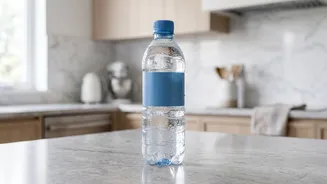
While regulators perform backend checks, the final line of defense is an alert consumer. Before you purchase a bottle of water, a few simple checks can significantly reduce your risk. First, always inspect the packaging. The bottle's seal should be completely intact; a loose cap or broken ring is a major red flag that the bottle may have been refilled. Next, check the label. It must clearly display the brand name, manufacturer's address, a manufacturing date, and a best-before date. Crucially, look for both the ISI mark and the FSSAI license number. Be wary of misspelled brand names like 'Bilseri' or 'Brislei', which are common fakes filled with unverified water. Finally, observe where the bottle is stored. Bottles kept in direct sunlight or high heat can degrade, potentially leaching chemicals from the plastic into the water.
The Urban Divide: Tier-1 vs. Tier-2 Cities
The challenge of finding safe bottled water varies across India's urban landscape. In Tier-1 metro cities like Delhi and Mumbai, consumer awareness is generally higher, and the market is dominated by established national brands. However, this is also where the demand is highest, driven by large populations and concerns over municipal water quality. In Tier-2 cities such as Jaipur and Ahmedabad, rising incomes and health consciousness are fuelling a boom in bottled water consumption. This rapid growth can create opportunities for unorganised or illicit local players to enter the market, potentially bypassing stringent safety protocols. Consumers in these emerging urban centres may face a greater risk of encountering counterfeit or substandard products, making label-checking and brand vigilance especially critical as the market expands.