







The Search for a Healthier Sip
In the endless quest for hydration, many of us reach for a fizzy drink. But the momentary satisfaction from a can of soda often comes with a hefty dose of sugar and empty calories, contributing to everything from energy crashes to weight gain. As more
people become conscious of what they consume, the search for healthier, yet equally satisfying, alternatives is on. Fortunately, the answer might be found in traditional Indian kitchens, where seasonal fruits have long been used to create beverages that cool, refresh, and heal.
Kokum: The Tangy Cooling Agent
Hailing from the Western Ghats, the deep purple kokum (Garcinia indica) is a beloved summer ingredient, especially in Konkan coastal cuisine. Traditionally known for its impressive cooling properties, it's an Ayurvedic favourite for balancing body heat (pitta dosha). Kokum is naturally low in calories and rich in antioxidants like garcinol and anthocyanins, which help combat cellular damage. It has also been traditionally used as a digestive aid, helping to alleviate acidity and bloating. The fruit contains Hydroxycitric Acid (HCA), a compound that some research suggests may help in weight management by promoting a feeling of fullness.
Jamun: The Nutrient-Rich Powerhouse
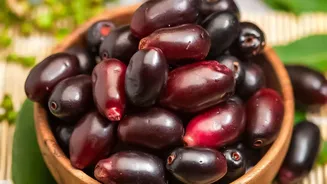
Jamun, or the Indian blackberry, is another seasonal gem celebrated for its unique sweet-and-tart flavour and extensive health benefits. It's a low-calorie fruit packed with essential nutrients, including iron, potassium, and vitamins A and C. This makes it excellent for boosting immunity and improving overall health. In traditional medicine, jamun is highly valued for its role in blood sugar management. The fruit and its seeds contain compounds that may slow the release of sugar into the bloodstream. Furthermore, its high iron content helps in purifying the blood and improving haemoglobin levels.
The Art of Cold Steeping
While kokum and jamun are often used to make boiled syrups or blended juices, cold steeping offers a simpler, gentler alternative. This method involves soaking the fruit in cold water for several hours. It slowly coaxes out the flavour and nutrients without using heat, which can sometimes degrade delicate vitamins and antioxidants. The result is a lighter, fresher-tasting infusion that captures the true essence of the fruit. It’s an incredibly easy, no-cook method that anyone can master.
How to Make Cold-Steeped Kokum Cooler
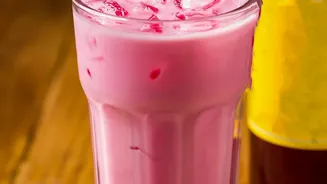
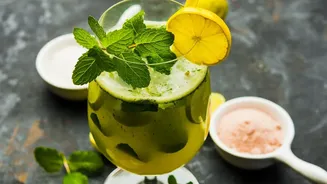
This drink is tangy, refreshing, and a beautiful ruby hue. You will need about 8-10 dried kokum rinds. Simply rinse the rinds and place them in a large jar with one litre of cold water. Let it steep in the refrigerator for at least 4-6 hours, or overnight for a stronger flavour. After steeping, the water will have turned a vibrant reddish-pink. You can gently squeeze the rinds to release more flavour before removing them. Stir in a pinch of black salt and roasted cumin powder. If you prefer it sweeter, add a small amount of jaggery or a healthy sweetener of your choice, but its natural tartness is often enough. Serve chilled, garnished with a sprig of mint.
How to Make Cold-Steeped Jamun Cooler
This cooler is sweet, slightly astringent, and a stunning deep purple. Take one cup of fresh, ripe jamuns. Wash them thoroughly and remove the seeds. Lightly mash the pulp with a fork to help release the juices. Place the mashed fruit in a jar with one litre of cold water. Allow it to steep in the refrigerator for 2-4 hours. The water will take on the fruit's deep colour and flavour. Strain the mixture, pressing the pulp to extract all the liquid. For extra flavour, add a squeeze of lemon juice and a pinch of black salt. Like the kokum cooler, it can be enjoyed as is or with a touch of natural sweetener if desired. Serve cold over ice.