






A Mountain to Climb
The second Test of the series began as a nightmare for India. Buoyed by centuries from Jesse Ryder and Ross Taylor, New Zealand piled up a mammoth 619 for 9 declared. The Indian batting line-up, in response, crumbled under pressure. Despite a fighting
76 from Rahul Dravid, the visitors were bundled out for just 305. Facing a colossal deficit of 314 runs, New Zealand captain Daniel Vettori promptly enforced the follow-on. With nearly three days left in the match, India had to bat out of their skins to salvage a draw and keep their 1-0 series lead intact. The task seemed impossible; the stage was set for a humbling defeat.
The Wall of Napier
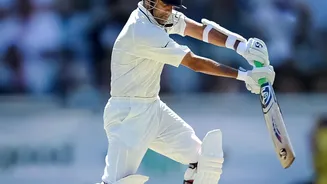
Enter Gautam Gambhir. Walking out to open the second innings alongside Virender Sehwag, the left-hander knew this was no time for his usual flair. This was a battle for survival. After Sehwag’s early departure, Gambhir found a steadfast partner in Rahul Dravid. Together, they understood the need of the hour: occupy the crease, blunt the Kiwi attack, and, most importantly, consume time. Gambhir transformed from a dashing stroke-maker into a paragon of defensive grit. He shelved his attacking instincts and focused entirely on presenting a dead bat, frustrating the bowlers hour after hour. His partnership with Dravid was not about scoring quickly but about building a foundation of resistance that would give India a glimmer of hope.
A Marathon of Mind Over Matter
Gambhir's innings was a masterclass in concentration and endurance. For 643 minutes—almost 11 hours—he stood as an immovable object. He faced 436 deliveries, each one a small victory against a Kiwi attack growing increasingly desperate on a flat pitch. He built crucial partnerships, first a 133-run stand with Dravid (62), then 97 with Sachin Tendulkar (64), and another 96 with VVS Laxman. His focus was so intense that teammates later recalled he barely spoke a word for hours, completely absorbed in the battle. Recently, Gambhir revealed that he listened to the 'Hanuman Chalisa' during his innings to maintain his zone of immense concentration. It was this mental fortitude that turned an individual effort into a match-saving epic.
Denying the Inevitable
When Gambhir was finally dismissed for 137, the game was already in its 160th over. He had batted through Day 3, the entirety of Day 4, and into the final day. By the time he walked back to the pavilion, he had steered India from the brink of certain defeat to a position of safety. His marathon knock had drained the hope and energy from the New Zealand team. VVS Laxman then took over, compiling an elegant unbeaten century (124), and with support from Yuvraj Singh (54), India finished on 476 for 4 when the match was declared a draw. What seemed destined to be an innings loss had been converted into a legendary display of defiance.
The Draw That Forged History
This incredible draw did more than just save face; it was the critical result that enabled India to achieve a historic milestone. By preventing a New Zealand victory in Napier, India preserved their 1-0 lead in the three-match series. After the third Test in Wellington also ended in a draw, India officially clinched the series 1-0. This was India’s first Test series victory on New Zealand soil in 41 years, the last one coming under the captaincy of Mansoor Ali Khan Pataudi way back in 1968. Gambhir’s heroic resistance was not just about saving one match; it was the cornerstone of a celebrated chapter in Indian cricket history.