




The Instagram Trap
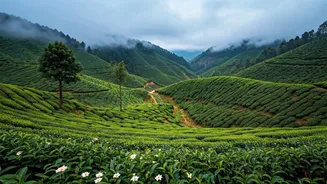
We’ve all been there. A stunning photo of a misty hill station or a pristine beach appears on social media, and suddenly, everyone is flocking there. More than 89% of Indian travellers now use platforms like Instagram and YouTube for travel inspiration.
This creates a powerful cycle of hype, where destinations become popular simply because they are popular, leading to overcrowding and often, disappointment. The problem is that a perfect photo doesn't show the reality of a three-hour traffic jam, a hotel booked at surge pricing, or, most importantly, the weather. The curated perfection online often sets unrealistic expectations, causing travellers to overlook practical details that can make or break a trip.
When Reality Bites: Weather's Upper Hand
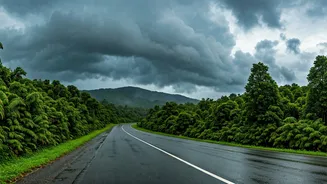
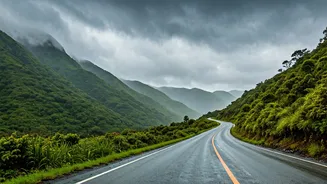
India’s climate is diverse and, at times, extreme. Ignoring it can have serious consequences. Planning a trip to the Himalayan foothills during peak monsoon, for instance, isn't just inconvenient—it's dangerous due to the risk of landslides. Similarly, a summer trip to the deserts of Rajasthan can be unbearable with temperatures soaring above 45°C. Even popular spots like Goa can be uncomfortable in peak summer due to extreme humidity. In recent days, airlines like Akasa Air and SpiceJet have issued travel advisories for flight delays due to heavy rains in hubs like Mumbai, showing how weather can disrupt plans before you even leave home. The beautiful monsoon waterfalls in Lonavala or Mahabaleshwar often come with weekend stampedes, overflowing dams, and routine parking snarls, turning a scenic escape into a stressful ordeal.
Make the Forecast Your Co-Pilot
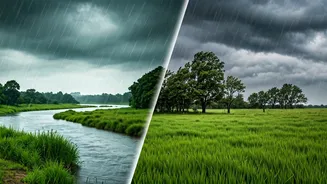
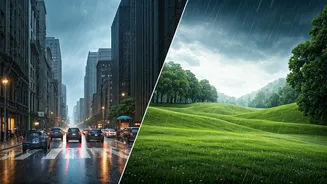
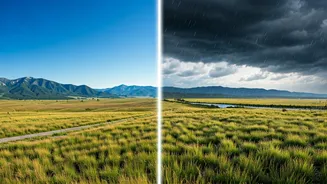
Shifting your planning strategy is simple: start with the weather. Instead of picking a place and hoping for good weather, check the forecast first and then choose a destination that suits the conditions. Reliable sources like the India Meteorological Department (IMD) website offer detailed, state-wise forecasts. Modern weather apps can also provide hourly updates on temperature, humidity, and precipitation, allowing you to plan activities smartly. This doesn't mean you can only travel on perfectly sunny days. It's about working with the weather, not against it. A forecast of light showers might be perfect for exploring a city's museums and cafes, while a cool, overcast day is ideal for a long trek you’ve been putting off.
Embrace the Season, Discover a Gem
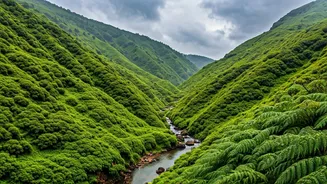
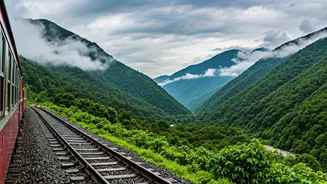
The best travel experiences often come from embracing a season for what it is. The monsoon, for example, is often seen as an 'off-season', but it transforms certain regions into lush paradises. Instead of fighting the rain in a city, head to places that come alive with it. The Western Ghats, including destinations like Munnar in Kerala, Coorg in Karnataka, and Malshej Ghat in Maharashtra, are breathtakingly beautiful during the monsoon, with full-flowing waterfalls and vibrant green landscapes. These areas are often less crowded and more affordable during this time. Similarly, the shoulder seasons of autumn (October-November) and spring (February-March) offer pleasant weather in many parts of the country without the peak season crowds. By letting the season guide you, you can discover underrated destinations like Ziro Valley in Arunachal Pradesh or the tranquil beaches of Gokarna, Karnataka.
Your New Pre-Travel Checklist
Before you click 'book', run through these weather-centric questions: 1. What is the 7-day forecast for the region? Look beyond just sun or rain icons—check humidity, wind speed, and 'real feel' temperatures. 2. Is this a peak weather season for this area? (e.g., peak monsoon in a landslide-prone area, or peak heat in a desert). 3. What are the road conditions like during this season? A quick search can reveal potential closures or hazards. 4. Are key attractions open and accessible? Some parks, trails, or activities may close during extreme weather. 5. What kind of clothing and gear are essential? Packing for 35°C with high humidity is very different from packing for a dry 35°C.