







From Tourist Traps to Tranquil Retreats
There's a growing fatigue with over-tourism. For many young Indians, the appeal of popular, 'Instagrammable' spots is fading, replaced by a desire for peace and quiet. This shift is partly a reaction to the noise of daily urban life and the often-overwhelming
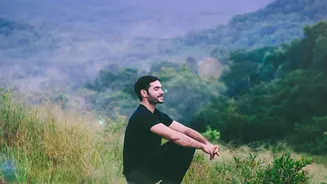
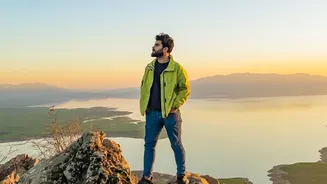
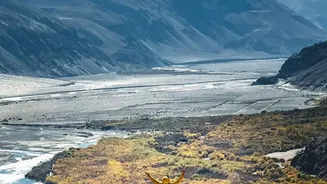
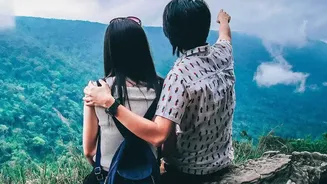
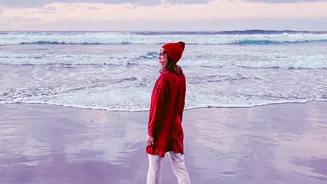
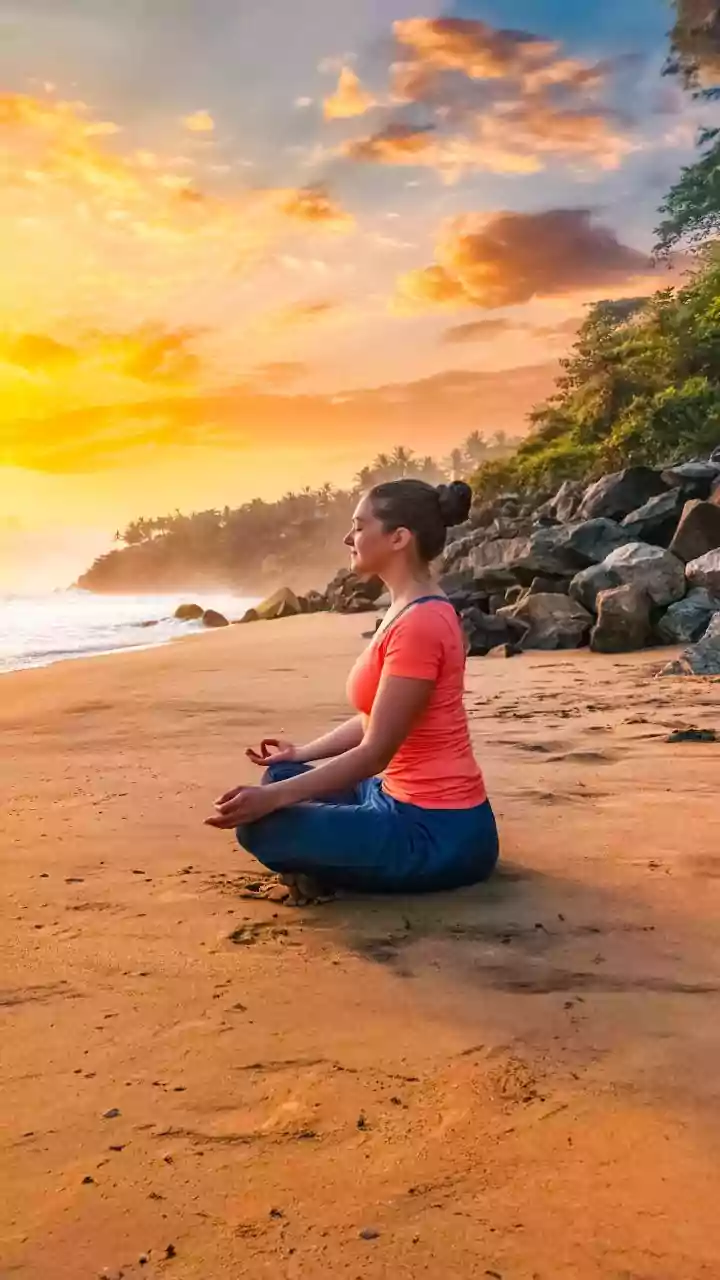
crowds at major destinations. Travellers are actively seeking places where they can disconnect and recharge. This search for serenity is leading them to remote Himalayan villages, quiet coastal towns, and secluded homestays where the main attraction is the absence of a crowd. The goal is no longer just to see a place, but to truly experience its atmosphere without the filter of mass tourism.
A Newfound Hunger for Heritage
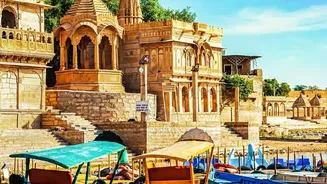
Beyond the major forts and palaces, a deeper interest in local history and culture is taking root. Young travellers are exploring lesser-known historical sites, like the Chalukya temple circuits in Karnataka or the ancient ruins of Hampi. This isn't just about architecture; it's about connecting with the stories and traditions of a place. According to recent reports, a significant majority of Indian travellers are now choosing destinations primarily for their cultural offerings. This has sparked interest in immersive experiences like heritage walks, tribal festivals in the Northeast, and craft villages where traditions are alive and accessible. The appeal lies in witnessing culture in its authentic setting, not as a performance for tourists.
The Search for Authentic Experiences
For Gen Z and millennials, authenticity is the new currency. This generation values genuine, immersive encounters over perfectly curated photo opportunities. They are more likely to stay in a local homestay than a luxury hotel, learn a regional recipe, or explore a village on foot. This approach is about creating personal and meaningful travel stories. The rise of social media plays a role, but in a new way; instead of just replicating famous shots, travellers are seeking to share unique, 'unfiltered' moments from offbeat locations. This trend is pushing hospitality businesses to evolve, moving from simply providing a room to creating an entire ecosystem around the traveller’s journey.
Destinations on the Rise
So, where are these travellers going? The map is incredibly diverse. In the Northeast, places like Ziro in Arunachal Pradesh and the Mon district in Nagaland offer a glimpse into unique tribal cultures. Down south, the quieter side of the Andaman Islands and the forests of Wayanad in Kerala provide an escape without the crowds of more famous counterparts. In states like Gujarat and Madhya Pradesh, spectacular but less-visited heritage sites like Palitana and Orchha are gaining traction. Even spiritual hubs like Varanasi are being rediscovered by young travellers seeking a blend of culture and history, demonstrating that 'unexplored' can also mean seeing a familiar place in a new, more personal way.
The Practical Side: Budget and Flexibility
This trend isn't just driven by wanderlust; it's also practical. Offbeat destinations are often more budget-friendly, offering affordable accommodation and local food, which is a major factor for a cost-conscious generation. Furthermore, the rise of remote work has untethered many young professionals from the office, allowing for longer, more flexible trips. They can blend work with travel, spending weeks or even months in a quiet corner of the country. This shift towards shorter, more frequent getaways also favours exploring nearby, lesser-known locations rather than planning one large, conventional holiday a year.