



Conduct a Thorough Leak and Damage Inspection
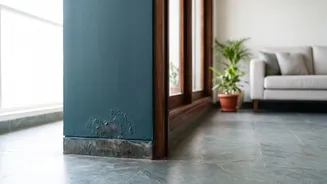
The monsoon is the ultimate stress test for a building's structural integrity. Now that the rains have eased, it's the perfect time to play detective. Walk through your home and carefully inspect ceilings, corners, and window sills for any signs of water
stains, damp patches, or peeling paint. These are tell-tale signs of leaks or seepage that might have gone unnoticed during the downpours. Pay close attention to exterior-facing walls. Make a detailed list, with photos, of any cracks in the walls or signs of water entry. This documentation is crucial, not just for your own records, but for when you communicate with your landlord about necessary repairs.
Prioritise Drying and Tackling Dampness
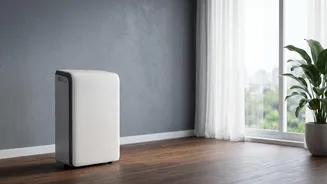
Lingering moisture is the biggest post-monsoon problem, creating a perfect breeding ground for mould and mildew, which can trigger allergies and respiratory issues. Your first line of defence is ventilation. On dry, sunny days, open all windows and doors to allow fresh air to circulate and drive out the dampness. For wardrobes and cupboards that have been closed up, leave them open to air out. If you notice a persistent musty smell or see visible mould spots (often black or green), it's important to act fast. A solution of white vinegar and water can be used to clean affected non-porous surfaces. For persistent issues, consider using a dehumidifier to actively pull moisture from the air.
Launch a Pest Control Offensive
The rainy season forces many pests to seek shelter indoors. Cockroaches, ants, termites, and even rodents are common unwelcome guests after the monsoon. The post-monsoon period often sees a surge in their activity as they thrive in the damp conditions left behind. Start by deep-cleaning your kitchen, ensuring no food crumbs or stagnant water is left out. Check damp areas like under the sink and storage cupboards. Seal any visible cracks or holes around pipes and drains where pests might enter. If you notice signs of termites, such as mud tubes on walls or hollow-sounding wood, it's a serious issue that requires immediate attention.
Check on Wooden Furniture and Doors
Wood naturally absorbs moisture from the air, causing it to swell during the monsoon. This is why doors and windows often get stuck and become difficult to shut. Now is the time to check all your wooden furniture, doors, and window frames for any signs of swelling, warping, or mould growth. Wipe down all wooden surfaces with a dry, clean cloth. If a door is still sticking, don't force it. Allow it to dry out naturally as the humidity drops. This is also a good time to check for termites, which are particularly drawn to damp wood.
Inspect Electrical Fittings for Safety
Water and electricity are a dangerous combination. Dampness can penetrate walls and affect electrical wiring, creating a significant safety hazard. Perform a visual check of all switches, outlets, and visible wiring for any signs of moisture or damage. If you've noticed any flickering lights or sparking switches during the monsoon, do not ignore them. Electrical safety is paramount, and any suspected faults should be reported to your landlord immediately so a professional electrician can inspect the system. Avoid using any outlets that show signs of water damage.
Communicate with Your Landlord for Major Repairs
As a tenant, you are responsible for minor upkeep, but the landlord is typically responsible for major structural repairs. This includes issues like significant leaks, widespread dampness, faulty wiring, and major plumbing problems. Under India's Model Tenancy Act, 2021, landlords are obligated to keep the property habitable. After your inspection, compile your list of issues, complete with photos, and send it to your landlord in writing. A clear, documented request is the most effective way to get repairs addressed. If the landlord fails to act, tenants may have the right to undertake essential repairs themselves and deduct the cost from the rent, up to a certain limit.