
The Return to Nutritional Roots
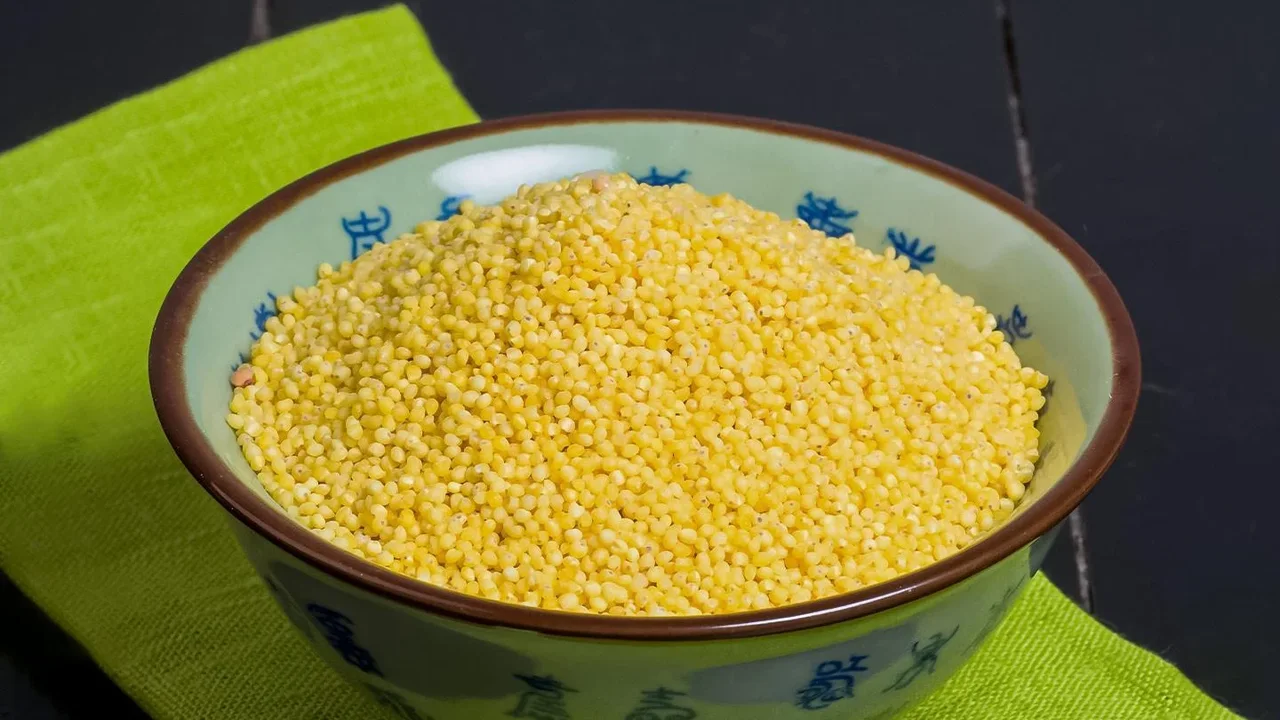
In a world increasingly focused on wellness and mindful eating, many are looking past refined wheat to rediscover the wholesome goodness of millets. These small-seeded grasses, cultivated in India for centuries, are nutritional powerhouses. Unlike processed
wheat flour, millets are packed with dietary fiber, which aids digestion, helps regulate blood sugar, and keeps you feeling full for longer. They are also naturally gluten-free and boast a higher concentration of essential minerals like iron, magnesium, and calcium, making them a smart choice for a balanced diet. This shift isn't about ditching tradition but enhancing it, one nutritious roti at a time.
Jowar (Sorghum): The All-Rounder
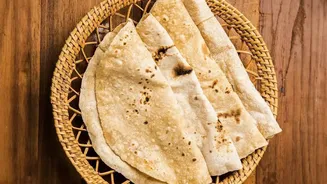
Jowar, or sorghum, is one of the most popular millet flours, especially in Maharashtra, Karnataka, and Gujarat. Known for its light colour and mild, slightly sweet taste, it's an excellent starting point for anyone new to millets. Jowar rotis, often called bhakri, are soft and light. This flour is rich in protein, fiber, and iron. Because it's gluten-free, the dough isn't as elastic as wheat. The key to a soft jowar roti is using hot water to knead the dough, which helps create a more pliable texture. These rotis pair beautifully with almost any dal or sabzi, making them a versatile substitute for wheat chapatis.
Bajra (Pearl Millet): The Winter Warmer
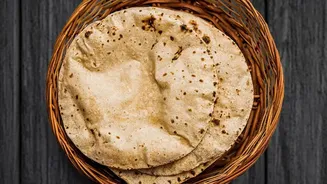
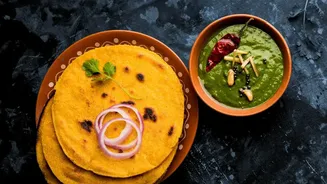
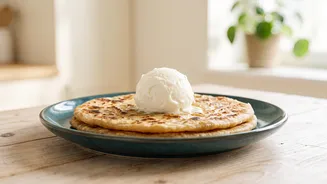
With its distinctive greyish hue and earthy flavour, bajra is a beloved staple in the arid regions of Rajasthan and Gujarat. Traditionally consumed during winter, pearl millet is known for its warming properties. It is incredibly rich in iron, magnesium, and fiber. Making bajra roti can be tricky, as the dough can be crumbly. Many traditional recipes recommend patting the rotis into shape by hand rather than rolling them. A popular way to enjoy bajra roti is fresh off the tawa with a dollop of white butter (makkhan) and a piece of jaggery (gur), a combination that perfectly complements its rustic taste.
Ragi (Finger Millet): The Nutrient Powerhouse
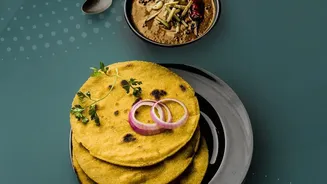
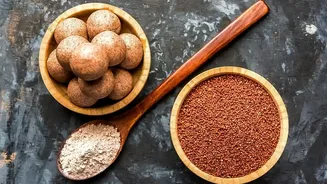
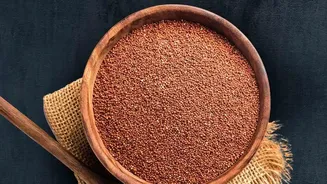
Ragi stands out for its deep brown colour and impressive nutritional profile. It is a phenomenal source of calcium, containing significantly more than wheat, making it excellent for bone health. It's also packed with iron and fiber. While its flavour is more pronounced and nuttier than other millets, it creates rotis that are both delicious and incredibly nourishing. Due to its dense nature, ragi flour is often mixed with wheat or jowar flour to achieve a softer texture. Ragi rotis are commonly eaten in South India and are a fantastic way to boost the nutrient content of your daily meals, especially for children and the elderly.
Tips for Making Perfect Millet Rotis
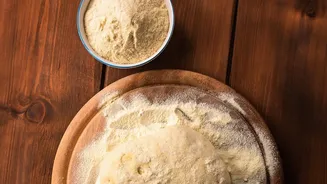
Working with gluten-free flours requires a slightly different approach than wheat. The number one rule for soft millet rotis is to use hot, often boiling, water for kneading. This process helps gelatinize the starches in the flour, making the dough more flexible and less prone to cracking. Don't be afraid to knead the dough while it is still warm, as this improves its pliability. If you find rolling difficult, try placing the dough ball between two sheets of parchment paper or a plastic sheet to prevent sticking and breaking. You can also add a small amount of oil, ghee, or even mashed boiled potato to the dough for extra softness and binding. With a little practice, you'll master the art of making soft, wholesome millet rotis.