



Meet the Cruciferous Powerhouses
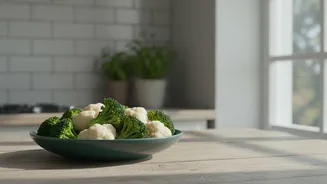
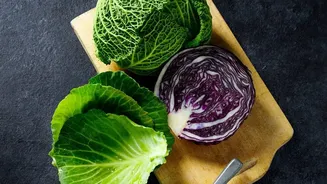
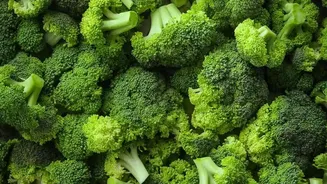
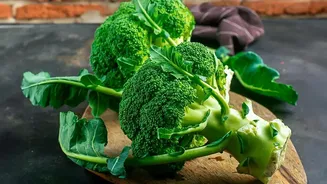
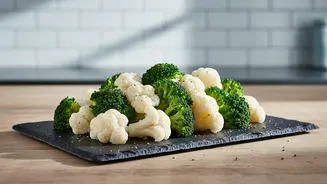
First, let's talk about what cruciferous vegetables are. This is a large and diverse family of plants known for their impressive health benefits. You are likely already eating many of them. The group includes popular staples like broccoli, cauliflower,
cabbage, and kale, as well as Brussels sprouts, bok choy, and even radishes. They get their name from the Latin for "cross-bearing" because their four-petaled flowers resemble a cross. These vegetables are nutritional stars, packed with vitamins like folate and vitamin K, plus a healthy dose of fibre. More importantly, they are rich in special plant compounds that have been studied for their protective properties.
The Protective Power of Polyphenols
One of the key groups of beneficial compounds in these vegetables is polyphenols. Think of polyphenols as a plant's personal defence system, protecting it from harm. When we eat plants rich in these compounds, they extend their protective benefits to us. Polyphenols are powerful antioxidants, meaning they help neutralise harmful molecules called free radicals in our bodies. This action can reduce inflammation and protect our cells from damage, which is linked to a lower risk of chronic conditions like heart disease and type 2 diabetes. They are a major reason why a diet rich in colourful fruits and vegetables is so good for our long-term health.
The Trouble with Boiling and High Heat
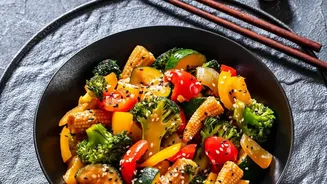
Here's where things get tricky. While cruciferous vegetables are full of goodness, that goodness can be delicate. Many beneficial compounds, including polyphenols and water-soluble vitamins like Vitamin C, are sensitive to both heat and water. When you boil vegetables like broccoli or cabbage, you're exposing them to high temperatures while submerging them in water. This combination can cause a significant loss of nutrients. These compounds can break down under the heat or simply leach out into the cooking water, which most of us then pour down the drain. Studies have shown that boiling can lead to major losses of Vitamin C and other valuable components. Other high-heat methods, like stir-frying at very high temperatures, can also degrade these sensitive compounds.
Why Steaming is the Superior Method
This is where steaming comes to the rescue. Steaming uses a different kind of heat transfer. Instead of submerging the food, steaming cooks vegetables with the hot vapour from boiling water below. This approach is much gentler. The vegetables are not in direct contact with the large volume of water, which dramatically reduces the chance for water-soluble nutrients to leach away. While the temperature is high enough to cook the vegetables and make them tender, it is generally lower and less harsh than aggressive boiling or frying. Multiple studies have confirmed this, showing that steaming is the best cooking method for retaining key nutrients in broccoli, including Vitamin C and important compounds like glucosinolates. In some cases, steaming can even make certain compounds more available for our bodies to absorb.
How to Steam Like a Pro
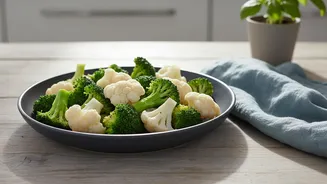
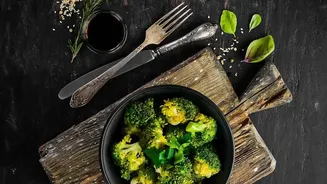
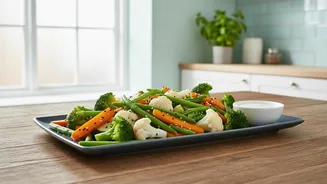
The good news is that steaming is incredibly simple. All you need is a pot, a little water, and a steamer basket. The key is to keep the vegetables above the water level, not in it. Bring about an inch of water to a boil, place your chopped veggies in the basket, cover, and let the steam do its work. The goal is to cook them until they are 'tender-crisp'—cooked through but still with a bit of a bite. This usually takes just a few minutes. For broccoli and cauliflower florets, aim for around 5-7 minutes. Overcooking can still lead to nutrient loss and a mushy texture, so keep a close eye on them. The vegetables should be vibrant and bright in colour, a sure sign that you’ve preserved their flavour and nutritional integrity.