



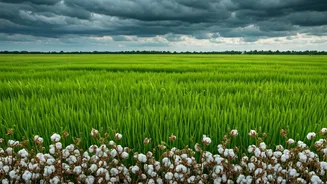
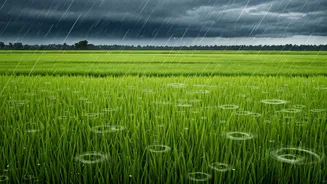



The Monsoon's Agricultural Counterpart
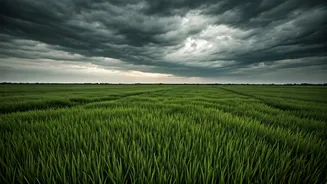
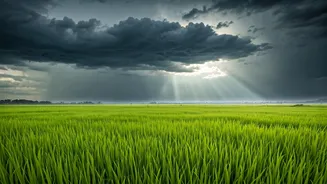
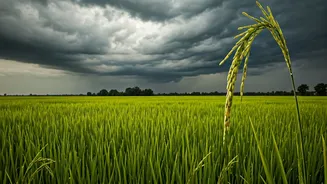
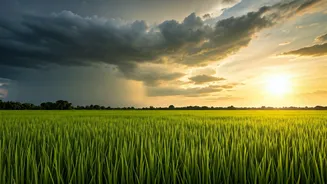
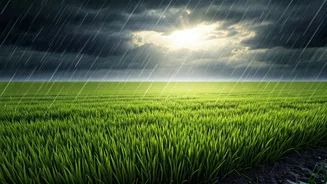
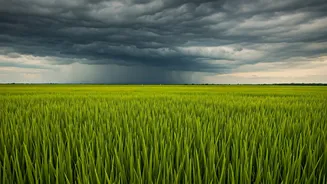
The Kharif season, also known as the monsoon crop season, is intrinsically linked to the arrival of the Southwest Monsoon. The term 'Kharif' has its roots in Arabic, meaning 'autumn', which is when the crops are typically harvested. Sowing begins in June
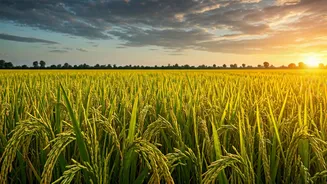
and July as the rains advance, and harvesting takes place between September and October. This season is characterised by hot and humid conditions, which are ideal for a specific set of crops that thrive on significant rainfall. For a vast portion of India's agricultural land that is rain-fed, the performance of the monsoon isn't just a weather forecast; it's a lifeline that dictates the success or failure of the entire season.
The Harvest that Feeds a Nation
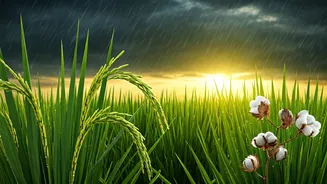
Kharif crops are the backbone of India's food security. The most significant among these is rice (paddy), a staple food for a majority of the population and one of the most water-intensive crops. Beyond rice, the season yields a diverse array of other essential crops. These include maize (corn), millets like jowar and bajra, which are crucial for food and fodder in drier regions, and various pulses such as moong and arhar (tur), which are vital sources of protein. The Kharif season also produces major commercial or cash crops, including cotton, the lifeline of the textile industry, and oilseeds like soybean and groundnut, which are critical for India's edible oil supply.
An Economic Powerhouse
The importance of the Kharif season extends far beyond the fields. It is a formidable engine of the Indian economy. The agricultural sector's performance during these months has a direct impact on the country's GDP, rural employment, and income levels for millions of farmers. A bountiful harvest helps to keep food prices stable, control inflation, and boost rural demand for goods and services. Conversely, a poor Kharif season due to erratic rains can lead to crop failures, increased farmer distress, and a ripple effect across the broader economy. The arrival of the harvest in October also marks a critical period for agricultural trade, as large volumes of rice, cotton, and oilseeds enter domestic and international markets.
A Season of Modern Challenges
Despite its foundational importance, the Kharif season is fraught with increasing uncertainty. Climate change has made monsoon patterns more erratic, leading to either prolonged dry spells or intense, flooding rains, both of which can devastate crops. The 2026 season has begun with significant concerns, as emerging El Niño conditions and a slow start to the monsoon have led to forecasts of below-normal rainfall. As of late June 2026, Kharif sowing was significantly behind the previous year's pace due to a major rainfall deficit, prompting the government to advise farmers to delay planting. This unpredictability, coupled with challenges like access to credit, pest management, and fluctuating market prices, puts immense pressure on farmers.