


The Snake Plant (Sansevieria)
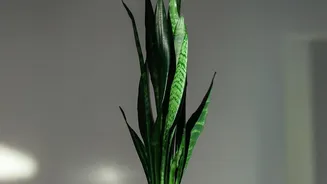
Often called the mother-in-law's tongue, the snake plant is nearly indestructible, making it perfect for beginners. Its stiff, upright leaves add a touch of modern elegance to any room. During the monsoon, this plant is particularly resilient. It thrives
in the humid conditions and can tolerate the lower light levels common during overcast days. Snake plants are excellent air purifiers, removing toxins from the air. They require very little water, a key advantage during the damp monsoon months when overwatering is a major risk. Let the soil dry out completely between waterings; its thick leaves and roots store water efficiently, making it quite drought-tolerant.
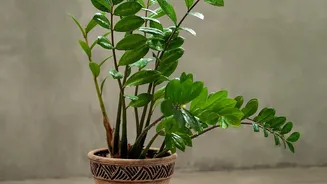
The ZZ Plant (Zamioculcas zamiifolia)
If you're looking for a plant that thrives on neglect, the ZZ plant is your answer. With its wide, dark green, glossy leaves, it adds a lush, tropical feel to your home. It’s a favourite in Indian apartments because it can handle low light and irregular watering. The monsoon's high humidity is no problem for the ZZ plant, which naturally prefers humidity levels around 40-60%. Its underground rhizomes store water, meaning you should water it even less during the rainy season—perhaps only once every two to three weeks. Overwatering is its biggest enemy, so always check if the top few inches of soil are dry before giving it a drink.
The Money Plant (Epipremnum aureum/Pothos)
No Indian home is complete without a money plant, and for good reason. This versatile vine is incredibly easy to grow and is believed to bring good fortune. Money plants love the high humidity that the monsoon brings, making it an ideal time for them to flourish. They are not fussy about light, thriving in bright, indirect sunlight but also tolerating low-light corners. You can grow them in soil or just a bottle of water. During the monsoon, if your plant is in soil, be careful not to let it get waterlogged. Allow the top inch or two of the soil to dry out before watering again. Its trailing vines can be trained along walls or left to cascade from hanging baskets, adding a touch of green drama.
The Peace Lily (Spathiphyllum)
For those who want a flowering plant, the Peace Lily is an excellent monsoon companion. It loves high humidity, so it will feel right at home during the rainy season. In fact, the extra moisture in the air can help it produce its elegant white blooms. Peace Lilies are also great communicators; their leaves will visibly droop when they need water, taking the guesswork out of your watering schedule. They prefer bright, indirect light but can adapt well to shadier spots, which is perfect for gloomy monsoon days. Beyond its beauty, the Peace Lily is a powerful air purifier, known for filtering common indoor pollutants.
The Spider Plant (Chlorophytum comosum)
The Spider Plant is a resilient and cheerful addition, known for its arching leaves and the little 'babies' or plantlets that dangle from the mother plant. These plants are fantastic for beginners as they are tolerant of a wide range of conditions, including the fluctuating moisture and light of the monsoon. They do well with average to high humidity and prefer their soil to dry out slightly between waterings. Being slightly root-bound can encourage them to produce more of their signature plantlets, which are incredibly easy to propagate into new plants. Like many others on this list, the spider plant is also a certified air-purifying powerhouse.