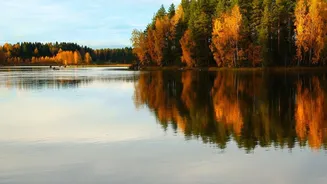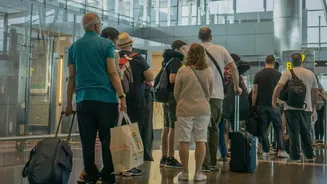




The idea of Finland often conjures images of silent, snow-dusted forests and tranquil lakes under the midnight sun. But a different reality is emerging as tourism booms, creating surprising congestion in the very places people go to escape it all.
The Myth of Untouched Wilderness
For
decades, Finland’s brand has been built on space, silence, and serenity. Its vast network of 41 national parks and the magical allure of Lapland have promised an escape from the noise of modern life. This promise of solitude is a powerful draw for travellers worldwide, seeking authentic nature experiences, from hiking through pristine forests to witnessing the ethereal dance of the Northern Lights. The image is one of boundless nature where humans are but quiet observers. This reputation is well-earned, with landscapes that can feel profoundly empty and restorative. However, the secret is out, and the growing popularity of these natural wonders is creating a paradox: the collective search for solitude is inadvertently leading to crowds.
The New Reality: A Seasonal Squeeze
The notion of overtourism now extends to the edge of the Arctic Circle. In Finnish Lapland, the winter high season, particularly around Christmas, sees an incredible influx of visitors. Rovaniemi, the self-proclaimed ‘official hometown of Santa Claus’, swells with tourists, with visitor numbers at peak times reaching ten times the local population. This creates not just a festive buzz but also tangible congestion, with packed attractions, booked-out accommodations, and strain on local services. But it isn't just a winter phenomenon. In summer, popular national parks like Pallas-Yllästunturi, Finland's most visited, and Nuuksio, near Helsinki, experience overflowing car parks and crowded trails as hikers flock to enjoy the long daylight hours. This seasonal pressure has become a noticeable issue, transforming once-quiet natural havens into bustling hotspots.
What Is Driving the Crowds?
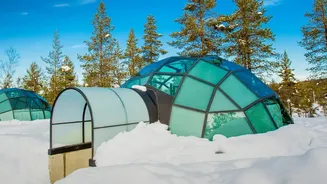
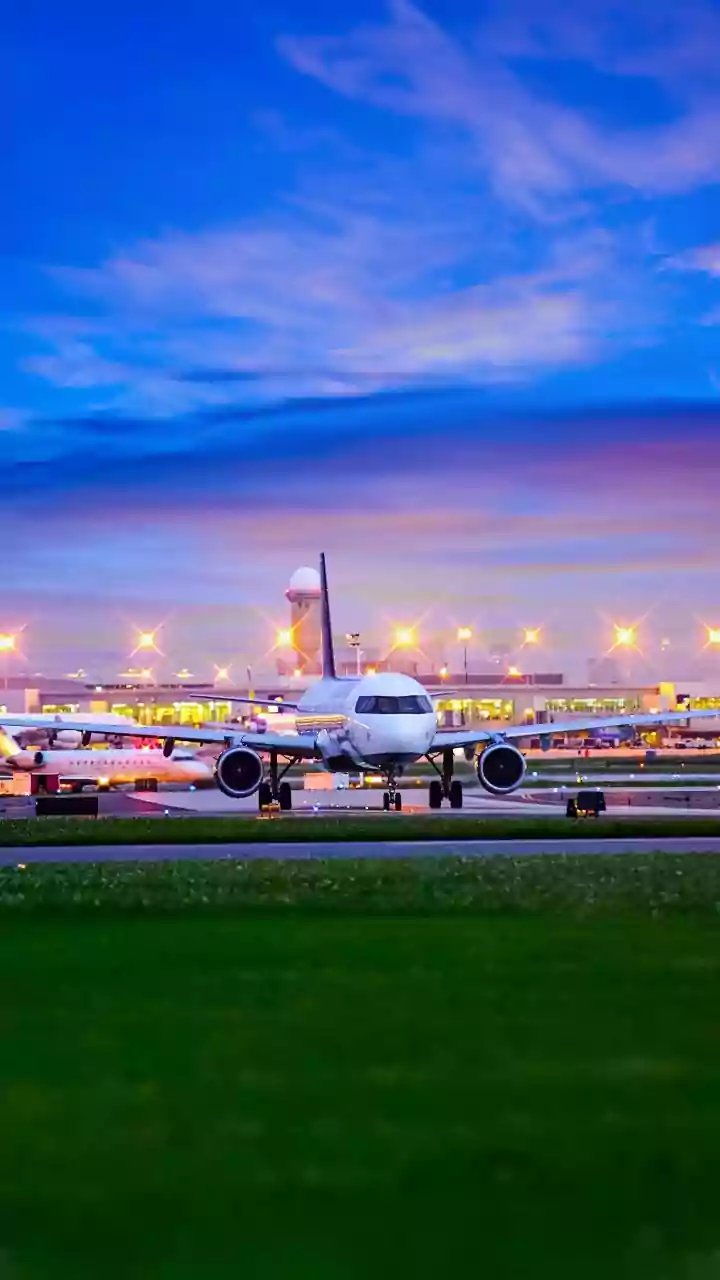
Several factors are fueling this surge. The global fascination with the Northern Lights and the Santa Claus mythos has made Lapland a bucket-list destination. This has been amplified by social media, where images of glass igloos and reindeer sleigh rides create powerful incentives to visit. Increased accessibility plays a huge role; direct flights from major European hubs to Lapland’s airports, like Kittilä and Rovaniemi, have made getting there easier than ever. Tourism in Lapland has been growing rapidly, with a boom in international arrivals from the UK, Germany, and France turning it into a billion-euro industry. Following the global pandemic, there has also been a renewed interest in outdoor recreation, pushing visitor numbers in national parks to record highs as people seek open spaces.
The Strain on Serenity and Infrastructure
This rapid growth is not without consequences. For locals in places like Rovaniemi, the tourism boom has led to a housing shortage as residential properties are converted into lucrative short-term rentals, driving up prices. There are also concerns about the capacity of local healthcare and rescue services to handle the seasonal population swell. For the environment, the impact is also clear. Development for tourism, including new holiday homes and resort expansions, is encroaching on previously untouched natural landscapes and fragile ecosystems. This puts pressure on wildlife and threatens the very authenticity that tourists come to experience. For the visitors themselves, the dream of a silent Arctic adventure can be replaced by the reality of crowded trails and light pollution that hinders Northern Lights viewing.
Finland's Search for a Sustainable Balance
Finland is actively grappling with this challenge, aiming to become a leader in sustainable tourism. Visit Finland, the national tourism board, emphasizes that while growth doesn't need to stop, it must be managed. The focus is shifting towards respecting the 'carrying capacity' of natural and cultural sites. Strategies include promoting travel during quieter shoulder seasons, such as autumn for 'ruska' (fall foliage) or late winter in March when there is still plenty of snow but fewer crowds. Efforts are also being made to guide tourists to lesser-known destinations to relieve pressure on the most popular spots and to encourage longer stays, which have a lower environmental footprint per day than brief trips. The 'Sustainable Travel Finland' label helps visitors identify companies committed to responsible practices, empowering them to make more conscious choices.