


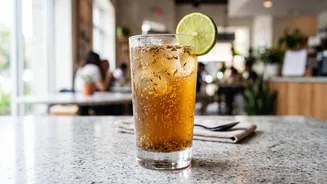
A Sip of Tradition
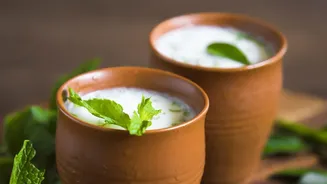
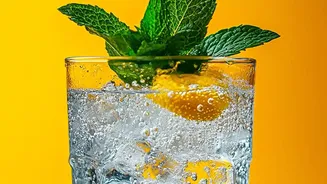
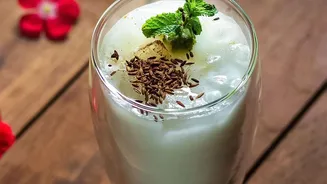
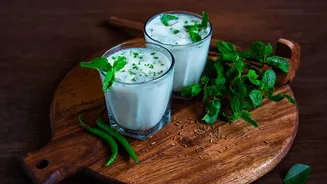
For generations, the drink known as jeera soda, jal-jeera, or shikanji has been a staple in Indian life. Its identity is deeply rooted in being more than just a refreshment; it's a trusted digestive aid, traditionally consumed after a heavy or spicy meal.
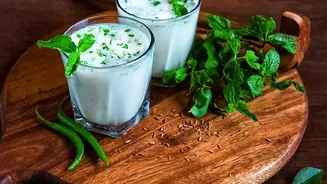
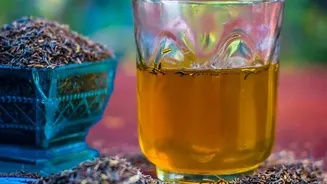
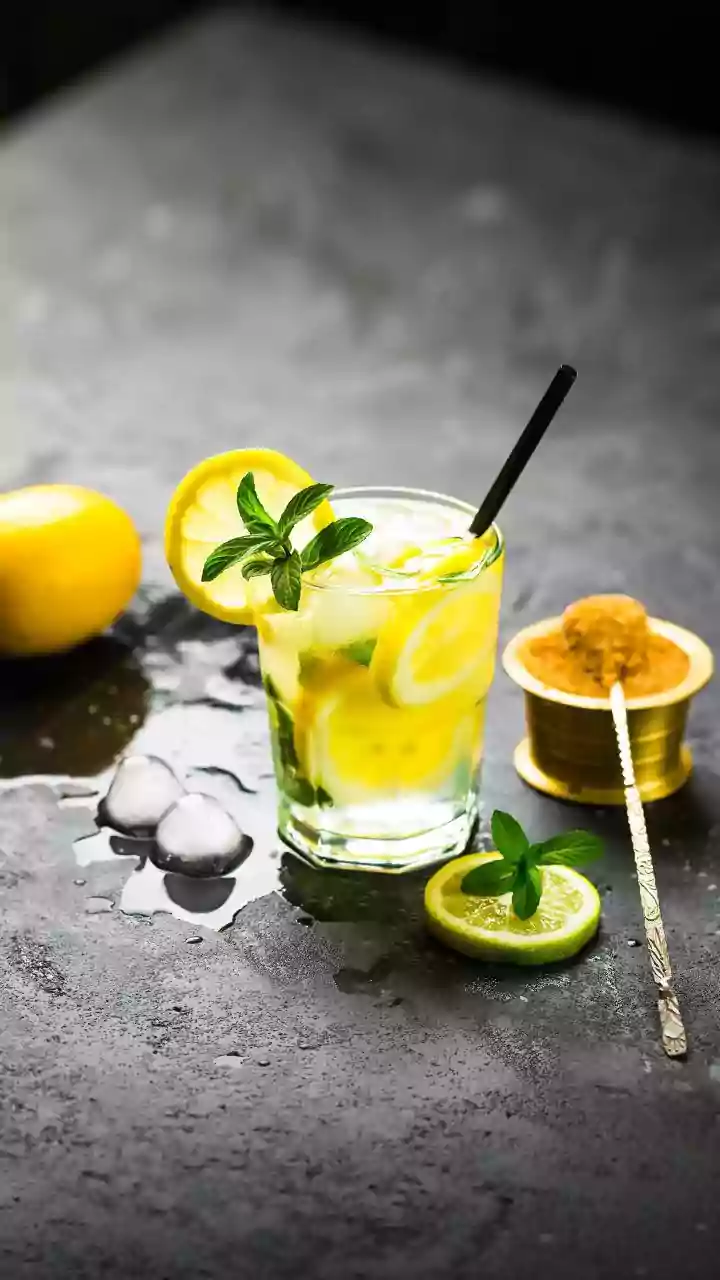
The key ingredient, cumin (jeera), has been a cornerstone of Ayurvedic practices for its ability to stimulate digestion and reduce bloating. Combined with black salt (kala namak), lemon, and other spices, the drink strikes a unique balance of earthy, tangy, and savoury flavours. It was first served fresh at street-side stalls, the perfect companion to a plate of chaat, before finding its way into nearly every home as a go-to remedy and summer cooler.
From Kitchens to Commercial Success
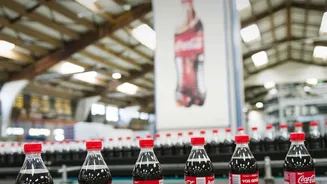
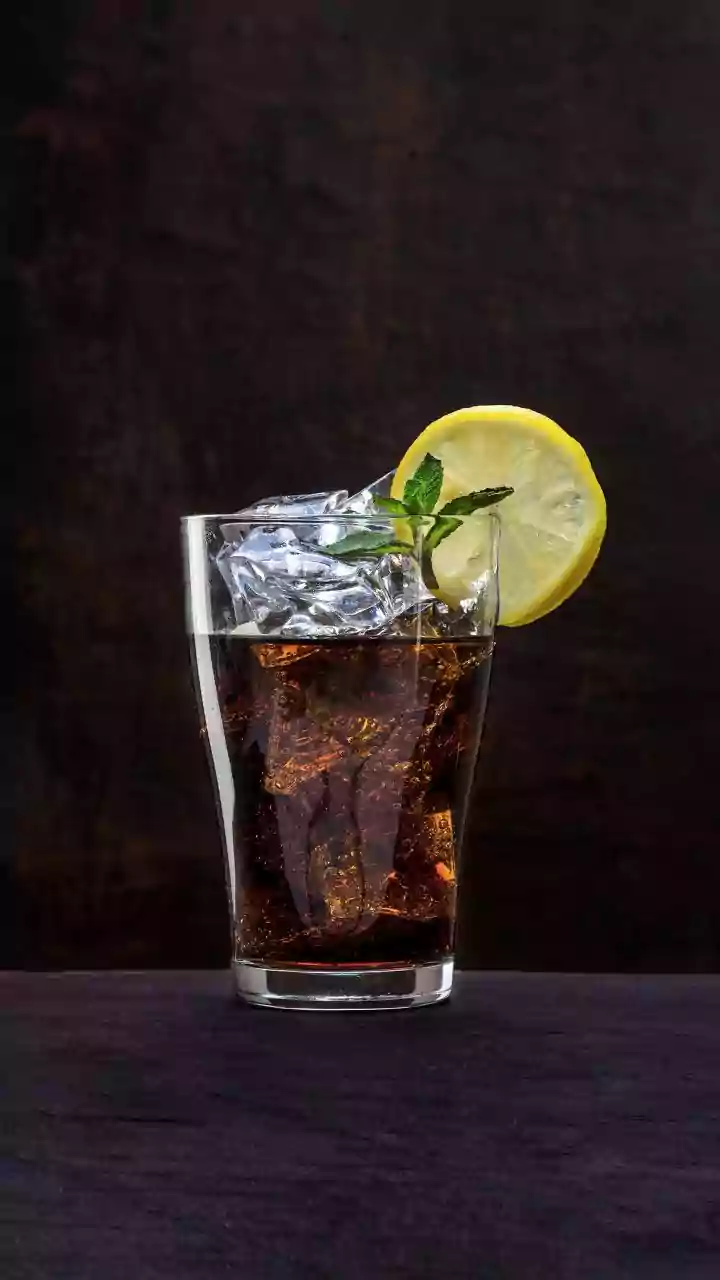
The transition from a freshly made drink to a commercially bottled product began over two decades ago. Brands recognised the potential of packaging this traditional flavour for convenience. While early versions saw modest success, the last few years have marked a significant turning point. A new wave of homegrown brands, like Lahori Zeera, which famously started from a kitchen experiment in 2017, have skyrocketed in popularity. Their success has ignited the category, prompting established players like Parle Agro and even international giants like Coca-Cola to either launch or aggressively market their own jeera soda variants like Dhishoom and Rimzim. Recent reports show these local, ethnic beverages have successfully chipped away at the market dominance of global cola brands, doubling their market share to around 15% as of last year.
The Health-Conscious Consumer
Part of jeera soda's resurgence is timing. Today's consumers are more health-conscious than ever, often looking for alternatives to sugary soft drinks that offer 'empty calories'. Jeera soda fits this demand perfectly, often being positioned as a 'functional' beverage. Its reputation as a digestive aid, combined with a flavour profile that relies more on spice than pure sweetness, makes it an attractive choice. Many brands are also introducing low-sugar or zero-sugar versions to appeal to an even wider audience. This perception as a healthier, more natural alternative is a key driver of its current boom, resonating with a generation seeking refreshment with a purpose.
A Modern Identity in Mixology and Culture
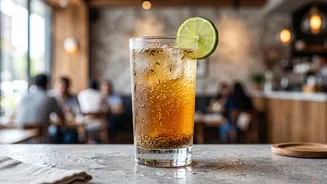
The drink's new chapter isn't just confined to supermarket shelves. It's also finding a sophisticated identity in the world of mixology. Bartenders are now using the complex, savoury notes of jeera soda as a base for innovative cocktails, pairing it with spirits like whiskey to create uniquely Indian highballs. This embrace by modern bar culture signals a shift in perception, elevating jeera soda from a simple street-side drink to a versatile, premium mixer. It reflects a broader trend of 'new-stalgia', where younger Indians are looking to reconnect with authentic, local flavours but in a modern context. It's no longer just about digestion; it's about cultural pride, identity, and a taste that is unapologetically Indian.