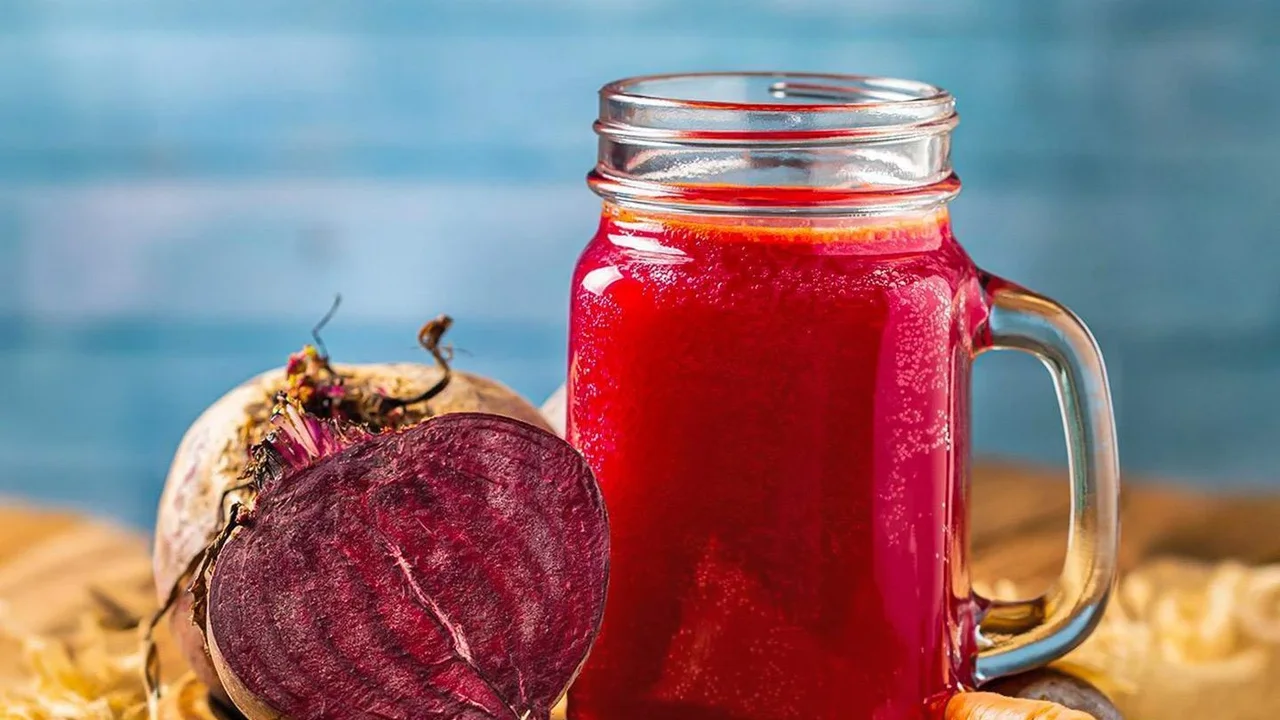







The Power of the Humble Beet
For years, endurance athletes have been drinking beetroot juice to improve their performance. The magic ingredient isn't a vitamin or mineral, but something called dietary nitrate. Found abundantly in beets and green leafy vegetables like spinach and arugula,
nitrate is converted by the body into nitric oxide (NO). This molecule is a hot topic in sports science for its powerful effects on the body's cardiovascular system. Think of nitric oxide as a key that unlocks better blood flow. It’s a vasodilator, meaning it helps relax and widen blood vessels. This allows more oxygen-rich blood to travel to your hard-working muscles, which is crucial during any form of exercise.
Better Oxygen, Better Performance
The primary benefit of this increased nitric oxide availability is a phenomenon known as improved 'exercise economy' or 'oxygen efficiency'. Essentially, your muscles can perform the same amount of work while consuming less oxygen. This makes your body more efficient, delaying the onset of fatigue and allowing you to sustain a higher intensity for longer. Studies have shown that this can reduce the oxygen cost of exercise by a noticeable margin. While this has long been celebrated in endurance sports like long-distance running and cycling, researchers are increasingly looking at how these benefits translate to short, explosive efforts.
Rethinking Dosage for Sprinters
While chugging large amounts of beetroot juice 2-3 hours before a race is a common protocol for endurance athletes, the headline's mention of a "micro-dosing protocol" points to a more nuanced approach. The science around sprinting benefits has been mixed. Some studies show that nitrate supplementation enhances peak power output in short bursts, likely by affecting how quickly and forcefully fast-twitch muscle fibers contract. However, other research, including a very recent 2026 study, found that a single, acute dose did not improve 60m and 100m sprint times in trained athletes. This suggests that the timing, duration, and dosage of supplementation might be critical and need to be tailored to the specific athletic event. The idea of micro-dosing, or using smaller, more consistent amounts over time, aims to maintain elevated nitric oxide levels without requiring large volumes of juice before every session. This could be particularly relevant for sprinters and power athletes whose events last seconds, not hours.
How It Works for Sprints
The mechanism for sprint improvement might be slightly different from endurance benefits. For sprinters, the key may lie in how nitric oxide influences muscle contraction itself. Research suggests that increased NO availability has a preferential effect on Type II muscle fibers—the fast-twitch fibers responsible for powerful, explosive movements like sprinting and jumping. It's believed to improve the muscle's calcium handling, which is vital for rapid and forceful contractions, and may enhance the rate of force development. A recent meta-analysis supports the idea that beetroot can improve performance in short-term, anaerobic exercises by boosting peak power and mean power output. So, while improved oxygen utilization is part of the story, for sprinters, the direct impact on muscle fiber mechanics is just as important.
Is It Right for You?
Before you start adding beetroot concentrate to your daily routine, it's important to understand the context. The benefits of nitrate supplementation appear to be most pronounced in recreationally active individuals rather than highly-trained elite athletes, who may already have high baseline levels of nitric oxide production. Furthermore, results can vary significantly between individuals. Some studies have also noted that benefits are less consistent in female athletes, though this may be due to a lack of specific research that accounts for hormonal cycles. The optimal dosage and timing are still being investigated, but most studies use doses between 6 and 13 mmol of nitrate, taken about 2-3 hours before exercise. It is also worth noting that using antibacterial mouthwash can negate the effects, as oral bacteria are essential for the first step of converting nitrate to nitrite.