

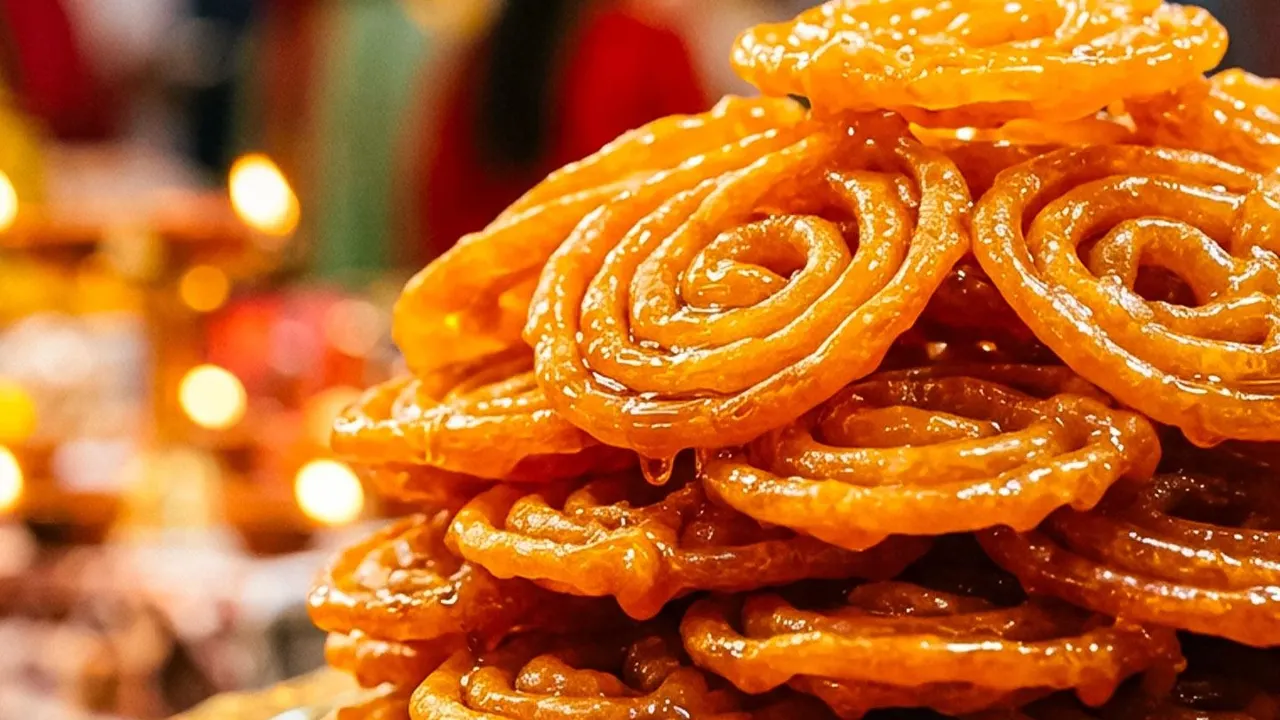

A Symphony of Sweetness
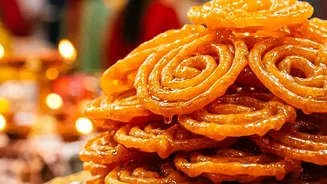
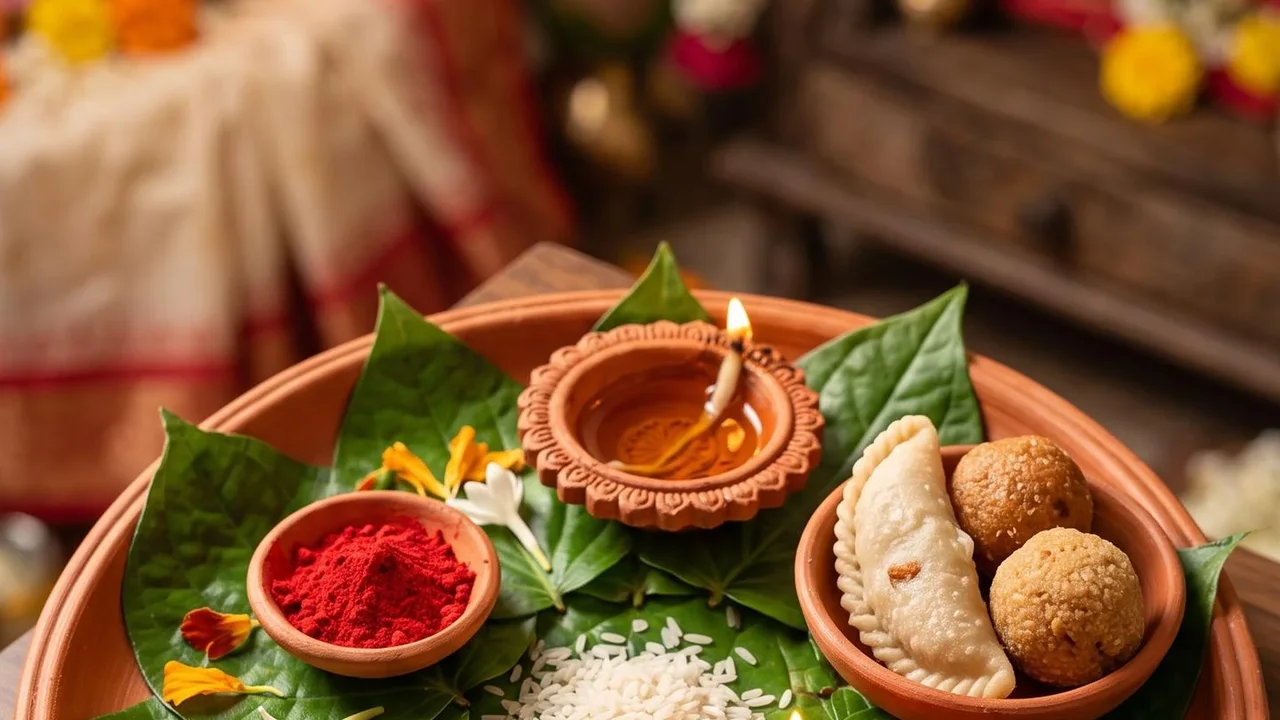
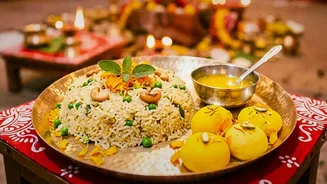
In Bengal, Durga Puja is incomplete without an array of traditional sweets. They are central to the celebration, transitioning seamlessly from 'bhog'—the sacred food offered to the goddess—to a warm gesture of hospitality shared among friends and family.
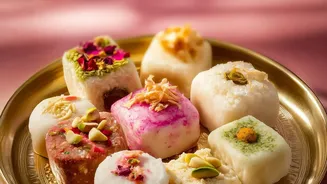
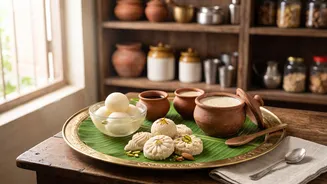
Iconic sweet shops in Kolkata like Balaram Mullick & Radharaman Mullick become hubs of festive activity, their counters laden with everything from the quintessential Rosogolla and Sandesh to the creamy Mishti Doi. But beyond these year-round favourites, Puja brings forth specialities that are deeply woven into the fabric of the festival, each bite carrying stories of devotion and cultural pride. For Bengalis, sweets are an essential medium for expressing joy and celebrating community during these auspicious days.
The Art of the Karigar
At the heart of this tradition are the 'karigars', the skilled artisans who have been perfecting their craft for generations. These sweet makers are guardians of time-honoured methods passed down through families, techniques that define the unique taste and texture of authentic Bengali mishti. The process often begins with the most fundamental ingredient: 'chhana', or fresh cottage cheese, made by curdling milk. The quality of the final sweet—be it a delicate Sandesh or a syrupy Rosogolla—depends entirely on the chhana's texture, which must be kneaded to a perfect smoothness. This expertise, a blend of intuition and practice, is what separates a truly exceptional Bengali sweet from a mass-produced imitation.
Puja's Prized Creations
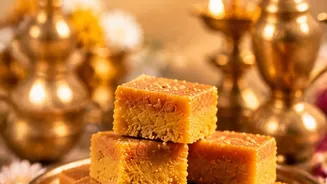
While Sandesh and Rosogolla are mainstays, Durga Puja highlights a wider pantheon of sweets. One of the most cherished homemade delicacies is Narkel Naru, simple yet profoundly symbolic balls made from grated coconut and jaggery. Representing purity and prosperity, these chewy laddoos are a fixture in Puja rituals. Another festive star is the Payesh, Bengal's beloved version of rice kheer, slow-cooked with milk and sweetened with sugar or the prized 'nolen gur' (date palm jaggery). Sweets like Kalakand, a fudgy milk cake, and various 'bhapa' (steamed) sandesh also make a special appearance, each crafted to mark the joyous occasion. These offerings are considered essential for pleasing the goddess, who is believed to have a sweet tooth.
Mastering the Method
The traditional methods are meticulous. For Sandesh, the 'karigar' must cook the kneaded chhana with sugar over a low flame, stirring continuously to prevent it from turning grainy—a process that takes only a few minutes but demands complete attention. The consistency of the sugar syrup, known as 'pak', is another critical skill, determining the final texture of sweets like Rosogolla. For Narkel Naru, coconut is cooked with melted jaggery until the mixture becomes sticky enough to be rolled into balls, a seemingly simple task where timing is everything to avoid a hard or burnt result. These techniques rely on sensory judgment rather than precise measurements, a knowledge that is becoming increasingly rare.
Tradition in a Modern World
Despite the deep cultural reverence, traditional sweet crafters face significant challenges. The rising cost of raw materials, limited market access beyond local neighbourhoods, and competition from modern, mass-produced confectioneries threaten their livelihood. Furthermore, there is a declining interest among the younger generation to take up the demanding, less lucrative profession of a traditional artisan. Many find it difficult to scale their operations or navigate the digital world of e-commerce to reach a wider audience. Yet, the tradition endures, largely because of the cultural significance embedded in these sweets. As long as festivals like Durga Puja are celebrated, the demand for authentic, handcrafted mishti—and the artisans who make them—will remain.